 Preview
 Send
Send Share
Share
 Details

 Download
 Similars
 X-Ray
X-Ray Diaporama
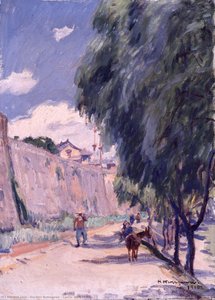
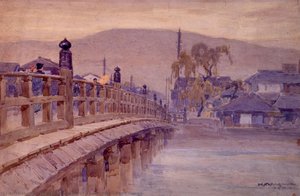
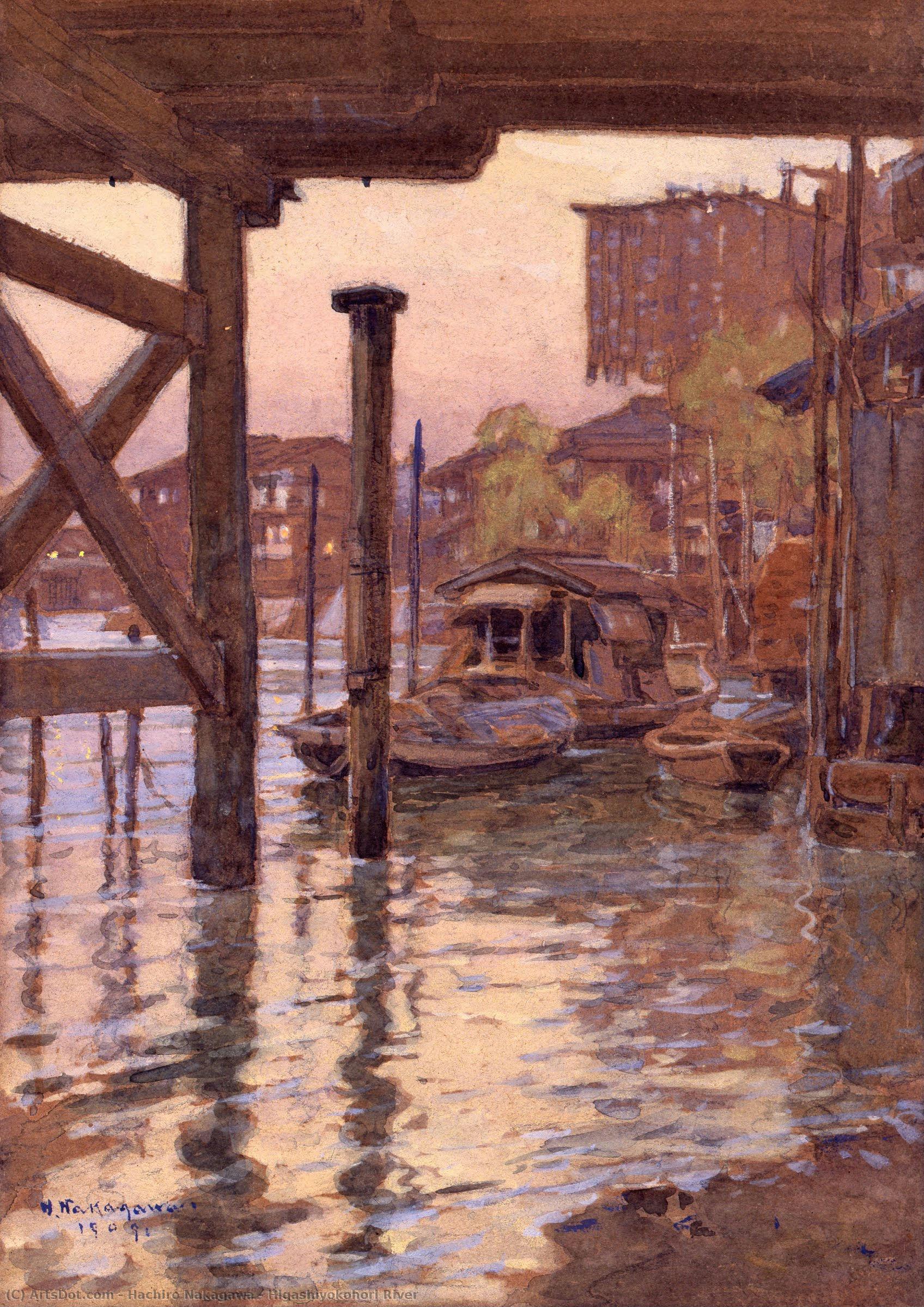
Higashiyokohori River
 1909
1909 45.0 x 33.0 cm
 Read More
Hand Made Oil Reproduction
Hand-painted oil on canvas in your size and frame, made to order by our artists. ( Buy Print Buy Image)




































Pick from our preset sizes that match the artwork's original proportions.

You may enter your own dimensions to fit a specific frame or space. If your selected size does not match the original image's proportions, we will either crop the artwork or extend the painting with additional hand-painted elements. A digital mockup will be sent for your approval before production begins.
Please note that the on-screen preview does not reflect the actual cropping or extension. Only the mockup will accurately show the final composition.
While custom sizes are available, we recommend selecting a dimension from the predefined list to preserve the original proportions.
After order, ArtsDot.com team will email client for instructions and provide a mockup preview
Worldwide Delivery () in 3/4 weeks instead of standard 5 weeks. (21 August). No compromise on quality.

Free Worldwide Express Shipping

High-Quality Linen Canvas

Full Shipping Insurance

Customs Tax Refund Guarantee

True Color Matching Guarantee

60-Day Return Policy (Defects Only)

100% Money-Back Guarantee

Bulk Discount Offer
 Glass option is only available in size under 110 CM

Higashiyokohori River
Reproduction Medium
Reproduction Size
-


Total Price
$ 263
Related Artworks



Artist Biography
Hachiro Nakagawa: Bridging East and West in Landscape Painting
Hachiro Nakagawa (1877 – 1922) stands as a pivotal figure in Japanese landscape painting, representing a fascinating confluence of Western Impressionism and traditional Japanese aesthetics. Born in Nagasaki Prefecture, Nakagawa’s artistic journey began under the tutelage of prominent artists Matsumoto Sangoro and Koyama Shotaro, grounding him in the foundational principles of Japanese art before embarking on a transformative European expedition in 1899. This formative experience profoundly impacted his stylistic sensibilities, propelling him toward mastering Western techniques while retaining an unwavering devotion to capturing the essence of Japan’s serene natural beauty.- Early Influences: Nakagawa's initial training instilled within him a deep appreciation for compositional balance and tonal gradation—characteristics prevalent in Japanese monochrome prints (ukiyo-e). These influences would subtly permeate his later works, demonstrating an enduring connection to the artistic heritage of his homeland.
- European Exploration & Impressionistic Transformation: His travels through Europe exposed Nakagawa to the burgeoning Impressionist movement, spearheaded by artists like Claude Monet and Camille Pissarro. He eagerly absorbed their innovative approaches to color and light, incorporating these techniques into his landscape paintings with remarkable success. This fusion resulted in canvases imbued with vibrant hues and shimmering textures—a deliberate departure from conventional Japanese painting styles.
- The Taiheiyo Gakai & Collaborative Spirit: Nakagawa’s artistic ambitions extended beyond individual creation; he actively participated in the establishment of the Taiheiyo Gakai (Pacific Ocean Society) alongside Maruyama Banka, a collective dedicated to promoting Japanese art and culture internationally. This collaborative endeavor underscores his belief in shared artistic endeavors as catalysts for cultural exchange and advancement.
- Signature Style: Nakagawa’s distinctive style is characterized by meticulous observation of nature combined with masterful execution—traits that define the best examples of his oeuvre. He skillfully blended Impressionistic color palettes with Japanese compositional conventions, producing landscapes that resonate with both Western dynamism and Eastern tranquility.
Notable Landscapes & Artistic Achievements
Nakagawa’s artistic output encompassed a considerable number of paintings depicting iconic Japanese vistas—mountains, rivers, forests, and coastal scenes—each rendered with exceptional detail and sensitivity. Among his most celebrated works are depictions of Mount Fuji, capturing its majestic grandeur under varying atmospheric conditions, and panoramic views of Nara Park, showcasing the lush greenery and blossoming cherry blossoms characteristic of springtime in Japan. His paintings were exhibited extensively throughout Europe during his lifetime, garnering critical acclaim for their artistic merit and conveying a profound appreciation for the beauty of the Japanese landscape.Legacy & Historical Significance
Hachiro Nakagawa’s contribution to Japanese art history is undeniable. He stands as one of the foremost proponents of Western Impressionism within Japan, successfully bridging the gap between Eastern tradition and Western innovation. His paintings continue to inspire artists today, serving as a testament to his artistic vision and enduring legacy—a reminder that beauty can flourish across cultural boundaries when informed by meticulous observation and skillful execution. Nakagawa’s work exemplifies the spirit of experimentation and adaptation that propelled Japanese art into the 20th century, securing its place as an important chapter in the broader narrative of global artistic development.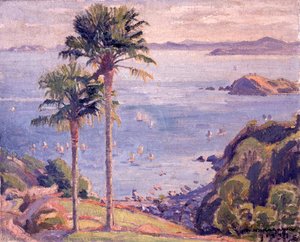
hachiro nakagawa
1877 - 1922 , Japan
Quick Facts
- Artistic Movement Or Style: Western Style Landscape Painting
- Artists Or Movements Influenced By This Artist: ['Utagawa Hiroshige']
- Artists Who Influenced This Artist:
- Matsubara Sangoro
- Koyama Shōtarō
- Date Of Death: 1922
- Full Name: Hachiro Nakagawa
- Nationality: Japanese
- Notable Artworks: ['Landscape']
- Place Of Birth: Japan