 Preview
 Send
Send Share
Share
 Details

 Download
 Similars
 X-Ray
X-Ray Diaporama
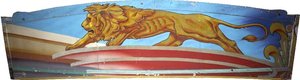
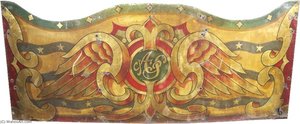
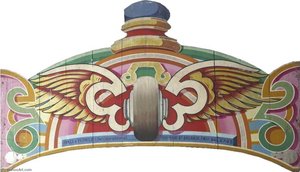
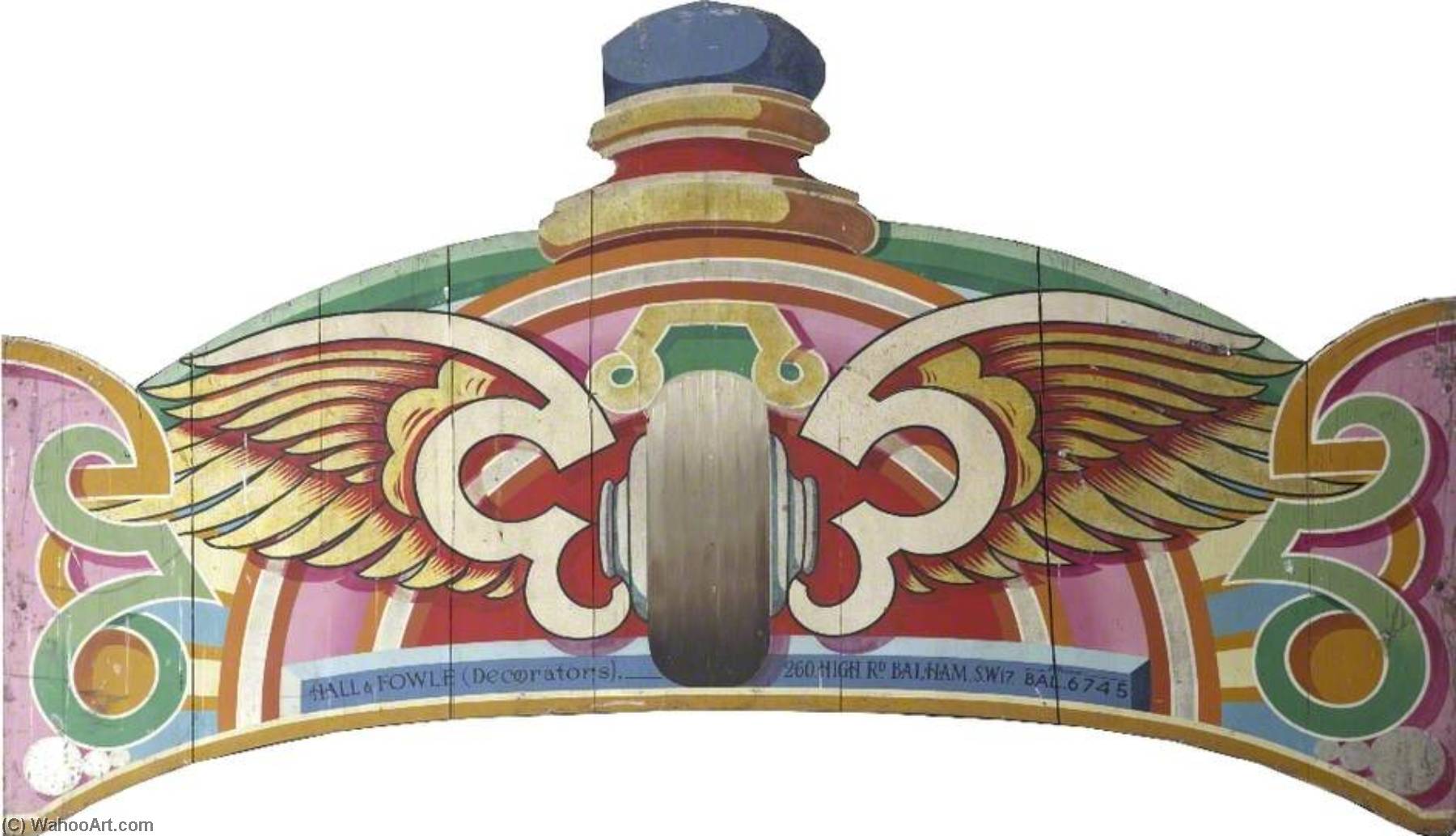
Culine's Dodgems Winged Wheel (rounding board)
 1950
1950 128.0 x 243.0 cm
 The Dingles Fairground Heritage Centre
 Read More
Hand Made Oil Reproduction
Hand-painted oil on canvas in your size and frame, made to order by our artists. ( Buy Print Buy Image)




































Pick from our preset sizes that match the artwork's original proportions.

You may enter your own dimensions to fit a specific frame or space. If your selected size does not match the original image's proportions, we will either crop the artwork or extend the painting with additional hand-painted elements. A digital mockup will be sent for your approval before production begins.
Please note that the on-screen preview does not reflect the actual cropping or extension. Only the mockup will accurately show the final composition.
While custom sizes are available, we recommend selecting a dimension from the predefined list to preserve the original proportions.
After order, ArtsDot.com team will email client for instructions and provide a mockup preview
Worldwide Delivery () in 3/4 weeks instead of standard 5 weeks. (22 August). No compromise on quality.

Free Worldwide Express Shipping

High-Quality Linen Canvas

Full Shipping Insurance

Customs Tax Refund Guarantee

True Color Matching Guarantee

60-Day Return Policy (Defects Only)

100% Money-Back Guarantee

Bulk Discount Offer
 Glass option is only available in size under 110 CM

Culine's Dodgems Winged Wheel (rounding board)
Reproduction Medium
Reproduction Size
-


Total Price
$ 263
Artwork Description
Artistic Style and Technique
The artwork features a large bird with its wings spread out, occupying the majority of the frame. The bird is positioned in the center of the scene, surrounded by various colors that make up the painting. The background appears to be white, providing a clean and contrasting backdrop for the vibrant artwork. This unique piece of art showcases Hall Fowle's skill in capturing the bird's form and movement while creating a visually striking scene.Artist and Museum Information
Hall Fowle is a talented artist known for his captivating paintings, and Culine's Dodgems Winged Wheel (rounding board) is one of his notable works. The painting is part of the collection at the The Dingles Fairground Heritage Centre, a museum dedicated to preserving and promoting the rich history of fairgrounds and their associated artworks. For more information on the artist and the museum, visit Hall Fowle's page on ArtsDot.com or explore the The Dingles Fairground Heritage Centre page.- Other notable artworks include The Room by Balthus (Balthasar Klossowski) and Girl on a Veranda by Tom Anderton.
- These paintings can be found on ArtsDot.com, along with other beautiful handmade oil painting reproductions.
The captivating artwork of Hall Fowle is a must-see for art enthusiasts, and Culine's Dodgems Winged Wheel (rounding board) is a standout piece in his collection. With its unique style and technique, this painting is sure to leave a lasting impression on all who view it.
Related Artworks









Artist Biography
A Curious World of Rounding Boards: The Art of Hall Fowle
Hall Fowle occupies a delightfully unique niche in the history of Victorian amusement and illustration. While not a household name like many of his contemporaries, Fowle’s legacy resides in the charmingly eccentric world of rounding boards – intricately designed game surfaces used primarily with Dodgem cars (bumper cars) and other fairground attractions. These weren't merely functional pieces; they were miniature works of art, brimming with narrative detail, vibrant color, and a distinctly playful spirit. Born into an era captivated by spectacle and burgeoning industrial innovation, Fowle’s work reflects both the excitement and the moral complexities of his time. Though biographical details remain scarce, the surviving examples of his rounding boards offer a compelling glimpse into the mind of an artist who found beauty and opportunity in the ephemeral realm of public entertainment. His creations weren't intended for gallery walls but for the fleeting enjoyment of fairgoers, yet they possess a lasting appeal that continues to captivate collectors and art enthusiasts today.The Rise of Victorian Amusement & The Rounding Board
To understand Fowle’s work, one must first appreciate the context in which it flourished. The Victorian era witnessed an explosion in popular entertainment. From music halls and traveling circuses to seaside piers and pleasure gardens, opportunities for leisure were expanding rapidly, particularly amongst the growing middle class. This period also saw significant advancements in mechanical engineering, leading to the development of increasingly sophisticated fairground rides. Dodgem cars, first appearing at the turn of the 20th century, quickly became a sensation. However, simply bumping into each other wasn’t enough; an element of scoring and competition was desired. Enter the rounding board. These circular or oval boards were placed in the center of the Dodgem arena, featuring numbered spaces, whimsical illustrations, and often, elaborate rules for play. Fowle emerged as a key figure in designing these boards, transforming them from simple game aids into captivating visual experiences. He wasn’t just an illustrator; he was a storyteller, a designer, and a keen observer of Victorian life.Fowle's Distinctive Style & Recurring Themes
Hall Fowle’s style is immediately recognizable. Characterized by its meticulous detail, vibrant color palette (often employing lithographic techniques for mass production), and playful subject matter, his rounding boards are a testament to Victorian illustration at its finest. He frequently depicted scenes of everyday life – bustling marketplaces, seaside resorts, sporting events – but always with a touch of whimsy and exaggeration. Animals often feature prominently, rendered with anthropomorphic qualities and engaging in human activities. Recurring themes include morality tales subtly woven into the game’s design, cautionary narratives about gambling or excessive indulgence alongside more lighthearted depictions of leisure and entertainment. The boards weren't simply aesthetically pleasing; they were designed to engage players on multiple levels, offering a visual feast while simultaneously encouraging strategic thinking and perhaps even imparting a gentle moral lesson. His work also demonstrates a strong understanding of composition and color theory, ensuring that each board is visually balanced and appealing.Techniques & Production: Bringing the Boards to Life
While Fowle undoubtedly conceived the designs for his rounding boards, their production involved a collaborative process. The initial artwork was likely created using watercolor or gouache, then transferred to lithographic stones for mass printing. This allowed for relatively inexpensive reproduction, making the boards accessible to fairground operators across the country.- The use of lithography enabled Fowle to achieve a remarkable level of detail and color saturation.
- Boards were often varnished or lacquered to protect them from wear and tear.
- Some boards incorporated additional elements, such as raised lettering or metallic accents.