 Preview
 Send
Send Share
Share
 Details

 Download
 Similars
 X-Ray
X-Ray Diaporama
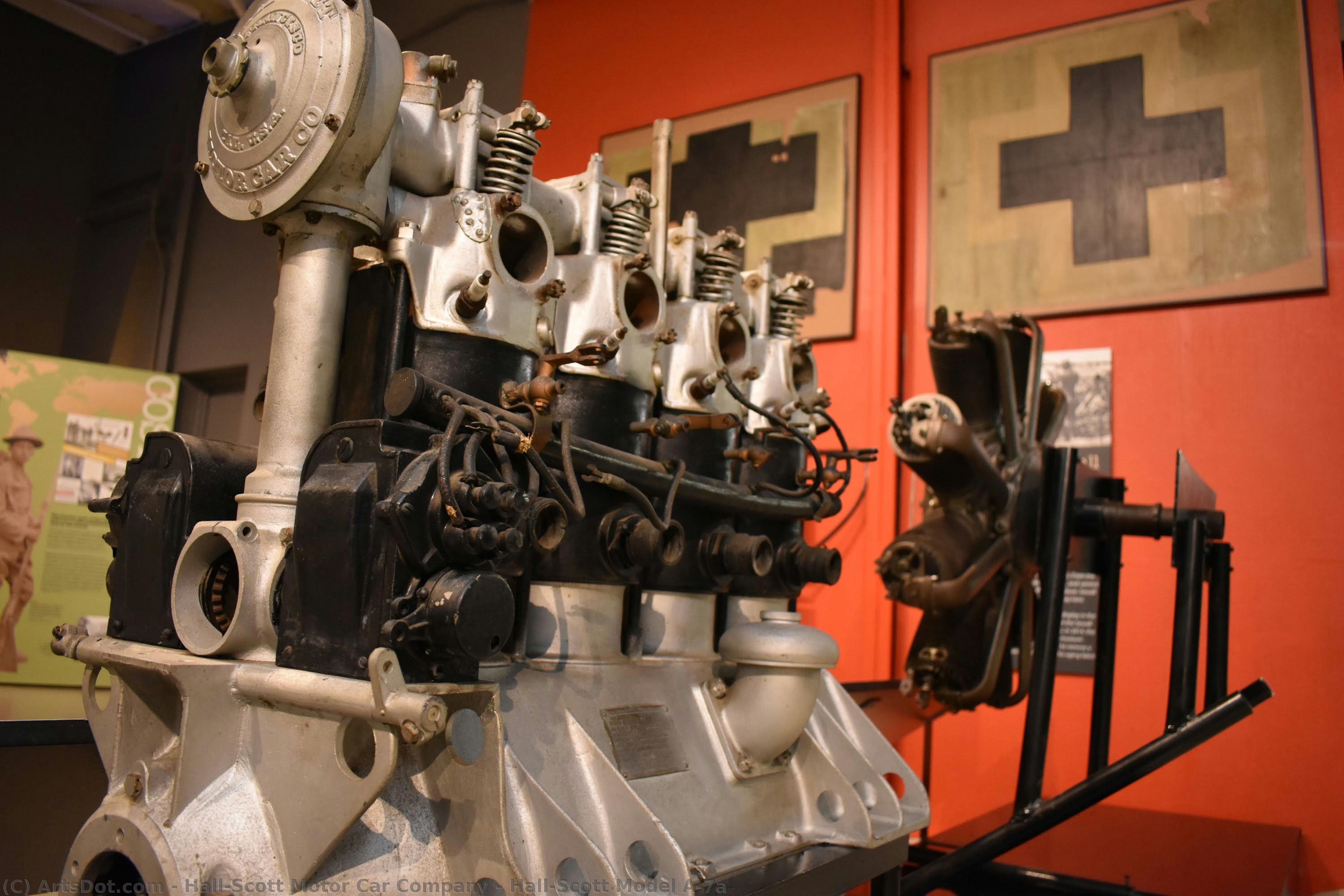
Hall-Scott Model A-7a


 Read More
Hand Made Oil Reproduction
Hand-painted oil on canvas in your size and frame, made to order by our artists. ( Buy Print Buy Image)




































Pick from our preset sizes that match the artwork's original proportions.

You may enter your own dimensions to fit a specific frame or space. If your selected size does not match the original image's proportions, we will either crop the artwork or extend the painting with additional hand-painted elements. A digital mockup will be sent for your approval before production begins.
Please note that the on-screen preview does not reflect the actual cropping or extension. Only the mockup will accurately show the final composition.
While custom sizes are available, we recommend selecting a dimension from the predefined list to preserve the original proportions.
After order, ArtsDot.com team will email client for instructions and provide a mockup preview
Worldwide Delivery () in 3/4 weeks instead of standard 5 weeks. (28 August). No compromise on quality.

Free Worldwide Express Shipping

High-Quality Linen Canvas

Full Shipping Insurance

Customs Tax Refund Guarantee

True Color Matching Guarantee

60-Day Return Policy (Defects Only)

100% Money-Back Guarantee

Bulk Discount Offer
 Glass option is only available in size under 110 CM

Hall-Scott Model A-7a
Reproduction Medium
Reproduction Size
-


Total Price
$ 263
Related Artworks










Artist Biography
The Pioneering Spirit of Hall-Scott Motor Car Company
The Hall-Scott Motor Car Company, though relatively short-lived in the automotive world, represents a fascinating intersection of engineering prowess and early 20th-century ambition. Emerging from the fertile ground of California’s burgeoning industrial landscape, the company wasn't born of a singular vision for automobile creation but rather as an outgrowth of a successful engine manufacturing business. Founded by Charles Hall and Howard Scott, the firm initially specialized in lightweight gasoline engines—engines that quickly gained prominence powering aircraft during World War I. This expertise in aviation propulsion would prove pivotal in shaping their foray into automotive design, setting them apart from many contemporaries focused solely on ground transportation. The transition wasn't a sudden one; it was a logical extension of their capabilities, fueled by the post-war demand for luxury and performance vehicles.From Aviation Engines to Automotive Innovation
Following the armistice in 1918, Hall-Scott found itself with significant manufacturing capacity and a wealth of engineering talent. Rather than solely relying on continued military contracts, they turned their attention towards the civilian market, specifically high-end automobiles. The company’s first offering, introduced in 1920, was a remarkable machine—a six-cylinder vehicle distinguished by its innovative engine design. This wasn't simply an adaptation of existing technology; Hall-Scott engineers developed a unique, underslung chassis and a sophisticated valve arrangement that delivered exceptional smoothness and power for the time. The engine itself was a masterpiece of precision engineering, boasting a distinctive “flathead” configuration and a reputation for reliability. The cars were meticulously crafted, featuring luxurious interiors and elegant styling—a clear attempt to compete with established marques like Cadillac and Packard. However, the Hall-Scott automobile wasn’t merely about opulence; it embodied a commitment to technical excellence that resonated with discerning drivers who appreciated sophisticated machinery.A Brief but Brilliant Run
Despite its technological merits, the Hall-Scott Motor Car Company faced considerable challenges in establishing itself within the competitive automotive industry. Production was limited, and distribution networks were underdeveloped compared to larger manufacturers. The company’s focus on high quality and intricate engineering also translated into a higher price point, restricting its appeal to a relatively small segment of the market. The economic downturn following World War I further exacerbated these difficulties. While the cars themselves garnered praise from automotive journalists and enthusiasts—often lauded for their performance and refinement—sales remained modest. Production continued for only a few years, ceasing in 1923. The company then returned to its core business of engine manufacturing, continuing to supply engines for various applications, including marine vessels and aircraft.Legacy and Historical Significance
Although the Hall-Scott automobile enjoyed a brief existence, its impact on automotive history should not be underestimated. The company demonstrated a remarkable ability to adapt and innovate, successfully transitioning from aviation engine production to high-end car manufacturing. Their commitment to engineering excellence—particularly their unique engine design and underslung chassis—represented a significant advancement in automotive technology.- Technical Prowess: Hall-Scott’s engines were highly regarded for their smoothness, power, and reliability.
- Innovative Design: The underslung chassis provided superior handling and ride comfort compared to conventional designs of the era.
- Luxury Craftsmanship: The cars featured meticulously crafted interiors and elegant styling, appealing to a discerning clientele.