 Preview
 Send
Send Share
Share
 Details

 Download
 Similars
 X-Ray
X-Ray Diaporama
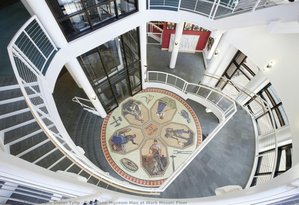
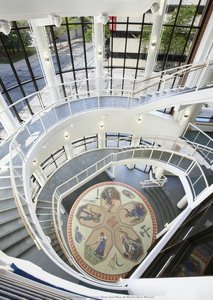
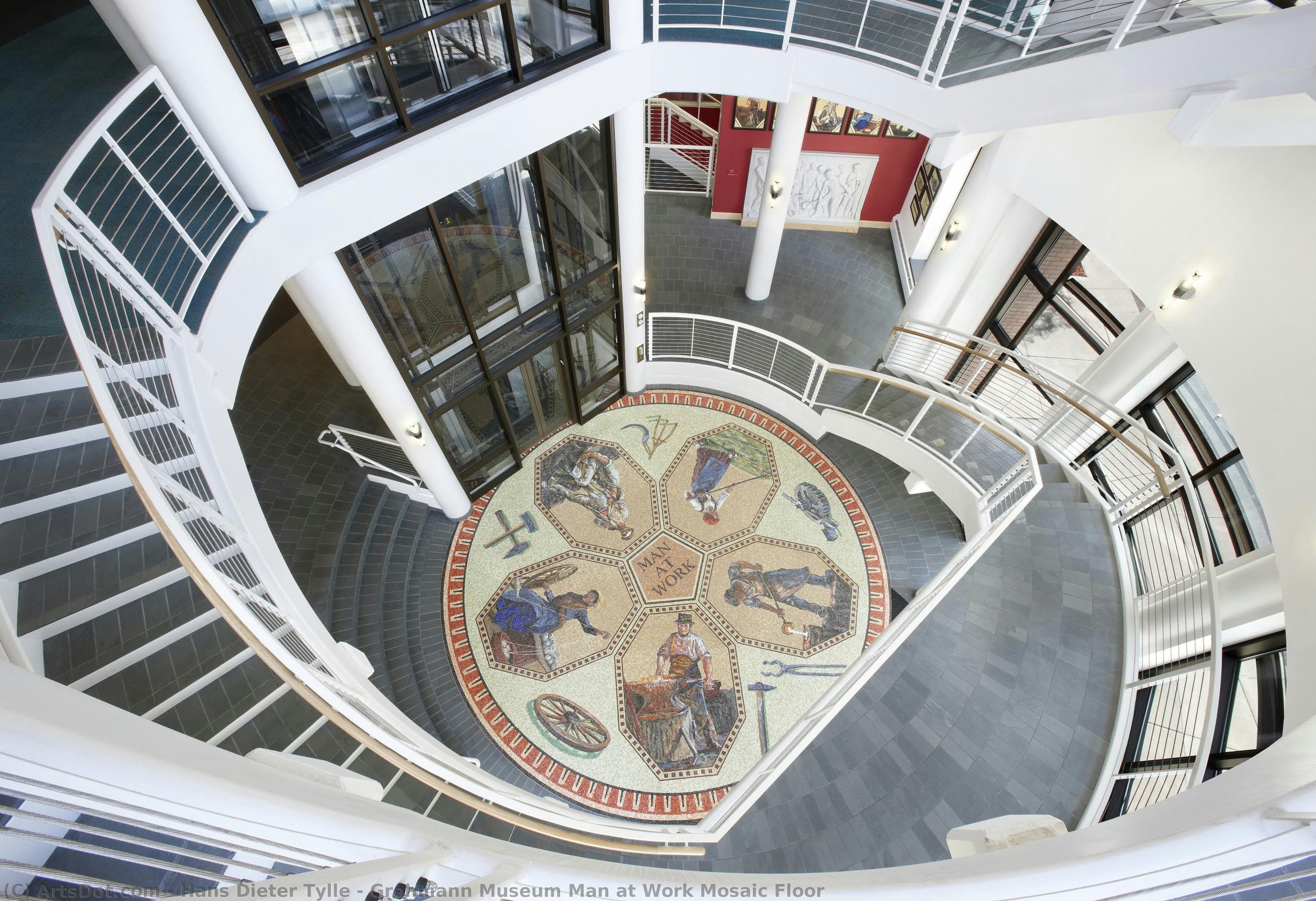
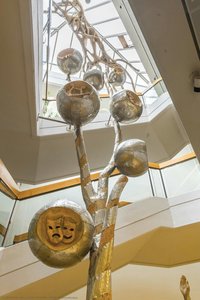
Grohmann Museum Man at Work Mosaic Floor


 Read More
Hand Made Oil Reproduction
Hand-painted oil on canvas in your size and frame, made to order by our artists. ( Buy Print Buy Image)




































Pick from our preset sizes that match the artwork's original proportions.

You may enter your own dimensions to fit a specific frame or space. If your selected size does not match the original image's proportions, we will either crop the artwork or extend the painting with additional hand-painted elements. A digital mockup will be sent for your approval before production begins.
Please note that the on-screen preview does not reflect the actual cropping or extension. Only the mockup will accurately show the final composition.
While custom sizes are available, we recommend selecting a dimension from the predefined list to preserve the original proportions.
After order, ArtsDot.com team will email client for instructions and provide a mockup preview
Worldwide Delivery () in 3/4 weeks instead of standard 5 weeks. (22 August). No compromise on quality.

Free Worldwide Express Shipping

High-Quality Linen Canvas

Full Shipping Insurance

Customs Tax Refund Guarantee

True Color Matching Guarantee

60-Day Return Policy (Defects Only)

100% Money-Back Guarantee

Bulk Discount Offer
 Glass option is only available in size under 110 CM

Grohmann Museum Man at Work Mosaic Floor
Reproduction Medium
Reproduction Size
-


Total Price
$ 313
Related Artworks




Artist Biography
Early Life and Artistic Foundations
Hans Dieter Tylle, a German visual artist born on March 24, 1954, in the historic city of Bayreuth, Bavaria, embarked on his artistic journey rooted in a deep appreciation for observation and the tangible world. His formative years were spent absorbing the cultural richness of his surroundings before pursuing formal training at the Kunsthochschule Kassel from 1975 to 1980. This period proved pivotal, laying the groundwork for Tylle’s distinctive style—a meticulous realism tempered by a profound sensitivity to light and atmosphere. However, it wasn't solely within the walls of the academy that his artistic vision took shape; crucial to his development were extended periods of *plein air* painting across France, Spain, Italy, and Scotland. These travels weren’t merely about capturing picturesque landscapes but honing the skill of direct observation, learning to translate fleeting moments and nuanced details onto canvas with accuracy and immediacy.The World of Work as Subject
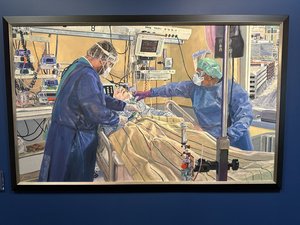
Tylle's artistic focus crystallized around a compelling subject: the world of work. Unlike many artists who romanticize or idealize labor, Tylle approached it with an unblinking eye, documenting the realities of industrial life with remarkable honesty and detail. He began by creating small-format oil studies directly on location within factories and plants—often under challenging conditions. These sketches weren’t intended as finished works but rather as essential preparatory material for larger studio paintings. This methodical approach allowed him to capture not just the physical appearance of these environments, but also their atmosphere, energy, and the human presence within them. The workers themselves frequently served as models, lending an authenticity and dignity to his portrayals that set his work apart. He wasn’t simply painting *about* work; he was painting *with* it, incorporating the experiences and realities of those who lived it into the very fabric of his art.Recognition and Artistic Development
The early 1980s marked a period of significant recognition for Tylle. In 1982, he achieved first prize in the prestigious competition “Die Arbeitswelt in der Bildenden Kunst” (The Working World in the Visual Arts) in Karlsruhe—a testament to his unique perspective and technical skill. This award propelled him into the art world spotlight, solidifying his reputation as a rising talent. Throughout the late 1980s and 1990s, Tylle continued to refine his technique and expand his artistic repertoire. He participated in international *plein air* events, such as the one in Eisleben, East Germany, in 1987, further broadening his horizons and engaging with diverse artistic communities. In 1990, he became involved in the founding of the German Artists' Association, serving as its deputy chairman from 1996 to 1998—a role that underscored his commitment to fostering a vibrant art scene.Influences and Legacy
While Tylle’s style is distinctly his own, echoes of artistic traditions resonate within his work. He acknowledges an affinity for the *Flemish Primitives*, particularly artists like Hans Memling, whose meticulous attention to detail and realistic depictions of everyday life served as a source of inspiration. However, Tylle doesn't simply replicate these historical styles; he adapts them to his contemporary subject matter, creating a unique blend of old-world technique and modern sensibility. His paintings are not merely representations of industrial scenes but also meditations on labor, human dignity, and the changing landscape of work in the late 20th and early 21st centuries. The Grohmann Museum’s retrospective exhibition celebrating his 70th birthday—featuring over twenty years of his artistic exploration of American work life—stands as a powerful testament to his enduring legacy. His commitment to on-site research, coupled with his masterful oil painting technique, ensures that his works will continue to resonate with audiences for generations to come.Major Achievements and Historical Significance
- Documenting a Vanishing World: Tylle’s most significant achievement lies in his meticulous documentation of the world of work—a realm often overlooked or romanticized by artists. His paintings serve as valuable historical records, capturing the realities of industrial life before it undergoes further transformation.
- Humanizing Labor: Unlike many depictions of labor that focus on abstract concepts or political statements, Tylle’s works prioritize the human element. He portrays workers with dignity and respect, acknowledging their contributions and experiences.
- Technical Mastery: His skillful use of oil painting techniques—particularly his *plein air* studies and large-format studio paintings—demonstrates a remarkable command of light, color, and composition.
- Bridging Tradition and Modernity: Tylle’s work successfully blends historical artistic traditions with contemporary subject matter, creating a unique and compelling aesthetic.
- The American Work Life Series: The extensive series of paintings documenting work life in the U.S.A., showcased at the Grohmann Museum, represents a culmination of his artistic vision and a significant contribution to the field of contemporary realism.
hans dieter tylle
1954 - , Germany
Quick Facts
- Artistic Focus: Work and landscapes
- Artistic Movement Or Style: Realistic painting
- Artists Who Influenced This Artist:
- Flemish Primitives
- Memling
- Date Of Birth: March 24, 1954
- Full Name: Hans Dieter Tylle
- Nationality: German
- Notable Artworks:
- Man at Work Mosaic Floor
- Atrium View & Man at Work
- Place Of Birth: Bayreuth, Germany