 Preview
 Send
Send Share
Share
 Details

 Download
 Similars
 X-Ray
X-Ray Diaporama
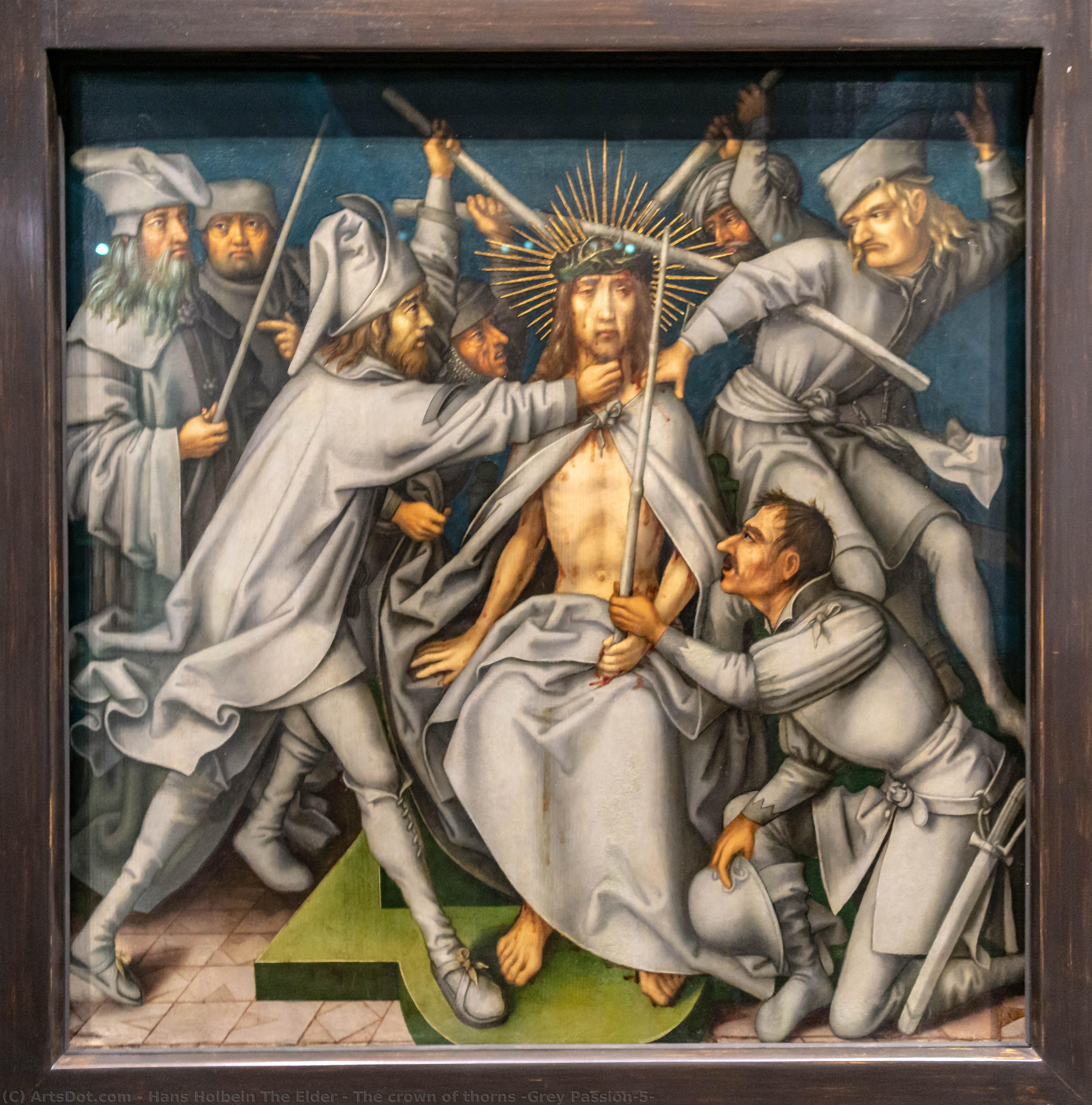
The crown of thorns (Grey Passion-5)


 Read More
Purchase a high-resolution, enhanced digital image, far superior to the online preview.
Each file is meticulously prepared by our in-house specialists using advanced tools and expert manual retouching. We ensure every image has exceptional clarity, precise color accuracy, and fine detail.
The final file is delivered via email within 72 hours, optimized for immediate use in professional, editorial, and print environments. This is the same quality trusted by top-tier design studios, publishers, and galleries.
Digital Image
Download a high-resolution file for personal display, printing, and creative projects. ( Buy Print Buy Hand Made Painting)
Included in Every Digital Image Order
Expert Digital Delivery, Guaranteed
When you choose ArtsDot.com, you're not just getting an image - you're receiving a professionally enhanced digital artwork, crafted with precision and backed by a satisfaction guarantee. Here's everything that comes with your order, automatically:

Fast Email Delivery
Your high-resolution digital image file will be emailed to you within 72 hours of ordering - ready for immediate use.

AI-Enhanced Digital File
Your artwork is professionally optimized using advanced AI tools and manual editing, ensuring maximum detail, clarity, and color accuracy.

Free Lifetime Re-Delivery
Accidentally deleted or lost your file? No worries - we'll resend it to you anytime, free of charge.

No Import Fees - Ever
Enjoy your artwork instantly with zero customs, duties, or delivery fees - digital downloads are always tax-free.

Color Accuracy Guarantee
We ensure your digital image reflects the original colors as closely as possible using professional tools and color management.

60-Day Satisfaction Guarantee
If you're not satisfied with your digital image, we'll revise it or refund 100% within 60 days - no questions asked.

100% Money-Back Guarantee
Not satisfied? Get a full refund within 60 days of receiving your digital file - no questions asked.

Bulk Order Discounts
Buy 3 images, save 10% - Buy 5, save 15% - Buy 10+, save 20%. Great for creative projects, galleries, and agencies.
Related Artworks


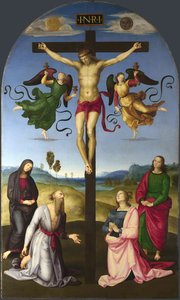



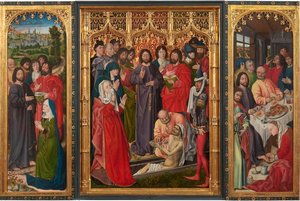
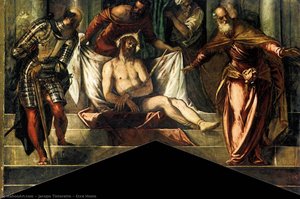
Artist Biography
The Master of Northern Renaissance Portraiture: Hans Holbein the Elder
Hans Holbein the Elder, a name synonymous with meticulous detail and profound psychological insight, stands as one of the most important figures in the transition from late Gothic to High Renaissance art. Born in Augsburg, Germany, around 1465 – though precise dates remain elusive – he flourished during a period of immense artistic change, bridging the gap between the religious fervor of the medieval world and the burgeoning humanism of the Renaissance. His early life is somewhat shrouded in mystery; however, it’s known that he received his initial training within the workshop of his father, Hans Holbein the Younger (not to be confused with his more famous son), a respected painter and graphic artist. This familial foundation instilled in him a deep appreciation for precise draftsmanship and an early mastery of techniques like tempera and oil painting. Augsburg itself was a vibrant artistic center, fostering a climate where innovation thrived alongside established traditions. Holbein’s initial works reflect this environment – detailed altarpieces and devotional panels characterized by intricate ornamentation and a distinctly Northern European sensibility. He quickly gained recognition for his ability to render textures with astonishing realism, from the delicate folds of fabric to the sheen of polished metal.A Journey Through Germany: Basel and Beyond
Holbein’s career took him on a journey through several important German cities, each leaving its mark on his artistic development. He worked in Ulm, Cologne, and eventually settled in Basel in 1516. This period proved pivotal. Basel was a hotbed of humanist thought, attracting scholars, printers, and artists alike. Holbein’s style began to evolve, influenced by the Italian Renaissance masters whose works were circulating through the city via prints and visiting artists. While he continued to produce religious paintings, his focus increasingly shifted towards portraiture – a genre that allowed him to explore the complexities of human character with unprecedented depth. He became highly sought after by Basel’s elite, capturing their likenesses in portraits that were not merely representations but psychological studies. His use of color became more sophisticated, and he began experimenting with new compositional techniques, often placing his subjects against neutral backgrounds to emphasize their individuality. This period also saw Holbein delve into woodcut book illustration, notably for the *Dance of Death* series, a powerful meditation on mortality that showcased his graphic skills and social commentary. The *Dance of Death*, with its stark imagery and allegorical figures, cemented his reputation as an artist capable of addressing profound philosophical themes.The English Court and Artistic Triumph
In 1526, Holbein embarked on his first journey to England, a trip that would dramatically alter the course of his career. He initially sought patronage from Sir Thomas More, a prominent humanist scholar and statesman. This connection led to commissions from other members of the English court, including Henry VIII and various nobles. Holbein’s portraits of the Tudor elite are arguably his most famous works – masterpieces of realism, diplomacy, and psychological insight. He possessed an uncanny ability to capture not only the physical likeness of his subjects but also their personalities, ambitions, and social standing. His portrait of Henry VIII, for example, is a powerful statement of royal authority, conveying the king’s imposing presence and unwavering power. Holbein's technique in England involved layering thin glazes of oil paint over meticulously prepared panels, creating surfaces that shimmered with life-like detail. He also became adept at incorporating symbolic elements into his portraits, subtly communicating messages about his subjects’ status and beliefs. His success at the English court led to a period of relative prosperity and artistic freedom.Legacy and Enduring Influence
Hans Holbein the Elder died in Augsburg in 1543, leaving behind a legacy that continues to inspire artists today. While his son, Hans Holbein the Younger, achieved even greater fame, the elder Holbein’s contributions were foundational to the development of Northern Renaissance portraiture and graphic art. His meticulous technique, psychological depth, and ability to capture the complexities of human character set him apart from his contemporaries. His influence can be seen in the works of later artists, including Rembrandt and Van Dyck, who admired his mastery of light and shadow and his ability to convey personality through portraiture. The Dance of Death series remains a powerful testament to his graphic skills and social commentary. Furthermore, Holbein’s portraits of the Tudor elite provide invaluable insights into the personalities and power dynamics of 16th-century England. He wasn't simply a painter; he was a chronicler of an era, capturing its spirit in brushstrokes and woodcuts.- Masterful realism and attention to detail.
- Pioneering psychological insight in portraiture.
- Significant contributions to book illustration with the *Dance of Death* series.
- Bridging the gap between Gothic and Renaissance artistic styles.