

 Send
Send Share
Share
 Details

 Download
 Similars
 Diaporama
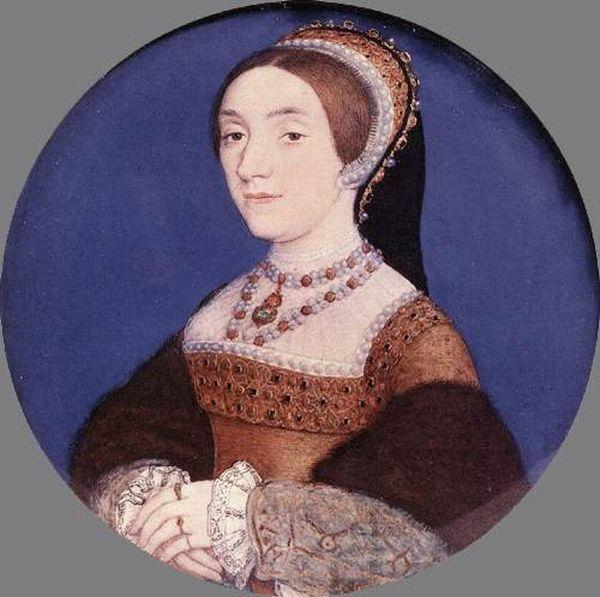
Portrait of an Unknown Lady


 Read More
Purchase a high-resolution, enhanced digital image, far superior to the online preview.
Each file is meticulously prepared by our in-house specialists using advanced tools and expert manual retouching. We ensure every image has exceptional clarity, precise color accuracy, and fine detail.
The final file is delivered via email within 72 hours, optimized for immediate use in professional, editorial, and print environments. This is the same quality trusted by top-tier design studios, publishers, and galleries.
Digital Image
Download a high-resolution file for personal display, printing, and creative projects. ( Buy Print Buy Hand Made Painting)
Included in Every Digital Image Order
Expert Digital Delivery, Guaranteed
When you choose ArtsDot.com, you're not just getting an image - you're receiving a professionally enhanced digital artwork, crafted with precision and backed by a satisfaction guarantee. Here's everything that comes with your order, automatically:

Fast Email Delivery
Your high-resolution digital image file will be emailed to you within 72 hours of ordering - ready for immediate use.

AI-Enhanced Digital File
Your artwork is professionally optimized using advanced AI tools and manual editing, ensuring maximum detail, clarity, and color accuracy.

Free Lifetime Re-Delivery
Accidentally deleted or lost your file? No worries - we'll resend it to you anytime, free of charge.

No Import Fees - Ever
Enjoy your artwork instantly with zero customs, duties, or delivery fees - digital downloads are always tax-free.

Color Accuracy Guarantee
We ensure your digital image reflects the original colors as closely as possible using professional tools and color management.

60-Day Satisfaction Guarantee
If you're not satisfied with your digital image, we'll revise it or refund 100% within 60 days - no questions asked.

100% Money-Back Guarantee
Not satisfied? Get a full refund within 60 days of receiving your digital file - no questions asked.

Bulk Order Discounts
Buy 3 images, save 10% - Buy 5, save 15% - Buy 10+, save 20%. Great for creative projects, galleries, and agencies.
Collectible Description
A Glimpse into Tudor Society: Portrait of an Unknown Lady
This captivating portrait by Hans Holbein the Younger, painted in 1541, offers a remarkable window into the world of the Tudor court. The subject, an unidentified woman, is rendered with such exquisite detail and psychological depth that she feels remarkably present even centuries later. Housed within the prestigious Toledo Museum of Art, this painting stands as a testament to Holbein’s mastery of Northern Renaissance portraiture.Holbein's Artistic Signature: Realism & Refinement
Hans Holbein the Younger (1497-1543) was a pivotal figure in art history, renowned for his ability to capture not just likeness but *character*. Trained initially by his father, he honed a style characterized by meticulous realism, vibrant color palettes, and an almost photographic attention to detail. He seamlessly blended German precision with influences from Italian Renaissance artistry, creating a unique aesthetic that captivated European royalty – most notably Henry VIII. This portrait exemplifies these qualities; the delicate rendering of lace, jewels, and fabric demonstrates his technical brilliance.Decoding the Portrait: Style & Technique
The painting is executed in oil on panel, a common support for portraits during this period. Holbein’s technique involved building up layers of translucent glazes to achieve luminosity and depth. Notice how light subtly plays across the subject's face and clothing, creating a sense of volume and life. The composition itself is classic: a three-quarter pose that allows for both a clear view of the sitter’s features and an elegant display of her attire. The dark background serves to accentuate the figure, drawing the viewer’s eye directly to her serene expression.A Woman of Status: Costume & Symbolism
The subject's clothing is indicative of high social standing. The elaborate gown, adorned with jewels and fine fabrics, speaks to wealth and status. Her pearl necklace and ruby brooch weren’t merely decorative; pearls symbolized purity and virginity, while rubies represented passion and vitality – potentially hinting at her marital status or aspirations. While the identity remains a mystery, the quality of her garments suggests she was likely a member of the nobility or closely associated with the court.Historical Context: The Tudor Court
Painted during the reign of Henry VIII, this portrait reflects the political and social upheaval of the era. The English Reformation was in full swing, and the court was a hotbed of intrigue and ambition. Holbein served as a key artistic chronicler of this period, immortalizing many of its prominent figures. This painting, though depicting an unknown woman, provides valuable insight into the fashions, values, and aesthetic sensibilities of Tudor society.Emotional Resonance: A Moment Frozen in Time
Beyond its technical brilliance and historical significance, this portrait possesses a profound emotional impact. The sitter’s direct gaze is both captivating and enigmatic. Her expression is thoughtful, perhaps even melancholic, inviting viewers to contemplate her story and inner life. It's a testament to Holbein’s skill that he could imbue a painted image with such psychological depth and enduring power.Owning a Piece of History
- Experience the timeless beauty of Renaissance art in your home or office.
- Our meticulously crafted reproductions capture every nuance of Holbein’s original masterpiece.
- Handmade with high-quality oil paints and durable materials for lasting enjoyment.
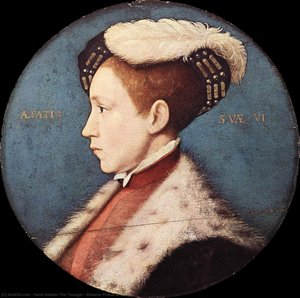
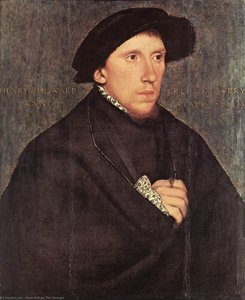
- Explore our collection, including other works by Hans Holbein the Younger, such as portraits of Catherine Howard and Henry VIII.
Related Artworks
Artist Biography
A Life Etched in Detail: The World of Hans Holbein the Younger
Born around 1497 in the vibrant artistic hub of Augsburg, Germany, Hans Holbein the Younger emerged as a defining figure of the Northern Renaissance—a master portraitist whose work continues to resonate with breathtaking realism and psychological depth. His upbringing within an artistically gifted family laid the foundation for his exceptional talent; his father, Hans Holbein the Elder, was a respected painter and printmaker who instilled in young Hans a meticulous approach to observation and technique. This early training wasn’t merely about mastering brushstrokes or mixing pigments—it was about learning to *see*, to capture not just likeness but the very essence of a subject. Holbein's initial artistic explorations occurred within his father’s workshop, where he honed his skills before embarking on a journey that would lead him through Switzerland and ultimately to the heart of the English court.From Basel to the Tudor Court: A Rising Star
After completing his apprenticeship, Holbein traveled extensively throughout Switzerland, establishing himself as an independent artist with a growing reputation. He spent several formative years in Basel, creating not only striking portraits but also religious works and intricate woodcut designs—most notably the haunting series depicting the *Dance of Death*. These early pieces reveal a burgeoning mastery of composition and a developing fascination with capturing the complexities of human emotion. It was in 1526 that fate intervened, drawing Holbein towards England, an event that would irrevocably alter his artistic trajectory. He arrived bearing a letter of introduction from Erasmus, the renowned humanist scholar, which opened doors to the influential circles of English society. His talent quickly captivated prominent figures like Sir Thomas More, who became both a patron and a subject for several compelling portraits. This connection proved pivotal, leading to Holbein’s appointment as a court painter to King Henry VIII in 1536—a position he held, with some interruptions, until his untimely death in 1543.The Art of Perception: Style and Masterpieces
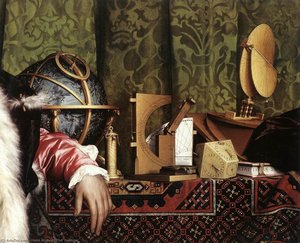
Holbein's artistic style is characterized by an extraordinary commitment to realism, achieved through painstaking attention to detail in rendering textures, fabrics, and the subtle nuances of facial features. He didn’t simply *paint* portraits; he meticulously constructed them, layer upon layer, capturing not just physical appearances but also the personality and inner life of his sitters. His innovative compositions further enhanced the impact of his work, often employing symbolic objects or backgrounds to convey deeper meaning. The Ambassadors (1533) stands as a testament to this approach—a complex and symbolically rich double portrait showcasing both Holbein’s technical brilliance and intellectual depth. The anamorphic skull subtly embedded within the painting serves as a stark *memento mori*, reminding viewers of the inevitability of death. His numerous portraits of Henry VIII established a lasting image of Tudor power, while his depiction of Erasmus of Rotterdam captures the scholar's profound intellectual gravitas. Other notable works include the stunning *Portrait of Nikolaus Kratzer* (1528), a masterpiece of realism and scientific detail.Legacy and Influence: A Lasting Impression
Holbein’s artistic journey was shaped by a confluence of influences, blending the precision of German artistic traditions with the compositional principles of the Italian Renaissance. He admired the work of Albrecht Dürer and other German masters while also studying Italian art during his travels, absorbing their techniques and incorporating them into his own unique style. His legacy is profound; Holbein’s portraits set a new standard for realism and psychological insight in portraiture, influencing generations of artists who followed. His depictions of key figures during the Tudor period provide invaluable insights into the lives and personalities of those who shaped English history. He didn't merely record appearances—he captured moments in time, preserving them for posterity. His work serves as a powerful testament to the enduring power of art to document, interpret, and illuminate the past.A Final Brushstroke: Historical Significance
Hans Holbein the Younger died in London in 1543, leaving behind a body of work that continues to captivate audiences centuries later. His portraits are more than just beautiful images; they are historical documents, offering glimpses into the political intrigues, religious upheavals, and cultural shifts of the Tudor era.- His depictions of Henry VIII became iconic representations of royal power.
- His portraiture provides a window into the lives of prominent humanists like Erasmus and More.
- His innovative use of symbolism adds layers of meaning to his work, inviting viewers to contemplate deeper themes.
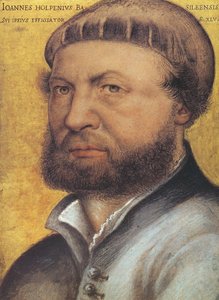
Hans Holbein the Younger
1497 - 1543 , Italy
Quick Facts
- Artistic Movement Or Style: Northern Renaissance
- Artists Or Movements Influenced By This Artist: ['Later portrait artists']
- Artists Who Influenced This Artist: ['Albrecht Dürer']
- Date Of Birth: 1497
- Date Of Death: 1543
- Full Name: Hans Holbein the Younger
- Nationality: German-Swiss
- Notable Artworks:
- The Ambassadors
- Portrait of Henry VIII
- Portrait of Erasmus
- Nikolaus Kratzer
- Place Of Birth: Augsburg, Germany

