

 Preview
 Send
Send Share
Share
 Details

 Download
 Similars
 X-Ray
X-Ray Diaporama
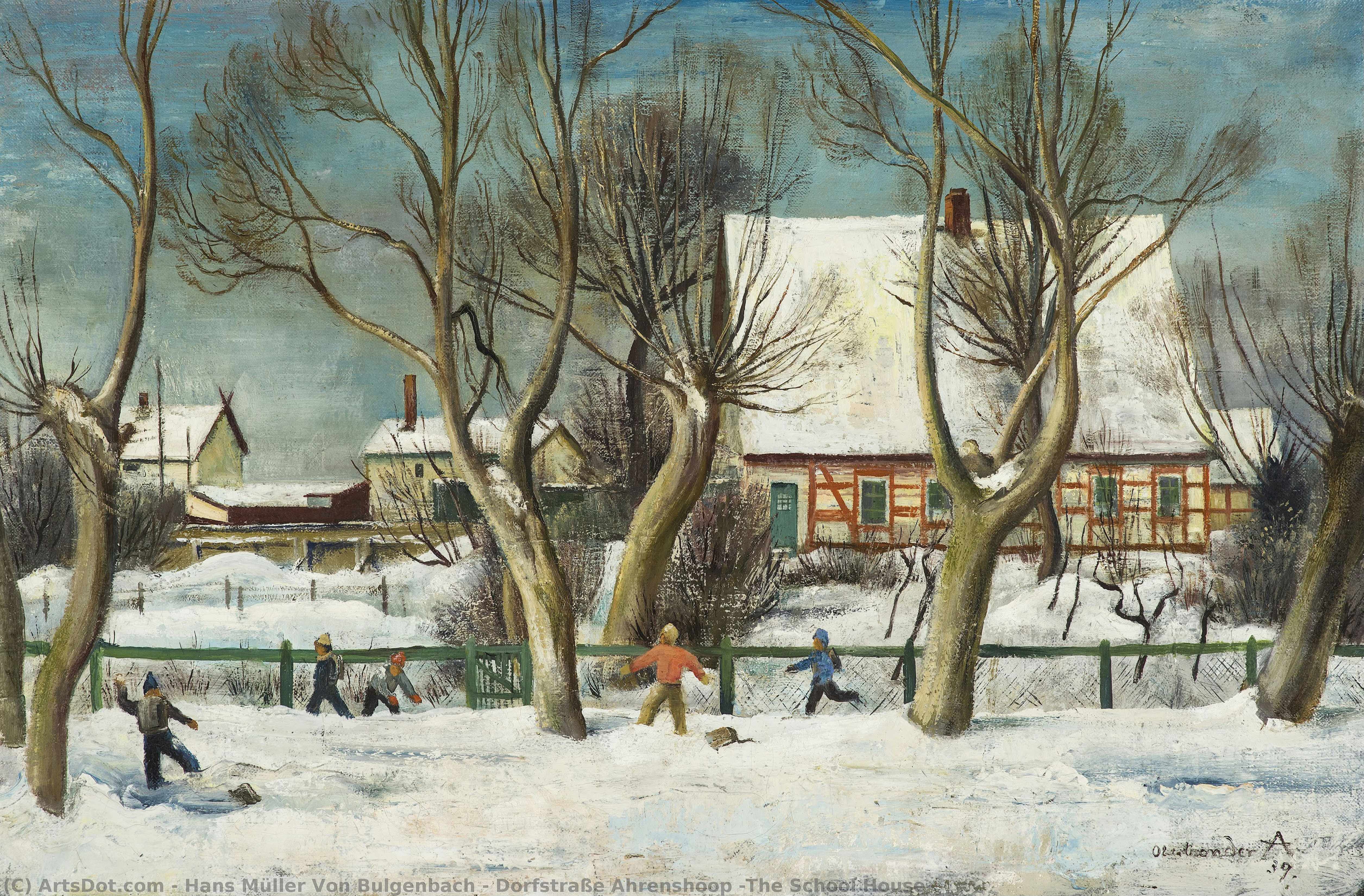
Dorfstraße Ahrenshoop (The School House)


 Read More
Purchase a high-resolution, enhanced digital image, far superior to the online preview.
Each file is meticulously prepared by our in-house specialists using advanced tools and expert manual retouching. We ensure every image has exceptional clarity, precise color accuracy, and fine detail.
The final file is delivered via email within 72 hours, optimized for immediate use in professional, editorial, and print environments. This is the same quality trusted by top-tier design studios, publishers, and galleries.
Digital Image
Download a high-resolution file for personal display, printing, and creative projects. ( Buy Print Buy Hand Made Painting)
Included in Every Digital Image Order
Expert Digital Delivery, Guaranteed
When you choose ArtsDot.com, you're not just getting an image - you're receiving a professionally enhanced digital artwork, crafted with precision and backed by a satisfaction guarantee. Here's everything that comes with your order, automatically:

Fast Email Delivery
Your high-resolution digital image file will be emailed to you within 72 hours of ordering - ready for immediate use.

AI-Enhanced Digital File
Your artwork is professionally optimized using advanced AI tools and manual editing, ensuring maximum detail, clarity, and color accuracy.

Free Lifetime Re-Delivery
Accidentally deleted or lost your file? No worries - we'll resend it to you anytime, free of charge.

No Import Fees - Ever
Enjoy your artwork instantly with zero customs, duties, or delivery fees - digital downloads are always tax-free.

Color Accuracy Guarantee
We ensure your digital image reflects the original colors as closely as possible using professional tools and color management.

60-Day Satisfaction Guarantee
If you're not satisfied with your digital image, we'll revise it or refund 100% within 60 days - no questions asked.

100% Money-Back Guarantee
Not satisfied? Get a full refund within 60 days of receiving your digital file - no questions asked.

Bulk Order Discounts
Buy 3 images, save 10% - Buy 5, save 15% - Buy 10+, save 20%. Great for creative projects, galleries, and agencies.
Collectible Description
Related Artworks









Artist Biography
Hans Müller von Bulgenbach: A Peasant’s Brush, a Chronicle of Rebellion
The name Hans Müller von Bulgenbach might not be instantly familiar to art enthusiasts accustomed to the grand narratives of Renaissance masters or Romantic landscapes. Yet, within the stark realism of his paintings and etchings lies a profound historical significance – a visual record of one of Germany’s most tumultuous periods: the German Peasants' War of 1524-1526. Born around 1490 in Bulgenbach, a small village nestled near the Black Forest lake, Müller’s life was inextricably linked to the struggles of his fellow peasants against the rising power of the nobility and the burgeoning influence of Protestant reformers. His story is not one of courtly patronage or artistic innovation; it's a testament to the courage and resilience of ordinary people caught in the crosshairs of societal upheaval, rendered with remarkable clarity on canvas and paper.
Müller’s early life remains somewhat shrouded in mystery. He initially served as a soldier in the French army, gaining military experience that would later prove invaluable during the Peasants' War. This period instilled in him a sense of discipline and strategic thinking – qualities he skillfully applied to organizing peasant bands throughout southwestern Germany. His involvement began with the uprising at Stuhlingen in 1524, quickly escalating into a leadership role as he rallied disparate communities under his banner. Unlike many artists who thrived within established artistic circles, Müller’s training appears to have been largely self-taught, honed through observation and practical experience. This lack of formal instruction is arguably what lends his work its raw authenticity – it feels less like polished artistry and more like a direct transcription of the realities he witnessed.
The Art of Rebellion: Style and Subject Matter
Müller’s artistic style is characterized by an unflinching realism, a deliberate rejection of idealized beauty in favor of depicting the harsh conditions and everyday lives of his subjects. His paintings rarely showcase heroic figures or dramatic landscapes; instead, they focus on scenes of rural labor, poverty, and social unrest. His compositions are often tightly framed, emphasizing the individuals within them – a water carrier struggling under a heavy load, peasants toiling in fields, or families huddled together for warmth. The color palettes are muted and earthy, reflecting the somber mood of the era and the limited resources available to the peasantry.
A particularly striking example is “Water Carrier,” a work that captures the physical strain and relentless toil of peasant life with poignant detail. The figure’s weathered face, calloused hands, and bowed posture speak volumes about his arduous existence. Similarly, "Dorfstraße Ahrenshoop (The School House)" offers a glimpse into the limited opportunities available to children in rural communities – a stark contrast to the privileged lives of the nobility. These aren't romanticized depictions; they are honest portrayals of a society grappling with profound inequality and social injustice.
Müller’s etchings, particularly those depicting scenes from the Klettgau revolt, provide invaluable visual documentation of the conflict. The stark lines and dramatic contrasts effectively convey the chaos and violence of battle, while also capturing the faces of ordinary men – many of whom met a brutal end during the uprising. His ability to translate complex events into simple, powerful images is a testament to his artistic skill and his deep understanding of the human condition.
A Tragic End: Capture and Execution
Müller’s leadership role in the Peasants' War ultimately led to his capture at Klettgau in July 1525. Despite attempts to negotiate his release, he was imprisoned in the Hohentwiel fortress, subjected to torture, and eventually executed on August 12th of that year. His death marked a significant blow to the peasant movement, but also served as a chilling reminder of the ruthlessness with which the authorities suppressed dissent.
Despite his untimely demise, Müller’s legacy endures not only through his artwork but also as a symbol of resistance against oppression. His paintings and etchings offer a rare and powerful glimpse into a pivotal moment in German history – a time when ordinary people rose up to challenge the established order. His work serves as a potent reminder of the importance of social justice, equality, and the enduring spirit of rebellion.
Historical Context and Legacy
The German Peasants' War was fueled by a complex interplay of factors: economic hardship, religious anxieties, and growing resentment towards feudal lords. The rise of Martin Luther’s Reformation further exacerbated tensions, as peasants sought to exploit religious grievances to justify their demands for greater rights and freedoms. Müller’s involvement in the uprising reflects this broader context – he wasn't simply a local rebel; he was part of a larger movement seeking to transform German society.
While Müller’s artistic output is relatively limited, his work has had a lasting impact on art historians and scholars. His paintings provide invaluable insights into the lives of peasants during the 16th century, while also offering a unique perspective on the social and political turmoil of the era. His legacy as a visual chronicler of rebellion continues to resonate today, reminding us of the power of art to document history and challenge injustice.
Explore further works by Hans Müller von Bulgenbach at ArtsDot.
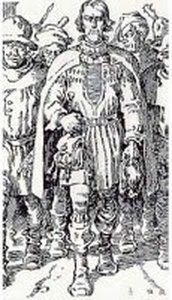
hans müller von bulgenbach
1525 , Germany
Quick Facts
- Artistic Movement Or Style: Peasant Art Germany
- Date Of Birth: c. 1490-1495
- Date Of Death: 1525
- Full Name: Hans Müller von Bulgenbach
- Nationality: German
- Notable Artworks:
- Water Carrier
- Dorfstraße Ahrenshoop
- Place Of Birth: Bulgenbach, Germany

