

 Preview
 Send
Send Share
Share
 Details

 Download
 Similars
 X-Ray
X-Ray Diaporama
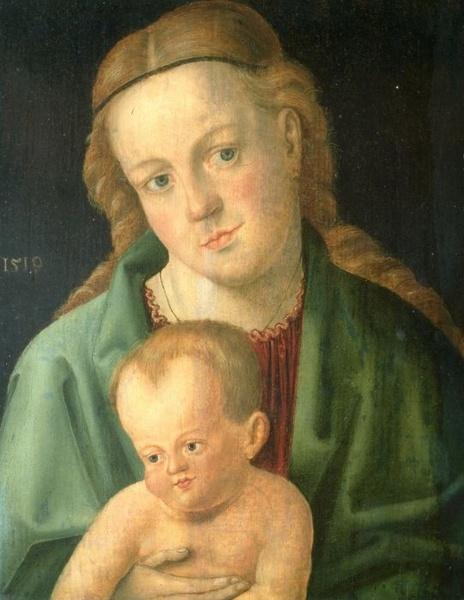
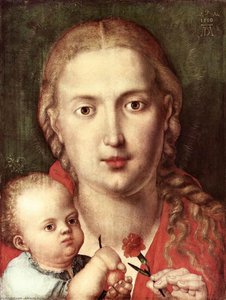
Madonna and Child
 1519
1519 34.0 x 30.0 cm
 Read More
Purchase a high-resolution, enhanced digital image, far superior to the online preview.
Each file is meticulously prepared by our in-house specialists using advanced tools and expert manual retouching. We ensure every image has exceptional clarity, precise color accuracy, and fine detail.
The final file is delivered via email within 72 hours, optimized for immediate use in professional, editorial, and print environments. This is the same quality trusted by top-tier design studios, publishers, and galleries.
Digital Image
Download a high-resolution file for personal display, printing, and creative projects. ( Buy Print Buy Hand Made Painting)
Included in Every Digital Image Order
Expert Digital Delivery, Guaranteed
When you choose ArtsDot.com, you're not just getting an image - you're receiving a professionally enhanced digital artwork, crafted with precision and backed by a satisfaction guarantee. Here's everything that comes with your order, automatically:

Fast Email Delivery
Your high-resolution digital image file will be emailed to you within 72 hours of ordering - ready for immediate use.

AI-Enhanced Digital File
Your artwork is professionally optimized using advanced AI tools and manual editing, ensuring maximum detail, clarity, and color accuracy.

Free Lifetime Re-Delivery
Accidentally deleted or lost your file? No worries - we'll resend it to you anytime, free of charge.

No Import Fees - Ever
Enjoy your artwork instantly with zero customs, duties, or delivery fees - digital downloads are always tax-free.

Color Accuracy Guarantee
We ensure your digital image reflects the original colors as closely as possible using professional tools and color management.

60-Day Satisfaction Guarantee
If you're not satisfied with your digital image, we'll revise it or refund 100% within 60 days - no questions asked.

100% Money-Back Guarantee
Not satisfied? Get a full refund within 60 days of receiving your digital file - no questions asked.

Bulk Order Discounts
Buy 3 images, save 10% - Buy 5, save 15% - Buy 10+, save 20%. Great for creative projects, galleries, and agencies.
Related Artworks


Artist Biography
Hans von Kulmbach: A Master of Stained Glass and Altarpiece Decoration
Hans von Kulmbach (c. 1480 – December 3, 1522) stands as a pivotal figure in German Renaissance art, primarily recognized for his breathtaking stained glass windows and monumental altar paintings that adorn churches across Bavaria and Kraków. Born around 1480 in Kulmbach, Franconia—a region steeped in medieval tradition yet embracing the burgeoning humanist spirit of the era—Kulmbach’s artistic journey unfolded against a backdrop of significant cultural transformation. His formative years were spent honing his craft under the tutelage of Albrecht Dürer, arguably Germany's most celebrated artist of the time, an association that profoundly shaped his stylistic sensibilities and technical prowess. This apprenticeship instilled in him a meticulous attention to detail and a masterful command of perspective—elements characteristic of Dürer’s groundbreaking achievements.- Early Influences: Kulmbach's artistic vision was undeniably influenced by the prevailing aesthetic trends of the Renaissance, particularly those championed by artists like Filippo Brunelleschi and Piero della Francesca. These masters emphasized geometric precision and idealized proportions, concepts that resonated deeply within Kulmbach’s creative process.
- Training Under Dürer: The collaboration with Dürer proved invaluable, extending beyond mere instruction in painting techniques. Dürer imparted a profound understanding of artistic philosophy—a belief in the power of art to elevate the human spirit and convey moral truths—which would permeate Kulmbach’s subsequent works.
- The Nürnberg Workshop: Around 1505, Kulmbach established his workshop in Nuremberg, attracting talented assistants and fostering a vibrant artistic environment. This period witnessed a prolific output of commissions, cementing his reputation as one of the foremost artists of his generation.
Notable Achievements: Stained Glass Windows – A Legacy of Light and Color
Kulmbach’s fame rests largely upon his extraordinary stained glass windows—a testament to his unparalleled skill in manipulating color and light. He achieved particular renown for the Maximilian Stained Glass at St. Sebald Cathedral in Nuremberg, a monumental undertaking that showcased his mastery of compositional design and chromatic harmony. Similarly impressive were the Welser Stained Glass at St. Lorenz Church and the Nikolaus Altar at St. Lorenz Kirche—each window depicting biblical narratives with exquisite detail and vibrant hues. These windows weren’t merely decorative; they served as conduits for spiritual contemplation, transforming the interior spaces of churches into immersive experiences of divine beauty.- The Maximilian Stained Glass: This ambitious project involved painstaking planning and execution, reflecting Kulmbach's dedication to artistic excellence.
- St Lorenz Windows: The Welser Stained Glass at St Lorenz Church exemplifies Kulmbach’s ability to create impactful visual narratives.
The Kraków Altarpiece – A Collaborative Triumph
Perhaps Kulmbach's most celebrated achievement was the Kraków Altarpiece, a collaborative effort undertaken alongside Johann Georg Andreas Stein—a pioneering piano maker who brought his expertise in craftsmanship to bear on the project. This monumental artwork, housed in St. Catherine’s Church in Kraków, represents a pinnacle of Renaissance art and embodies the spirit of humanist patronage. The altarpiece's intricate iconography—featuring depictions of Saint Catherine and Saint John—demonstrates Kulmbach’s meticulous attention to detail and his ability to convey profound theological themes. Stein’s contribution ensured that the altar was not only aesthetically stunning but also structurally sound, a remarkable feat considering the scale of the undertaking.Legacy and Historical Significance
Hans von Kulmbach died prematurely in Nuremberg in 1522, leaving behind an enduring legacy as one of Germany’s most influential artists of the Renaissance. His stylistic innovations—particularly his masterful use of stained glass and altar painting—established him as a leader among his contemporaries and continue to inspire admiration today. More importantly, Kulmbach's work embodies the humanist ideals that characterized the era—a belief in human reason and artistic creativity as instruments for spiritual enrichment. He remains an exemplar of artistic excellence and a symbol of Nuremberg’s cultural heritage.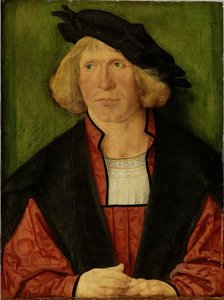
hans süss von kulmbach
1480 - 1522 , Germany
Quick Facts
- Artistic Movement Or Style: Renaissance Art
- Artists Or Movements Influenced By This Artist: German Renaissance Art
- Artists Who Influenced This Artist: Albrecht Dürer
- Date Of Birth: Around 1480
- Full Name: Hans Süß von Kulmbach
- Nationality: German
- Notable Artworks:
- St John's Altar (Kraków)
- Maximilian Stained Glass
- Margrave Stained Glass
- Nikolaus Altar
- Place Of Birth: Kulmbach, Germany

