

 Preview
 Send
Send Share
Share
 Details

 Download
 Similars
 X-Ray
X-Ray Diaporama
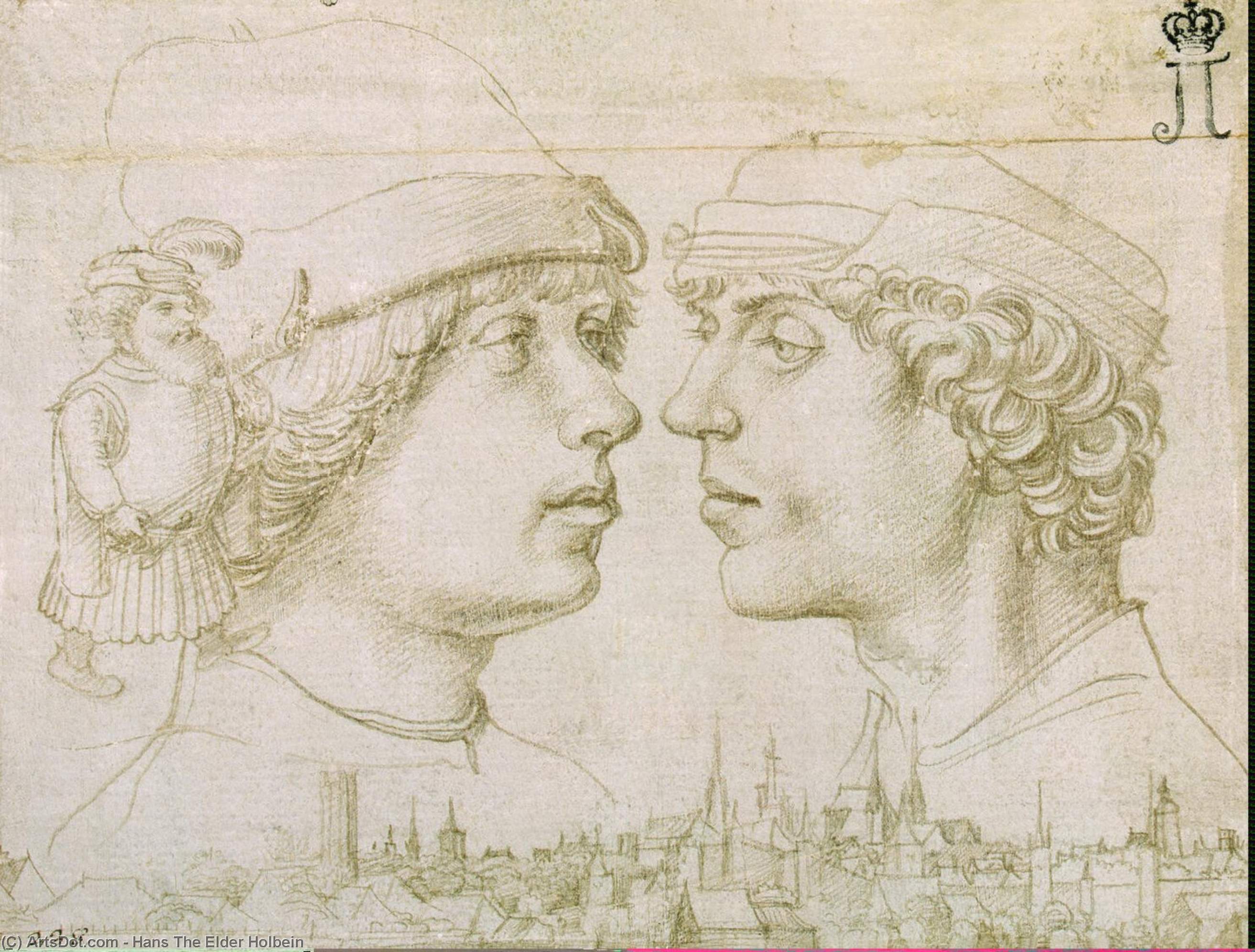
Portrait of the Artist's Sons
 Acrylic On Canvas
- WallArt
- Northern Renaissance
 1514
1514 123.0 x 163.0 cm
 Hermitage Museum
 Read More
Purchase a high-resolution, enhanced digital image, far superior to the online preview.
Each file is meticulously prepared by our in-house specialists using advanced tools and expert manual retouching. We ensure every image has exceptional clarity, precise color accuracy, and fine detail.
The final file is delivered via email within 72 hours, optimized for immediate use in professional, editorial, and print environments. This is the same quality trusted by top-tier design studios, publishers, and galleries.
Digital Image
Download a high-resolution file for personal display, printing, and creative projects. ( Buy Print Buy Hand Made Painting)
Included in Every Digital Image Order
Expert Digital Delivery, Guaranteed
When you choose ArtsDot.com, you're not just getting an image - you're receiving a professionally enhanced digital artwork, crafted with precision and backed by a satisfaction guarantee. Here's everything that comes with your order, automatically:

Fast Email Delivery
Your high-resolution digital image file will be emailed to you within 72 hours of ordering - ready for immediate use.

AI-Enhanced Digital File
Your artwork is professionally optimized using advanced AI tools and manual editing, ensuring maximum detail, clarity, and color accuracy.

Free Lifetime Re-Delivery
Accidentally deleted or lost your file? No worries - we'll resend it to you anytime, free of charge.

No Import Fees - Ever
Enjoy your artwork instantly with zero customs, duties, or delivery fees - digital downloads are always tax-free.

Color Accuracy Guarantee
We ensure your digital image reflects the original colors as closely as possible using professional tools and color management.

60-Day Satisfaction Guarantee
If you're not satisfied with your digital image, we'll revise it or refund 100% within 60 days - no questions asked.

100% Money-Back Guarantee
Not satisfied? Get a full refund within 60 days of receiving your digital file - no questions asked.

Bulk Order Discounts
Buy 3 images, save 10% - Buy 5, save 15% - Buy 10+, save 20%. Great for creative projects, galleries, and agencies.
Portrait of the Artist’s Sons: A Window into Renaissance Family Life
Hans Holbein the Elder's “Portrait of the Artist’s Sons,” painted in 1514, is more than just a depiction of two young men; it’s a poignant glimpse into the heart of a burgeoning family and a masterful demonstration of the artist’s evolving style. Housed within the walls of the State Hermitage Museum in St. Petersburg, this intimate piece transcends its simple subject matter to become a powerful meditation on lineage, affection, and the nascent humanist ideals shaping Northern Europe at the dawn of the Renaissance.
The painting immediately draws the viewer in with its remarkably realistic portrayal of two young boys, likely Holbein’s sons Ambrosius and Hans. They stand close together, their faces almost touching, a gesture that speaks volumes about sibling connection – a rare intimacy captured with startling precision for the period. The composition is deceptively straightforward: a simple interior setting—a room bathed in soft light—provides the backdrop for this tender moment. Holbein’s meticulous attention to detail extends beyond mere likeness; he captures the subtle textures of their clothing, the play of light on their skin, and the fleeting expressions that hint at youthful curiosity and perhaps even a shared secret.
A Masterclass in Early Renaissance Technique
Holbein's skill as a painter is evident in every brushstroke. He employed a technique known as “pointillé,” utilizing tiny dots of paint to build up color and texture, particularly noticeable in the rendering of their clothing and hair. This method allowed him to achieve an astonishing level of detail and luminosity—a hallmark of his style that would later influence generations of artists. The use of oil paints, relatively new at this time, afforded him a greater control over blending colors and creating subtle gradations of tone, contributing significantly to the painting’s atmospheric depth.
The background, rendered with a muted palette, serves to emphasize the boys' presence without distracting from their connection. The cityscape visible through the window—a blend of architectural detail and atmospheric perspective—suggests a world beyond their immediate circle, hinting at the broader social and political landscape of Augsburg during this period.
Symbolism and Humanist Ideals
Beyond its technical brilliance, “Portrait of the Artist’s Sons” is rich in symbolic meaning. The boys' close proximity represents familial bonds—a core value within Renaissance society. The gesture of their faces nearly touching speaks to a shared intimacy and mutual affection, reflecting the humanist emphasis on human connection and emotional expression. Some scholars have suggested that the painting may also be interpreted as an allegory for the transmission of artistic legacy, with the sons inheriting their father’s talent and skill.
Interestingly, the inclusion of birds in the background—a detail often overlooked—adds another layer of interpretation. Birds are frequently associated with hope, renewal, and divine inspiration in Renaissance art. Their presence could symbolize the boys' potential for growth and achievement, mirroring the artistic aspirations of their father.
A Timeless Portrait of Family and Art
“Portrait of the Artist’s Sons” remains a captivating work of art, not simply for its technical mastery but also for its profound emotional resonance. It offers a rare glimpse into the private world of a Renaissance family—a world where affection, lineage, and artistic legacy intertwined to create a timeless masterpiece. Reproductions of this painting capture only a fraction of its original power; experiencing it in person within the State Hermitage Museum is an unforgettable encounter with one of the most poignant portraits of the early Renaissance.
Related Artworks
Artist Biography
The Augsburg Master: Hans Holbein the Elder and the Dawn of Renaissance Realism
Born around 1497 in the vibrant artistic hub of Augsburg, Germany—a correction to earlier attributions placing his origins in Italy—Hans Holbein the Elder emerged as a pivotal figure bridging the late Gothic tradition with the burgeoning innovations of the Northern Renaissance. His life unfolded during a period of immense religious and political upheaval, a context that subtly yet profoundly informed his artistic vision. Unlike many artists who gravitated towards the Italian peninsula for their training, Holbein honed his skills within the German artistic landscape, absorbing influences from masters like Albrecht Dürer while simultaneously developing a uniquely personal style. His early career blossomed in Basel, Switzerland, where he quickly established himself as a sought-after creator of religious imagery, intricate murals adorning public and private spaces, and beautifully detailed book illustrations. However, it was his burgeoning talent for portraiture that would ultimately define his legacy, capturing not merely likenesses but the very essence of his sitters.A Synthesis of Styles: Gothic Detail and Renaissance Humanism
Holbein’s artistic approach wasn't one of radical departure, but rather a masterful synthesis. He didn’t abandon the meticulous detail and precise draftsmanship characteristic of the late Gothic period; instead, he infused it with the humanist ideals sweeping across Europe from Italy. The influence of Leonardo da Vinci and Sandro Botticelli is discernible in his work—not through direct imitation, but through an adoption of their emphasis on naturalism, psychological depth, and a refined understanding of anatomy. This fusion resulted in portraits that were remarkably lifelike, imbued with a sense of presence rarely seen before. He possessed an extraordinary ability to render textures – the sheen of silk, the weight of velvet, the subtle imperfections of skin – with breathtaking accuracy. Maria, das Kind liebkosend, created in 1499 and now residing at the Kunsthistorisches Museum in Vienna, exemplifies this early mastery; it’s a tender depiction brimming with emotional resonance achieved through delicate brushwork and an acute observation of human form. His title plate with St. Peter and St. Paul further demonstrates his skill, showcasing not only technical prowess but also a developing narrative sensibility within his compositions.Beyond Likeness: Capturing Character and Context
Holbein’s portraits weren't simply exercises in visual accuracy; they were insightful studies of character and social standing. He understood that clothing, jewelry, and even posture could reveal volumes about a person’s identity and position within society. He wasn’t merely painting *what* people looked like, but *who* they were—their ambitions, their anxieties, their place in the world. This ability to capture psychological depth set him apart from many of his contemporaries. While he produced religious works throughout his career, it was this focus on portraiture that cemented his reputation and ensured his lasting influence. His work provides invaluable glimpses into the lives of individuals during a period of significant transformation, offering historians and art enthusiasts alike a window into the 16th century’s complex social fabric.A Lasting Legacy: Influence and Rediscovery
Though overshadowed in some respects by his more famous son, Hans Holbein the Younger, the Elder's impact on art history is undeniable. His innovative blend of genres, coupled with his meticulous attention to detail and psychological insight, paved the way for future generations of portrait artists. Art historian Ellis Waterhouse rightly points out that even the portraits created by his son owe a debt to the foundational skills and aesthetic sensibilities instilled during his early training under his father’s guidance. Today, reproductions of Holbein's works—available through platforms like ArtsDot.com—allow art lovers worldwide to appreciate his genius. The opportunity to own a handmade oil painting reproduction of masterpieces such as Ambassadors (by the Younger Holbein) alongside explorations of the Elder’s contributions provides a richer understanding of the artistic lineage and the evolution of Renaissance portraiture. His legacy continues to be celebrated, reminding us of the power of art to not only reflect but also illuminate the human condition.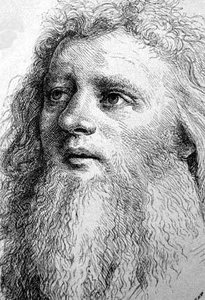
hans the elder holbein
1497 - 1543 , Italy
Quick Facts
- Artistic Movement Or Style: Northern Renaissance
- Artists Or Movements Influenced By This Artist: Northern Renaissance artists
- Artists Who Influenced This Artist:
- Leonardo da Vinci
- Sandro Botticelli
- Date Of Birth: c. 1497
- Date Of Death: 1543
- Full Name: Hans Holbein the Elder
- Nationality: German
- Notable Artworks:
- Maria, das Kind liebkosend
- Title plate with St. Peter & Paul
- Place Of Birth: Augsburg, Germany

