 Preview
 Send
Send Share
Share
 Details

 Download
 Similars
 X-Ray
X-Ray Diaporama
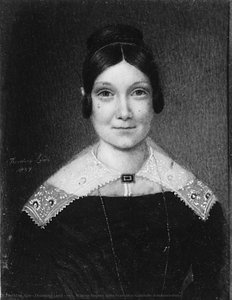
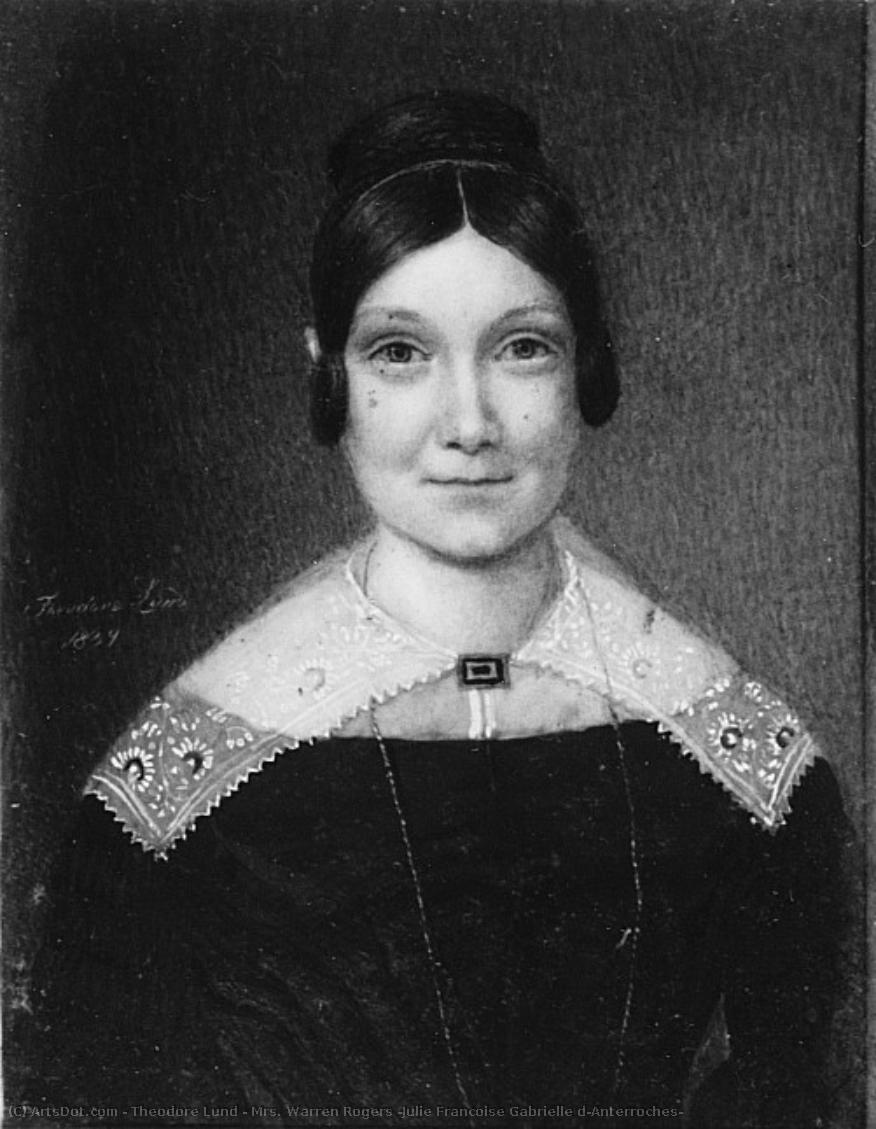
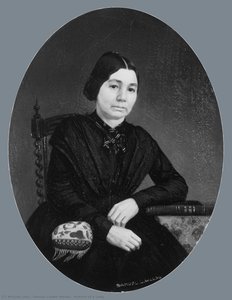
Mrs. Warren Rogers (Julie Francoise Gabrielle d'Anterroches)
 1839
1839 8.0 x 6.0 cm
 Read More
Hand Made Oil Reproduction
Hand-painted oil on canvas in your size and frame, made to order by our artists. ( Buy Print Buy Image)




































Pick from our preset sizes that match the artwork's original proportions.

You may enter your own dimensions to fit a specific frame or space. If your selected size does not match the original image's proportions, we will either crop the artwork or extend the painting with additional hand-painted elements. A digital mockup will be sent for your approval before production begins.
Please note that the on-screen preview does not reflect the actual cropping or extension. Only the mockup will accurately show the final composition.
While custom sizes are available, we recommend selecting a dimension from the predefined list to preserve the original proportions.
After order, ArtsDot.com team will email client for instructions and provide a mockup preview
Worldwide Delivery () in 3/4 weeks instead of standard 5 weeks. (1 September). No compromise on quality.

Free Worldwide Express Shipping

High-Quality Linen Canvas

Full Shipping Insurance

Customs Tax Refund Guarantee

True Color Matching Guarantee

60-Day Return Policy (Defects Only)

100% Money-Back Guarantee

Bulk Discount Offer
 Glass option is only available in size under 110 CM

Mrs. Warren Rogers (Julie Francoise Gabrielle d'Anterroches)
Reproduction Medium
Reproduction Size
-


Total Price
$ 263
Related Artworks






Artist Biography
Constant Troyon: Bridging Porcelain and Pastoral
August 28, 1810, in Sèvres, France, marked the beginning of a life that would ultimately bridge the worlds of delicate porcelain decoration and the rugged beauty of the French countryside. Constant Troyon’s early years were steeped in the meticulous craft of his father's prestigious porcelain manufactory, a demanding apprenticeship that honed his eye for detail and instilled a profound appreciation for precision. Yet, this seemingly restrictive environment fostered within him a restless spirit and an undeniable yearning to capture the world beyond the studio walls. He embarked on a journey of artistic exploration, traveling extensively throughout France, initially as a landscape painter supported by modest earnings. This itinerant existence proved formative, exposing him to diverse landscapes and establishing his foundational skills in observing light, color, and form – elements that would later become hallmarks of his distinctive style. It was during this period of wandering that Troyon’s artistic sensibilities began to coalesce, laying the groundwork for a career that defied easy categorization.The Influence of Rousseau and the Barbizon School
Troyon's trajectory shifted dramatically in the 1840s, thanks largely to the mentorship of Camille Roqueplan, a prominent artist associated with the burgeoning Barbizon school. Roqueplan introduced Troyon to the core tenets of this movement – a rejection of academic formality and a fervent return to nature as the primary subject of art. The Barbizon painters sought to capture the essence of the French countryside, prioritizing direct observation and atmospheric effects over idealized representations. This shift was profoundly impactful; it liberated Troyon from the constraints of porcelain decoration and allowed him to fully embrace his passion for landscape painting. He found inspiration in the works of artists like Jean-Baptiste-Camille Corot and Théodore Rousseau, absorbing their techniques for rendering light, shadow, and texture with remarkable sensitivity. The Barbizon’s emphasis on *plein air* (painting outdoors) proved crucial, fostering a deeper connection between the artist and his subject matter – a connection that would become increasingly evident in Troyon's later works.From Landscapes to Animals: A Master of Pastoral Detail
While initially focused on traditional landscapes, Troyon’s artistic development took an unexpected turn when he encountered Paulus Potter’s “Young Bull” at the Hague in 1846. This monumental painting, a masterful depiction of animal life rendered with astonishing realism and psychological depth, profoundly influenced Troyon's approach to his subject matter. He began to specialize in paintings of livestock – cattle, horses, sheep – capturing their movements, textures, and personalities with remarkable accuracy and sensitivity. This shift wasn’t merely a stylistic choice; it represented a deeper engagement with the natural world, reflecting a growing appreciation for the rhythms of rural life. Troyon's animal paintings are characterized by an intimate understanding of his subjects, conveyed through meticulous detail and a subtle use of color to evoke mood and atmosphere. He didn’t simply paint animals; he painted *life* – capturing their energy, vulnerability, and inherent dignity.Royal Patronage and International Recognition
Troyon's talent quickly gained recognition within France, culminating in royal patronage from Queen Victoria. His paintings of livestock became immensely popular in Britain and America, establishing him as a leading figure in the Barbizon school’s international success. The Royal Collection acquired several of his works, including “The Cattle Market,” which remains a testament to his skill and sensitivity. His ability to capture the essence of rural life resonated with audiences across continents, solidifying his reputation as one of France's most celebrated landscape painters. This international acclaim was not merely a result of artistic merit; it also reflected a broader cultural fascination with the idealized vision of pastoral existence – a romanticized image of rural simplicity and harmony that had captivated European artists for centuries.Legacy and Enduring Appeal
Constant Troyon died in London on February 21, 1865, leaving behind a significant body of work that continues to captivate viewers today. His paintings are valued not only for their technical skill – particularly his masterful rendering of texture and light – but also for their evocative portrayal of rural life. Troyon’s legacy lies in his ability to seamlessly blend the precision of his early training with the expressive freedom of the Barbizon school, creating images that are both meticulously detailed and deeply imbued with emotion. He stands as a pivotal figure in bridging the gap between decorative arts and fine art, demonstrating how an artist can draw inspiration from diverse sources to forge a unique and enduring artistic vision. His work remains a poignant reminder of the beauty and tranquility of the French countryside – a timeless testament to the power of observation and the transformative potential of art.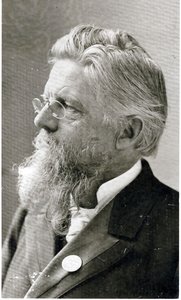
harold emil theodor lund
1810 - 1895 , Denmark
Quick Facts
- Artistic Movement Or Style: Barbizon School
- Artists Or Movements Influenced By This Artist:
- Camille Roqueplan
- Jules Dupré
- Artists Who Influenced This Artist:
- Paulus Potter
- Aelbert Cuyp
- Rembrandt
- Date Of Birth: August 28, 1810
- Date Of Death: February 21, 1865
- Full Name: Constant Troyon
- Nationality: French
- Notable Artworks:
- Young Bull
- The Raft of the Medusa
- Place Of Birth: Sèvres, France