 Preview
 Send
Send Share
Share
 Details

 Download
 Similars
 X-Ray
X-Ray Diaporama
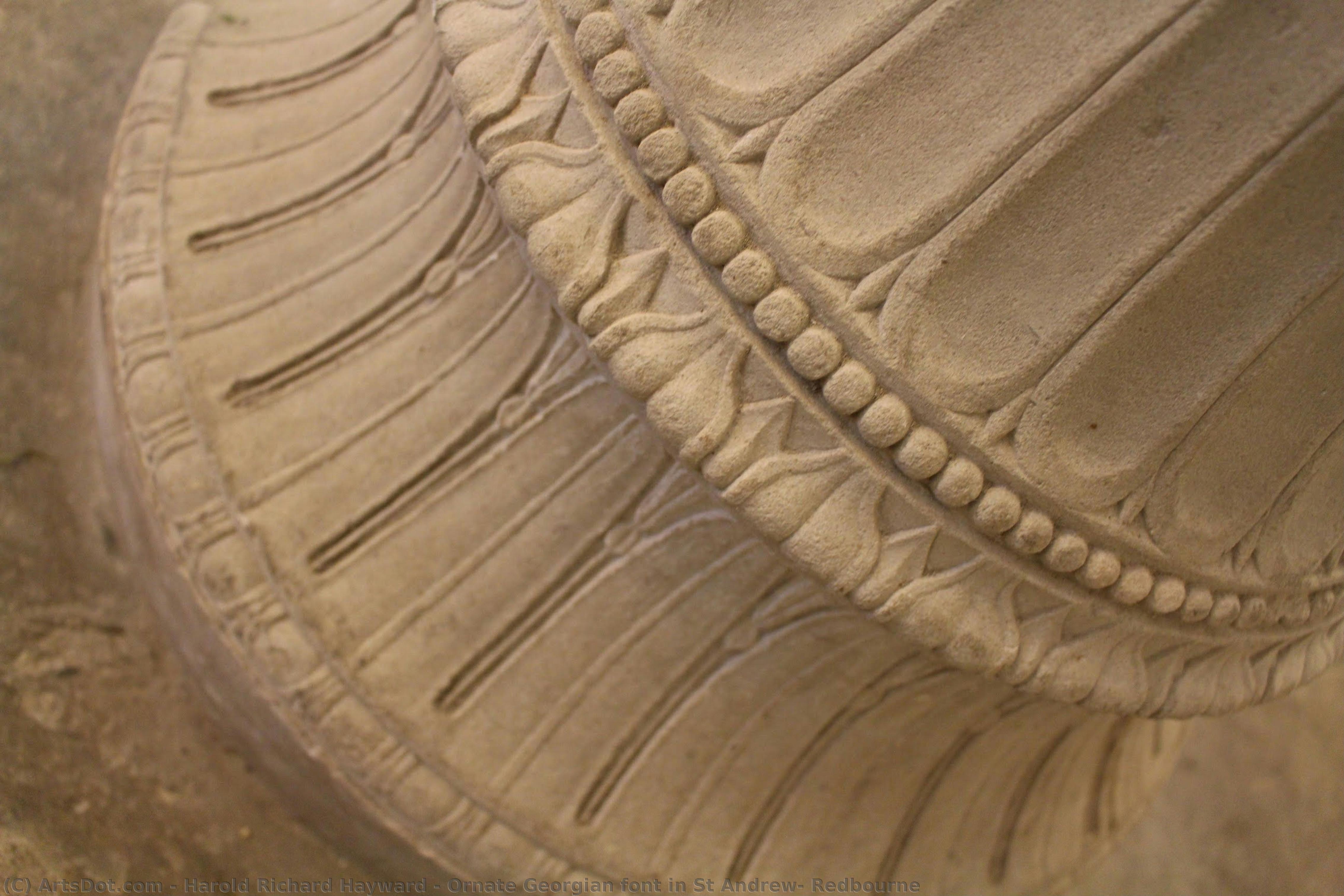
Ornate Georgian font in St Andrew, Redbourne


 Read More
Giclée / Art Print
Museum-quality giclée or canvas print with fast production and flexible finish options. ( Buy Hand Made Painting Buy Image)




































Pick from our preset sizes that match the artwork's original proportions.

You may enter your own dimensions to fit a specific frame or space. If your selected size does not match the original image's proportions, we will either crop the artwork or extend the image with a mirrored or solid-fill edge. A digital mockup will be sent for your approval before production begins.
Please note that the on-screen preview does not reflect the actual cropping or extension. Only the mockup will accurately show the final composition.
While custom sizes are available, we recommend selecting a dimension from the predefined list to preserve the original proportions.
Worldwide Delivery () in 2 weeks instead of standard 4/5 weeks. (29 August)

Free Worldwide Express Shipping

High-Quality Linen Canvas

Full Shipping Insurance

Customs Tax Refund Guarantee

True Color Matching Guarantee

60-Day Return Policy (Defects Only)

100% Money-Back Guarantee

Bulk Discount Offer
 Glass option is only available in size under 110 CM

Ornate Georgian font in St Andrew, Redbourne
Giclée / Art Print
Reproduction Size
-


Total Price
$ 63
Related Artworks








Artist Biography
A Life Immersed in Ulster: The Multifaceted World of Harold Richard Hayward
Harold Richard Hayward, born in Southport, England, in 1892, was far more than the sum of his many talents – actor, writer, singer, and folklorist. His life story is a compelling journey from the English coast to the heart of Irish culture, specifically that of Ulster, where he became an enthusiastic champion and documenter of its traditions. Moving to Ireland as a baby, Hayward quickly absorbed the atmosphere of his adopted homeland, settling in Larne, County Antrim, and later Belfast. This early immersion shaped not only his artistic endeavors but also his deep-seated passion for preserving and celebrating regional identity. He even went so far as to consciously diminish any trace of his English accent, a testament to his commitment to becoming authentically Irish in the eyes of his audience.From Stage to Studio: A Career Forged in Performance
Hayward’s career blossomed across multiple artistic disciplines. Initially involved with ship repair during World War I, he transitioned into sales and then discovered his true calling on the stage. He co-founded the Empire Players (Belfast Repertory Theatre Company) in 1929 alongside J.R. Mageean, a venture aimed at bringing dramatic works to Belfast audiences. This was a bold undertaking, particularly given Hayward’s willingness to showcase the often gritty realism of playwright Thomas Carnduff, whose work focused on the lives of shipyard workers. Beyond theatre, Hayward embraced the burgeoning world of radio with the BBC in Northern Ireland, collaborating with figures like Tyrone Guthrie and pioneering early broadcasting techniques. His foray into music proved remarkably successful; by 1950, he had recorded over 140 songs, many becoming local classics such as ‘The Ould Orange Flute’ and ‘My Lagan Love’. These recordings weren't polished studio productions but rather informal ballads that captured the spirit of Irish folk traditions. He also ventured into film, appearing in early “talkies” like *The Luck of the Irish* (1935) and even taking on a co-producing role, laying some of the earliest foundations for the Irish film industry.A Voice for Ulster: Travel Writing and Cultural Preservation
Hayward’s artistic output extended beyond performance to encompass writing, particularly travel books that served as passionate love letters to Ireland. His 1938 publication, *In Praise of Ulster*, cemented his reputation as a descriptive writer deeply invested in the region's cultural heritage. He didn’t simply document landscapes and customs; he actively sought to understand and celebrate the unique character of Ulster, blending historical insights with personal observations. This dedication wasn’t merely aesthetic; it was rooted in a genuine desire to preserve a culture he believed was often overlooked or misrepresented. His involvement with the Orange Order further illustrates his strong regional identity and commitment to Ulster's traditions – a facet of his life that adds complexity to his artistic legacy.Legacy and Rediscovery: A Pivotal Figure Remembered
Despite his widespread popularity during his lifetime, Hayward’s name faded from public consciousness after his tragic death in a road accident near Ballymena in 1964. However, recent efforts have begun to restore his place as a pivotal cultural figure in Irish history. Author Paul Clements' biography has been instrumental in shedding light on the breadth of his accomplishments and the depth of his commitment to Ulster culture. Documentaries produced by BBC Northern Ireland have further brought his story to a new audience, highlighting his contributions to theatre, music, film, and literature.- Major Achievements: Co-founder of the Belfast Repertory Theatre Company; prolific recording artist with over 140 songs; author of *In Praise of Ulster*; pioneer in Irish radio broadcasting and filmmaking.
- Influences: The landscapes and traditions of Ulster, early Irish theatre movements, folk music, and a desire to preserve regional identity.
- Historical Significance: Hayward played a crucial role in promoting Irish culture, particularly that of Ulster, during the mid-20th century. His work helped lay the foundations for future generations of artists and filmmakers, while his travel writing provided valuable documentation of a unique cultural landscape.
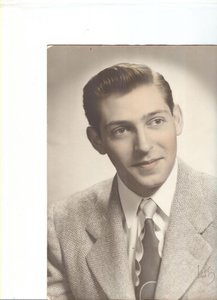
harold richard hayward
1892 - 1964 , United Kingdom
Quick Facts
- Artistic Movement Or Style: Ulster culture enthusiast
- Date Of Birth: 1892
- Date Of Death: 1964
- Full Name: Harold Richard Hayward
- Nationality: British
- Notable Artworks: ['Ornate Georgian font']
- Place Of Birth: Southport, UK