

 Preview
 Send
Send Share
Share
 Details

 Download
 Similars
 X-Ray
X-Ray Diaporama
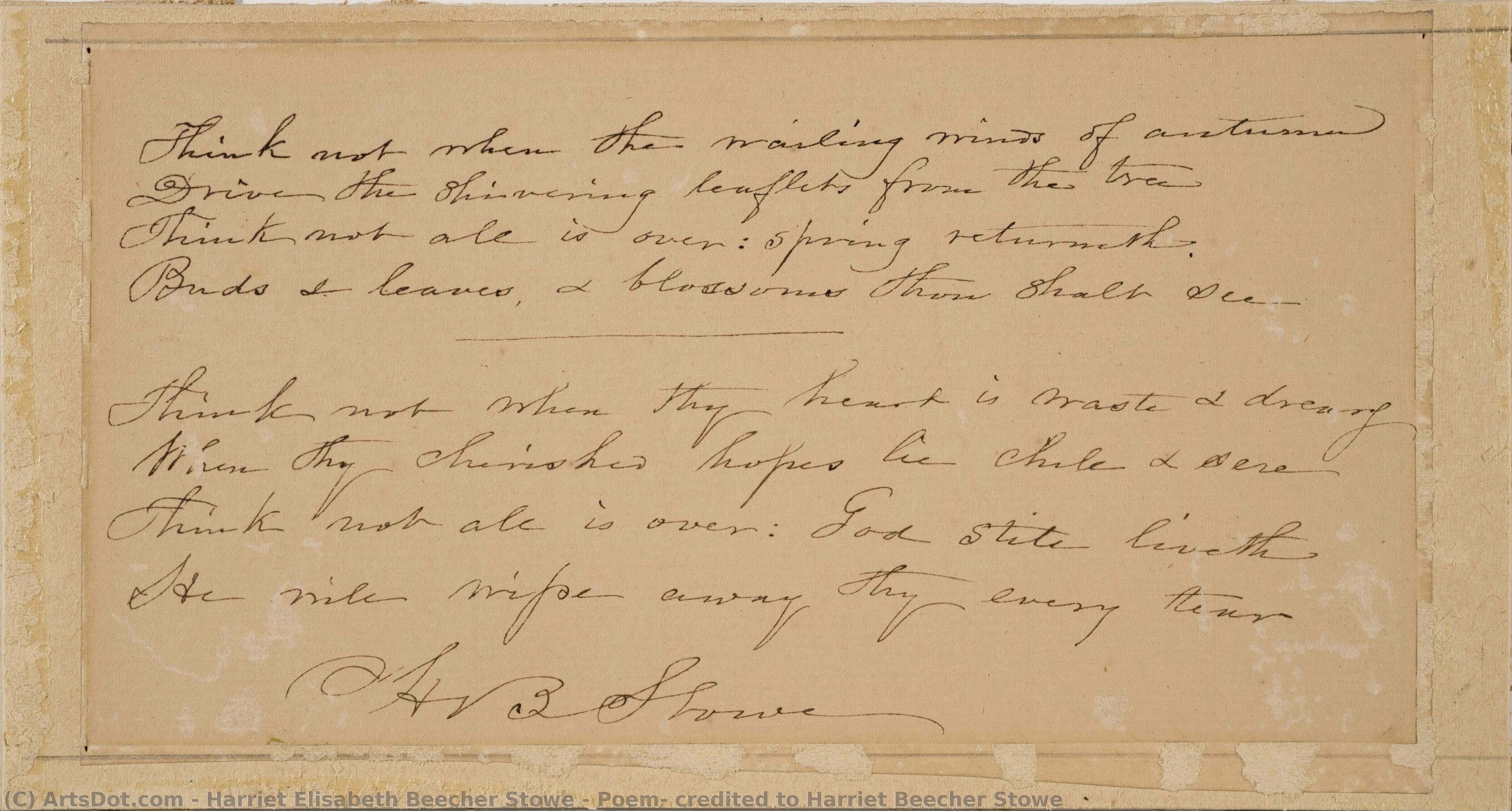
Poem, credited to Harriet Beecher Stowe

 Read More
Purchase a high-resolution, enhanced digital image, far superior to the online preview.
Each file is meticulously prepared by our in-house specialists using advanced tools and expert manual retouching. We ensure every image has exceptional clarity, precise color accuracy, and fine detail.
The final file is delivered via email within 72 hours, optimized for immediate use in professional, editorial, and print environments. This is the same quality trusted by top-tier design studios, publishers, and galleries.
Digital Image
Download a high-resolution file for personal display, printing, and creative projects. ( Buy Print Buy Hand Made Painting)
Included in Every Digital Image Order
Expert Digital Delivery, Guaranteed
When you choose ArtsDot.com, you're not just getting an image - you're receiving a professionally enhanced digital artwork, crafted with precision and backed by a satisfaction guarantee. Here's everything that comes with your order, automatically:

Fast Email Delivery
Your high-resolution digital image file will be emailed to you within 72 hours of ordering - ready for immediate use.

AI-Enhanced Digital File
Your artwork is professionally optimized using advanced AI tools and manual editing, ensuring maximum detail, clarity, and color accuracy.

Free Lifetime Re-Delivery
Accidentally deleted or lost your file? No worries - we'll resend it to you anytime, free of charge.

No Import Fees - Ever
Enjoy your artwork instantly with zero customs, duties, or delivery fees - digital downloads are always tax-free.

Color Accuracy Guarantee
We ensure your digital image reflects the original colors as closely as possible using professional tools and color management.

60-Day Satisfaction Guarantee
If you're not satisfied with your digital image, we'll revise it or refund 100% within 60 days - no questions asked.

100% Money-Back Guarantee
Not satisfied? Get a full refund within 60 days of receiving your digital file - no questions asked.

Bulk Order Discounts
Buy 3 images, save 10% - Buy 5, save 15% - Buy 10+, save 20%. Great for creative projects, galleries, and agencies.
Related Artworks



Artist Biography
Harriet Beecher Stowe: A Voice For Humanity
Harriet Elisabeth Beecher Stowe (June 14, 1811 – July 1, 1896) wasn’t merely an author; she was a catalyst for change. Born in Litchfield Hills, Connecticut, into a family deeply rooted in religious reform and intellectual discourse—her father, Lyman Beecher, a prominent Presbyterian minister—Stowe's early life laid the foundation for her enduring legacy as one of America’s most influential voices against slavery. Her story is inextricably linked to the tumultuous era of the mid-19th century, a period defined by moral reckoning and the agonizing struggle over human freedom. Her work transcended simple storytelling; it ignited public opinion, fueled abolitionist movements, and ultimately contributed significantly to the dismantling of this brutal institution.
Stowe’s childhood was marked by profound loss – the early death of her mother at age five profoundly shaped her empathy and understanding of human suffering. This sensitivity, coupled with a rigorous education encompassing classics, languages, and mathematics, instilled in her a keen observational eye and a powerful ability to articulate complex emotions. Her family's commitment to social reform, particularly through her father’s sermons and involvement in the Lane Debates on Slavery, exposed her to the moral urgency of the issue and fostered within her a deep-seated conviction against injustice. The debates, with their passionate arguments for and against slavery, served as a crucial intellectual training ground, sharpening her critical thinking skills and solidifying her opposition to the institution.
The Genesis of ‘Uncle Tom’s Cabin’
While Stowe penned numerous books throughout her life – novels, travel memoirs, collections of articles, and letters – it is undoubtedly Uncle Tom's Cabin (1852) that cemented her place in literary history. The novel wasn’t born from a singular inspiration but rather coalesced from a confluence of experiences: the horrors she witnessed during her time in Cincinnati, Ohio—a bustling port city rife with the realities of slavery; the accounts of escaped slaves seeking refuge in her home; and, perhaps most powerfully, a vivid dream she recounted as a source of profound emotional resonance. The story centers on Tom, an elderly enslaved man who embodies resilience, faith, and unwavering dignity amidst unimaginable cruelty. Through Tom’s journey—his separation from his family, his experiences on various plantations, and his steadfast commitment to protecting the children under his care—Stowe exposed the brutal realities of slavery with unflinching honesty and heartbreaking detail.
The novel's immediate impact was staggering. Published as a serial in The National Era, it quickly gained widespread popularity, selling over three million copies within just a few years. Its success wasn’t merely due to its compelling narrative; it resonated deeply with readers because of Stowe’s masterful portrayal of human emotion and her refusal to shy away from the graphic details of slavery's horrors. The play adaptation of Uncle Tom’s Cabin, which premiered in London in 1852, further amplified the novel’s reach, captivating audiences across the Atlantic and fueling anti-slavery sentiment in Great Britain.
Beyond ‘Uncle Tom’s Cabin: A Life Dedicated to Reform
While Uncle Tom's Cabin remains her most celebrated work, Stowe’s literary output extended far beyond this single novel. She continued to write prolifically throughout her life, exploring themes of family, morality, and social justice. Her other notable works include *Woman in the Corner* (1870), a poignant story about a young woman struggling with poverty and despair; *A Gossip’s Secret* (1873), a novel that tackles issues of female agency and societal expectations; and *The Minister's Wooing* (1875), a romantic comedy exploring the complexities of marriage. Beyond her novels, Stowe was an active participant in the women’s rights movement, advocating for suffrage and equal opportunities for women.
Furthermore, Stowe actively engaged with the abolitionist cause beyond writing. She used her platform to raise awareness about the plight of enslaved people, donating generously to anti-slavery organizations and participating in fundraising efforts. Her commitment extended to providing safe haven for fugitive slaves, offering them temporary shelter and assistance as they sought freedom. Her actions reflected a deep-seated belief that all human beings deserved dignity and respect, regardless of their race or social status.
Legacy and Enduring Significance
Harriet Beecher Stowe’s legacy extends far beyond the pages of her books. She is recognized as a pivotal figure in American literature and a crucial advocate for abolitionism and women's rights. Uncle Tom’s Cabin remains a powerful testament to the horrors of slavery and continues to be studied and debated today, prompting critical reflection on issues of race, justice, and human compassion. Her work not only shaped public opinion during the Civil War era but also laid the groundwork for future generations of activists and reformers. Stowe's ability to connect with readers on an emotional level—to portray the suffering of enslaved people with empathy and dignity—solidifies her position as a truly transformative voice in American history. Her influence can still be felt today, reminding us of the ongoing struggle for equality and justice.
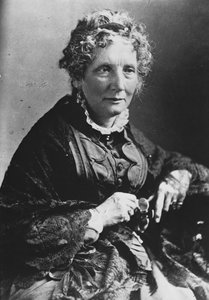
harriet elisabeth beecher stowe
1811 - 1896 , United States of America
Quick Facts
- Artistic Movement Or Style: Realism, Abolitionist literature
- Artists Or Movements Influenced By This Artist: ['Transcendentalism']
- Artists Who Influenced This Artist: ['Lyman Beecher']
- Date Of Birth: June 14, 1811
- Date Of Death: July 1, 1896
- Full Name: Harriet Elisabeth Beecher Stowe
- Nationality: American
- Notable Artworks:
- Uncle Tom's Cabin
- Man in the Corner
- Woman's Christian Temperance Union
- Place Of Birth: Litchfield Hills, USA

