 Preview
 Send
Send Share
Share
 Details

 Download
 Similars
 X-Ray
X-Ray Diaporama
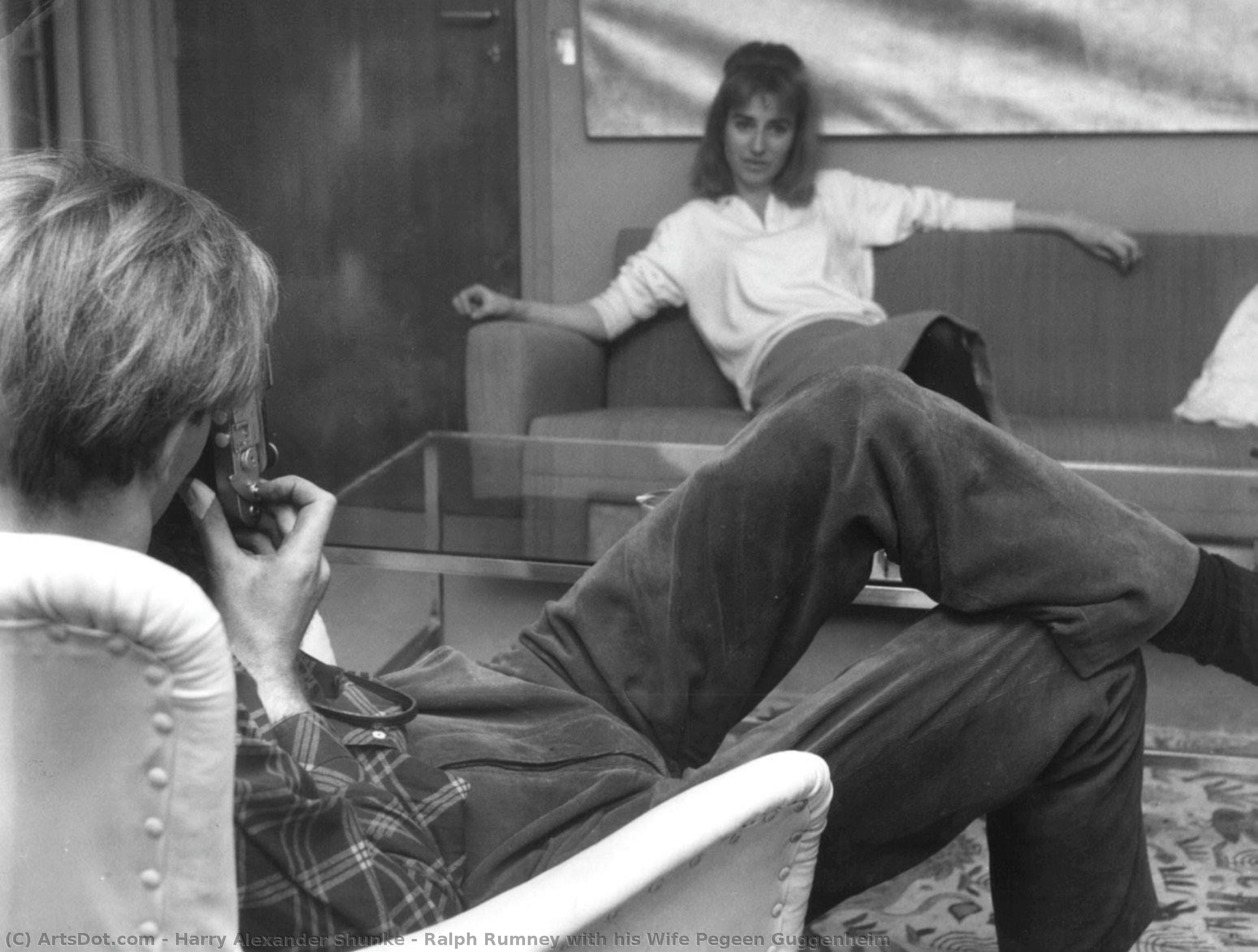
Ralph Rumney with his Wife Pegeen Guggenheim


 Read More
Giclée / Art Print
Museum-quality giclée or canvas print with fast production and flexible finish options. ( Buy Hand Made Painting Buy Image)




































Pick from our preset sizes that match the artwork's original proportions.

You may enter your own dimensions to fit a specific frame or space. If your selected size does not match the original image's proportions, we will either crop the artwork or extend the image with a mirrored or solid-fill edge. A digital mockup will be sent for your approval before production begins.
Please note that the on-screen preview does not reflect the actual cropping or extension. Only the mockup will accurately show the final composition.
While custom sizes are available, we recommend selecting a dimension from the predefined list to preserve the original proportions.
Worldwide Delivery () in 2 weeks instead of standard 4/5 weeks. (28 August)

Free Worldwide Express Shipping

High-Quality Linen Canvas

Full Shipping Insurance

Customs Tax Refund Guarantee

True Color Matching Guarantee

60-Day Return Policy (Defects Only)

100% Money-Back Guarantee

Bulk Discount Offer
 Glass option is only available in size under 110 CM

Ralph Rumney with his Wife Pegeen Guggenheim
Giclée / Art Print
Reproduction Size
-


Total Price
$ 63
Related Artworks






Artist Biography
A Witness to Transformation: The Life and Legacy of Harry Shunk
Harry Alexander Shunk, born in Reuthen, Germany in 1924 and passing away in obscurity in Westbeth, New York City in 2006, was more than just a photographer; he was a chronicler of an era. While his name may not be as instantly recognizable as some of the artists he documented, Shunk’s contribution to art history is profound. He, alongside his long-time collaborator János Kender, formed the partnership “Shunk-Kender,” and together they created an unparalleled visual record of the burgeoning avant-garde scene in New York and Europe during the 1960s and 70s. Their work wasn’t about creating art *objects* themselves, but rather capturing the ephemeral moments of artistic creation, the energy of a movement, and the personalities that defined it.The Shunk-Kender Collaboration: Documenting a Revolution
Shunk's partnership with János Kender began around 1957/58 and lasted until 1973. This wasn’t simply a professional arrangement; it was a symbiotic relationship built on shared vision and an almost anthropological approach to their subject matter. They were hired by artists, dealers, and galleries not merely to photograph finished works, but to document the *process* – the messy, chaotic, often spontaneous acts of creation that lay behind them. This meant capturing Andy Warhol clutching flowers at openings, Yayoi Kusama immersed in her own installations, Yves Klein’s performative paintings with nude models covered in blue pigment, and countless others pushing the boundaries of artistic expression. Their photographs weren't staged; they were snapshots of reality, imbued with a raw energy that traditional art photography often lacked. They captured hundreds of artists at work, offering an intimate glimpse into their studios, exhibitions, and daily lives. The duo’s unique style—often black-and-white, direct, and unglamorous—became synonymous with the spirit of the time.A Shift in Focus: From Collaboration to Individual Pursuit
The dissolution of Shunk-Kender in 1973 marked a turning point for Harry Shunk. Remarkably, Kender ceded control of their joint archive to Shunk, allowing him to continue working with the material and pursue his own photographic endeavors for another three decades. This decision speaks volumes about the respect and understanding between the two artists. While the collaborative period defined much of Shunk’s early recognition, he didn't simply rest on past laurels. He continued to photograph, though perhaps with a more individual focus, building upon the foundation established during his partnership with Kender.Rediscovery and Lasting Influence
For years, Shunk lived a relatively quiet life after the breakup of the collaboration, largely unknown outside of art circles. However, in recent decades, there has been a significant resurgence of interest in his work—and that of Shunk-Kender as a whole. The 2013 donation of the Harry Shunk and Shunk-Kender Photography Collection by the Roy Lichtenstein Foundation to five major institutions – the Getty Research Institute, the Museum of Modern Art, the National Gallery of Art, the Tate, and the Pompidou Center – was pivotal in bringing their work back into the spotlight. This gift, comprising over 200,000 prints and negatives, provided unprecedented access to a treasure trove of images documenting a crucial period in art history. The photographs offer invaluable insights into the creative processes of some of the most important artists of the 20th century, revealing the often-unseen labor, collaboration, and experimentation that fueled their iconic works.The Significance of Documentation
Harry Shunk’s legacy lies not in a distinctive photographic style—though his work is certainly recognizable—but in the importance of documentation itself. He understood that art wasn't confined to the finished product; it existed within a broader context of social interaction, performance, and intellectual exchange. By capturing these fleeting moments, he preserved a vital record of an era characterized by radical experimentation and artistic innovation. His photographs are not simply images *of* art; they are documents *about* art—its creation, its reception, and its place within the cultural landscape. Shunk-Kender’s work continues to inspire artists, scholars, and collectors alike, reminding us that the story behind the artwork is often as compelling as the artwork itself.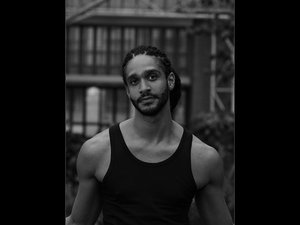
harry alexander shunke
1924 - 2006 , Germany
Quick Facts
- Artistic Movement Or Style: Postmodern Photography
- Date Of Birth: 1924
- Date Of Death: June 26, 2006
- Full Name: Harry Alexander Shunke
- Nationality: German
- Place Of Birth: Reuthen, Germany