 Preview
 Send
Send Share
Share
 Details

 Download
 Similars
 X-Ray
X-Ray Diaporama
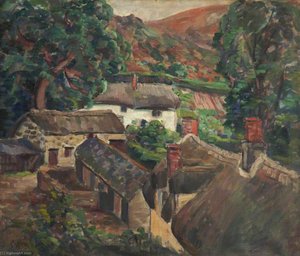
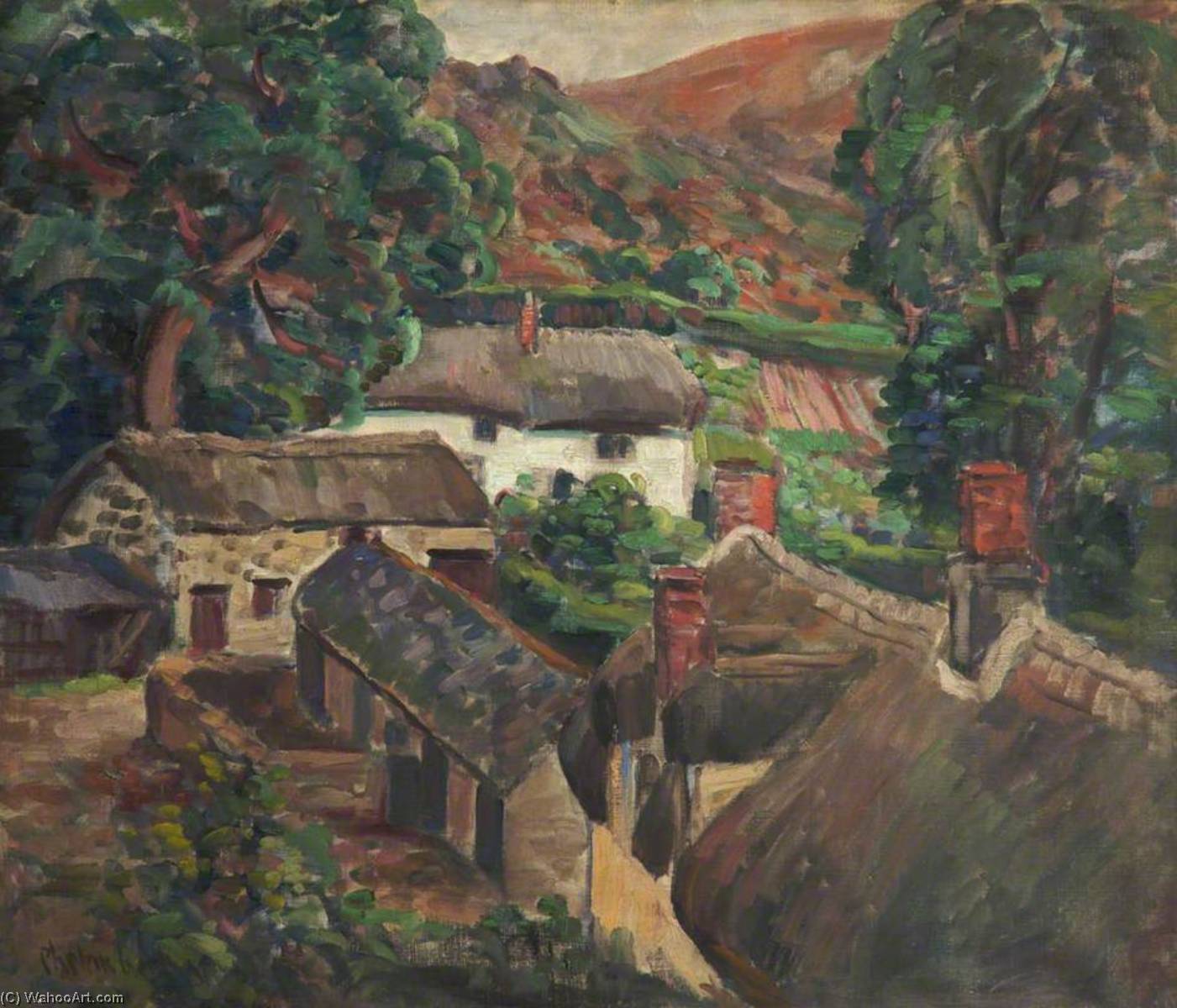
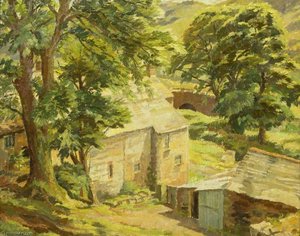
Dartmoor Farm
 1931
1931 62.0 x 75.0 cm
 Salford Museum - Art Gallery
 Read More
Hand Made Oil Reproduction
Hand-painted oil on canvas in your size and frame, made to order by our artists. ( Buy Print Buy Image)




































Pick from our preset sizes that match the artwork's original proportions.

You may enter your own dimensions to fit a specific frame or space. If your selected size does not match the original image's proportions, we will either crop the artwork or extend the painting with additional hand-painted elements. A digital mockup will be sent for your approval before production begins.
Please note that the on-screen preview does not reflect the actual cropping or extension. Only the mockup will accurately show the final composition.
While custom sizes are available, we recommend selecting a dimension from the predefined list to preserve the original proportions.
After order, ArtsDot.com team will email client for instructions and provide a mockup preview
Worldwide Delivery () in 3/4 weeks instead of standard 5 weeks. (17 August). No compromise on quality.

Free Worldwide Express Shipping

High-Quality Linen Canvas

Full Shipping Insurance

Customs Tax Refund Guarantee

True Color Matching Guarantee

60-Day Return Policy (Defects Only)

100% Money-Back Guarantee

Bulk Discount Offer
 Glass option is only available in size under 110 CM

Dartmoor Farm
Reproduction Medium
Reproduction Size
-


Total Price
$ 263
Artwork Description
The Artist and His Style
Harry Phelan Gibb was a post-impressionist painter known for his landscapes and rural scenes. His style is characterized by the use of bold colors and thick brushstrokes, which give his paintings a sense of texture and depth. In Dartmoor Farm, Gibb's use of earthy tones and soft lighting creates a warm and inviting atmosphere, drawing the viewer into the scene.Key Features of the Painting
The painting features several buildings, including houses and barns, surrounded by trees and a dirt road. A horse is also visible in the scene, adding to the rural charm. The thatched roofs of the buildings and the natural surroundings create a sense of tranquility and peace. The overall composition of the painting is well-balanced, with the buildings and trees arranged in a harmonious manner.- The use of color in the painting is noteworthy, with Gibb employing a range of earthy tones to create a sense of warmth and coziness.
- The brushstrokes are bold and expressive, giving the painting a sense of texture and energy.
- The composition is well-balanced, with the buildings and trees arranged in a harmonious manner.
The Dartmoor Farm painting is a beautiful representation of rural England, and ArtsDot.com is proud to offer handmade oil painting reproductions of this stunning piece.
Related Artworks
Artist Biography
Harry Phelan Gibb: An Earthy Visionary of the Early Modern Era
The art world often celebrates explosive innovation, radical departures, and instantly recognizable styles. Yet, amidst this whirlwind of change, there exist artists who quietly, persistently, developed a unique voice—a voice that resonates with quiet power and enduring beauty. Harry Phelan Gibb (1870-1948) was undoubtedly one such figure. Born in Alnwick, Northumberland, to an Irish mother, his journey from the rugged landscapes of northern England to the vibrant studios of Paris marked a pivotal moment in British art, establishing him as a significant, though often overlooked, contributor to the early 20th-century avant-garde.
Gibb’s artistic education was remarkably diverse. He began his studies at Newcastle and Edinburgh, absorbing influences from traditional academic training. However, it was his time in Antwerp and Munich that truly ignited his creative spirit, exposing him to burgeoning European movements like Impressionism and Post-Impressionism. It was in Paris, however, that he found his true artistic home—a city teeming with creativity and brimming with the revolutionary ideas shaping modern art. He immersed himself in the Parisian scene, studying under Jean-Paul Laurens, a renowned instructor at the École des Beaux-Arts, and forging connections with some of the era’s most influential artists, including Paul Cézanne, whose influence on Gibb's work is undeniable.
Cézanne’s impact on Gibb’s style is immediately apparent. Like his mentor, Gibb eschewed photographic realism in favor of a more subjective and expressive approach to representation. He employed flattened perspectives, simplified forms, and bold color palettes—techniques that prioritized the emotional resonance of a scene over its literal depiction. This “earthy” aesthetic, as critics often described it, drew heavily on the natural world, particularly the landscapes of Northumberland and the surrounding countryside. His paintings are imbued with a sense of quiet contemplation, capturing the essence of place rather than merely reproducing its appearance.
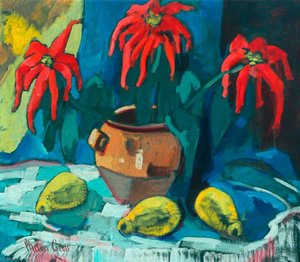
- Key Characteristics: Gibb’s work is characterized by a distinctive use of color—often muted earth tones punctuated by vibrant accents—a simplified approach to form, and an emphasis on atmospheric perspective.
- Subject Matter: Landscapes dominated his output, frequently depicting scenes from the English countryside, particularly the dramatic coastlines of Northumberland and Devon. He also painted portraits and still lifes, often imbued with a similar sense of quiet observation.
- Technique: Gibb’s brushwork is loose and expressive, conveying a sense of movement and spontaneity. He employed layering techniques to create depth and texture, further enhancing the atmospheric quality of his paintings.
The Parisian Circle and Recognition
Gibb's arrival in Paris coincided with a period of intense artistic ferment. He quickly integrated himself into the city’s vibrant art scene, associating closely with figures like Gertrude Stein—a prominent patron of the arts and a key influence on his career. Stein recognized Gibb’s unique talent and championed his work, providing him with opportunities to exhibit and develop his style. His association with Stein is particularly noteworthy, as she famously predicted that Gibb would one day achieve recognition alongside other leading modernists like Picasso and Cézanne—a prophecy that, while yet unfulfilled, speaks volumes about the potential of his art.
In 1913, Gibb’s work was included in the groundbreaking *Armory Show* in New York City—an exhibition that catapulted American modernism onto the international stage. This event provided him with a crucial platform for exposure and helped to establish his reputation among collectors and critics. Despite facing resistance from conservative elements within the art community, Gibb continued to exhibit his work throughout the 1920s and 30s, steadily building a loyal following.
A Troubled Legacy and Rediscovery
Despite his artistic merits, Gibb’s career was not without its challenges. In Dublin in 1914, a major exhibition of his work was abruptly shut down by Catholic priests who objected to the subject matter and style. This incident highlights the social and religious tensions that often shaped the reception of modern art at the time. Following this setback, Gibb experienced a period of hardship and obscurity, struggling to find support for his work.
However, in the 1930s, thanks largely to the efforts of Lucy Wertheim—a prominent dealer and collector—Gibb’s work was rediscovered and re-evaluated. Wertheim recognized Gibb's unique artistic vision and championed his art, organizing a series of exhibitions that brought him back into the public eye. Her support proved instrumental in reviving his career and ensuring that his legacy would endure.
Lasting Significance
Harry Phelan Gibb’s contribution to British modernism is often underestimated, yet his work deserves recognition for its quiet intensity, evocative landscapes, and subtle exploration of form and color. His influence can be seen in the works of later artists who embraced a similar earthy aesthetic—a testament to the enduring power of his vision. Today, his paintings are held by major museums and private collections around the world, offering viewers a glimpse into the mind of an artist who quietly shaped the course of 20th-century art.
His legacy is not one of flamboyant innovation but rather of persistent observation, quiet contemplation, and a profound connection to the natural world—qualities that continue to resonate with audiences today.
harry phelan gibb
1870 - 1948
Quick Facts
- Artistic Movement Or Style: Cézanne-influenced
- Artists Or Movements Influenced By This Artist: ['Emily Carr']
- Artists Who Influenced This Artist: ['Paul Cézanne']
- Date Of Birth: 1870
- Date Of Death: 1948
- Full Name: Harry Phelan Gibb
- Nationality: British
- Notable Artworks:
- Dartmoor Farm
- Woods
- Somerset Headland
- Place Of Birth: Alnwick, Northumberland