

 Preview
 Send
Send Share
Share
 Details

 Download
 Similars
 X-Ray
X-Ray Diaporama
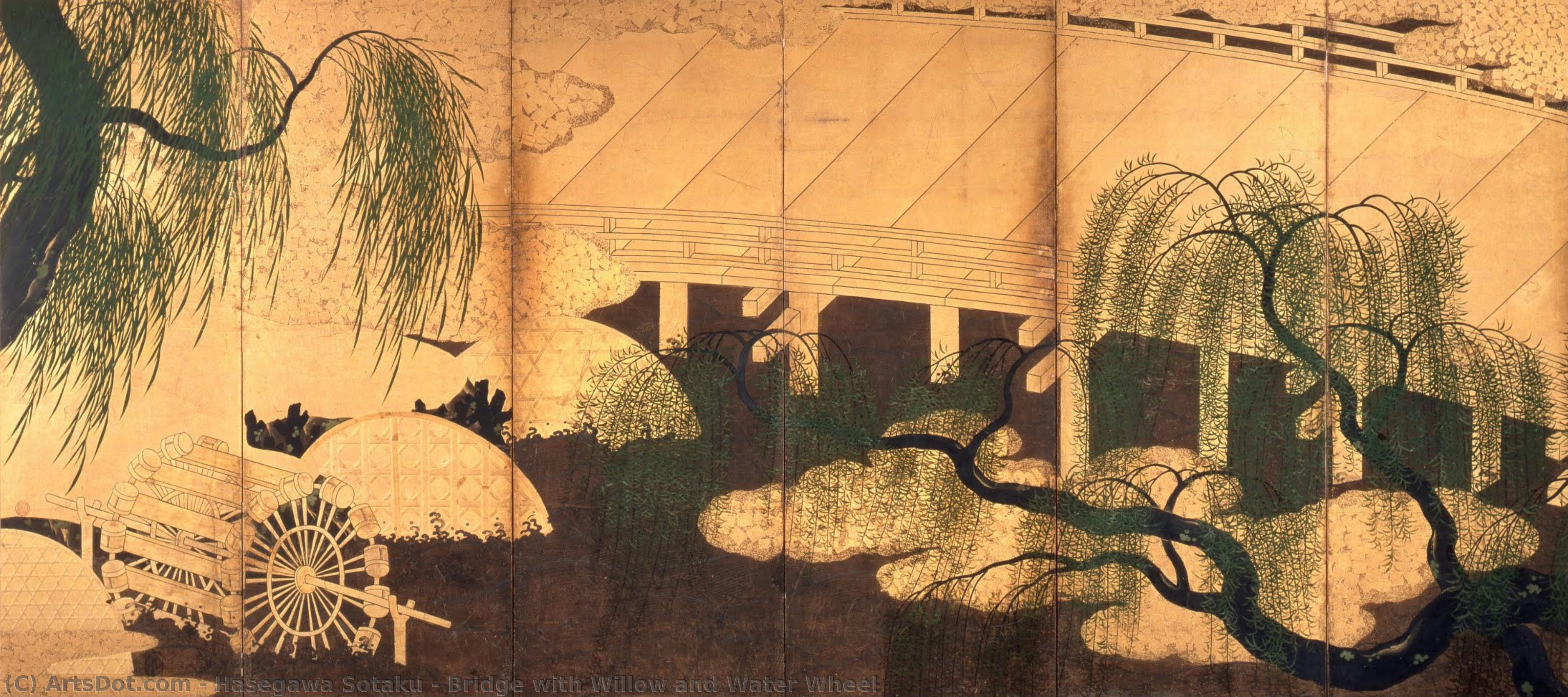
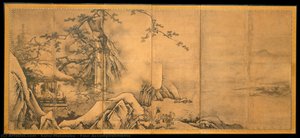
Bridge with Willow and Water Wheel
 144.0 x 325.0 cm
 Read More
Purchase a high-resolution, enhanced digital image, far superior to the online preview.
Each file is meticulously prepared by our in-house specialists using advanced tools and expert manual retouching. We ensure every image has exceptional clarity, precise color accuracy, and fine detail.
The final file is delivered via email within 72 hours, optimized for immediate use in professional, editorial, and print environments. This is the same quality trusted by top-tier design studios, publishers, and galleries.
Digital Image
Download a high-resolution file for personal display, printing, and creative projects. ( Buy Print Buy Hand Made Painting)
Included in Every Digital Image Order
Expert Digital Delivery, Guaranteed
When you choose ArtsDot.com, you're not just getting an image - you're receiving a professionally enhanced digital artwork, crafted with precision and backed by a satisfaction guarantee. Here's everything that comes with your order, automatically:

Fast Email Delivery
Your high-resolution digital image file will be emailed to you within 72 hours of ordering - ready for immediate use.

AI-Enhanced Digital File
Your artwork is professionally optimized using advanced AI tools and manual editing, ensuring maximum detail, clarity, and color accuracy.

Free Lifetime Re-Delivery
Accidentally deleted or lost your file? No worries - we'll resend it to you anytime, free of charge.

No Import Fees - Ever
Enjoy your artwork instantly with zero customs, duties, or delivery fees - digital downloads are always tax-free.

Color Accuracy Guarantee
We ensure your digital image reflects the original colors as closely as possible using professional tools and color management.

60-Day Satisfaction Guarantee
If you're not satisfied with your digital image, we'll revise it or refund 100% within 60 days - no questions asked.

100% Money-Back Guarantee
Not satisfied? Get a full refund within 60 days of receiving your digital file - no questions asked.

Bulk Order Discounts
Buy 3 images, save 10% - Buy 5, save 15% - Buy 10+, save 20%. Great for creative projects, galleries, and agencies.
Related Artworks

Artist Biography
hasegawa sotaku: A Pioneer of Monochrome Landscape Painting
hasegawa sotaku (長谷川 等伯; 1539 – March 19, 1610) stands as one of Japan’s most revered painters of the Azuchi–Momoyama period (1574–1603), a pivotal era marked by unification and artistic innovation. Born Okumura Tōhaku in Nanau Province (present-day Ishikawa Prefecture), his early life was steeped in the traditions of cloth dyeing, yet he swiftly ascended to prominence as a master of *suiboku-ga*, or monochrome ink painting—a style that would define his legacy and profoundly influence subsequent generations of artists. His artistic journey began with Buddhist commissions in Noto Province, honing his skills under Sesshū, a towering figure of the Kanō school who championed simplicity and profound observation of nature. This formative experience instilled in Tōhaku a dedication to capturing the essence of landscapes through subtle tonal variations—a technique that would become synonymous with his distinctive aesthetic.- Early Influences: Sesshū’s teachings on Zen Buddhism and the Kanō school's emphasis on naturalism served as bedrock for Tōhaku’s artistic vision.
- Notable Commissions: He undertook significant projects for influential patrons like Toyotomi Hideyoshi and Tokugawa Ieyasu, demonstrating his versatility and securing his place in history as a court artist of considerable stature.
- Signature Style: Tōhaku's hallmark was the masterful manipulation of ink tones—a technique that allowed him to convey atmospheric depth and emotional resonance with remarkable precision.
The Hasegawa School and Artistic Innovation
Tōhaku established the Hasegawa school around 1589, marking a crucial moment in Japanese art history. Unlike many of his contemporaries who favored opulent color palettes, Tōhaku championed *kotan*, or “elegant simplicity,” prioritizing refined brushwork and understated beauty—a stylistic departure that distinguished him from the prevailing trends of the time. This school’s focus on capturing the spirit of nature through monochrome ink painting solidified its position as a cornerstone of Japanese artistic tradition. The Hasegawa School's influence extended beyond Tōhaku himself, shaping the sensibilities of his successors and ensuring the continuation of this distinctive style for decades to come.- Emphasis on Minimalism: The Hasegawa school’s commitment to *kotan* contrasted sharply with the lavish ornamentation favored by other artists, establishing a new aesthetic standard.
- Transmission of Technique: Tōhaku diligently instructed his disciples in the intricacies of ink painting—passing down invaluable knowledge and fostering a lineage of artistic excellence.
- Legacy Beyond Style: The Hasegawa school’s philosophical underpinning—a reverence for natural beauty and contemplation—resonated deeply within Japanese culture, shaping artistic expression for centuries afterward.
Iconic Landscapes and Symbolism
Tōhaku's oeuvre comprises numerous breathtaking landscapes rendered in exquisite monochrome ink, each imbued with profound symbolic meaning. Among his most celebrated works are “Picture of Pine Trees” (Shurin-zu byōbu), “Portrait of Nawa Nagatoshi,” and “Landscape with Flowering Plants,” which exemplify the Hasegawa school’s artistic principles. These paintings aren't merely depictions of scenery; they represent meditations on themes of impermanence, harmony, and spiritual enlightenment—reflecting the Zen Buddhist worldview that profoundly influenced Tōhaku’s creative process. The careful arrangement of elements—such as pine trees, rocks, and water—served as visual metaphors for conveying complex philosophical ideas.- Pine Trees: Represent longevity and resilience, symbolizing enduring virtue and spiritual fortitude.
- Rocks: Symbolize stability and permanence, grounding the viewer in a sense of timelessness.
- Water: Represents fluidity and change—a reminder that all things are transient yet interconnected.
Major Achievements and Recognition
hasegawa sotaku’s artistic accomplishments earned him unparalleled acclaim during his lifetime and cemented his status as a national treasure upon his death in 1610. His paintings—particularly “Landscape with Flowering Plants” and “Portrait of Nawa Nagatoshi”—are revered for their technical mastery, compositional elegance, and profound emotional depth. Furthermore, he established the Hasegawa school, which continued to produce exceptional artists for generations, ensuring the preservation and dissemination of his distinctive style. Today, Tōhaku’s legacy persists as a testament to the transformative power of artistic vision—inspiring artists and scholars alike to explore the enduring beauty of Japanese landscape painting. His work remains an exemplar of Zen aesthetics and continues to captivate audiences worldwide.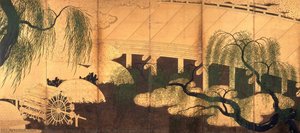
hasegawa sotaku
Japan
Quick Facts
- Artistic Movement Or Style: Kanō School
- Artists Or Movements Influenced By This Artist:
- Toyotomi Hideyoshi
- Tokugawa Ieyasu
- Artists Who Influenced This Artist: ['Sesshū']
- Date Of Birth: 1539
- Full Name: Hasegawa Tōhaku
- Nationality: Japanese
- Notable Artworks:
- Pine Tree and Flowering Plants
- Portrait of Nawa Nagatoshi
- Place Of Birth: Nanao, Ishikawa Prefecture

