

 Preview
 Send
Send Share
Share
 Details

 Download
 Similars
 X-Ray
X-Ray Diaporama
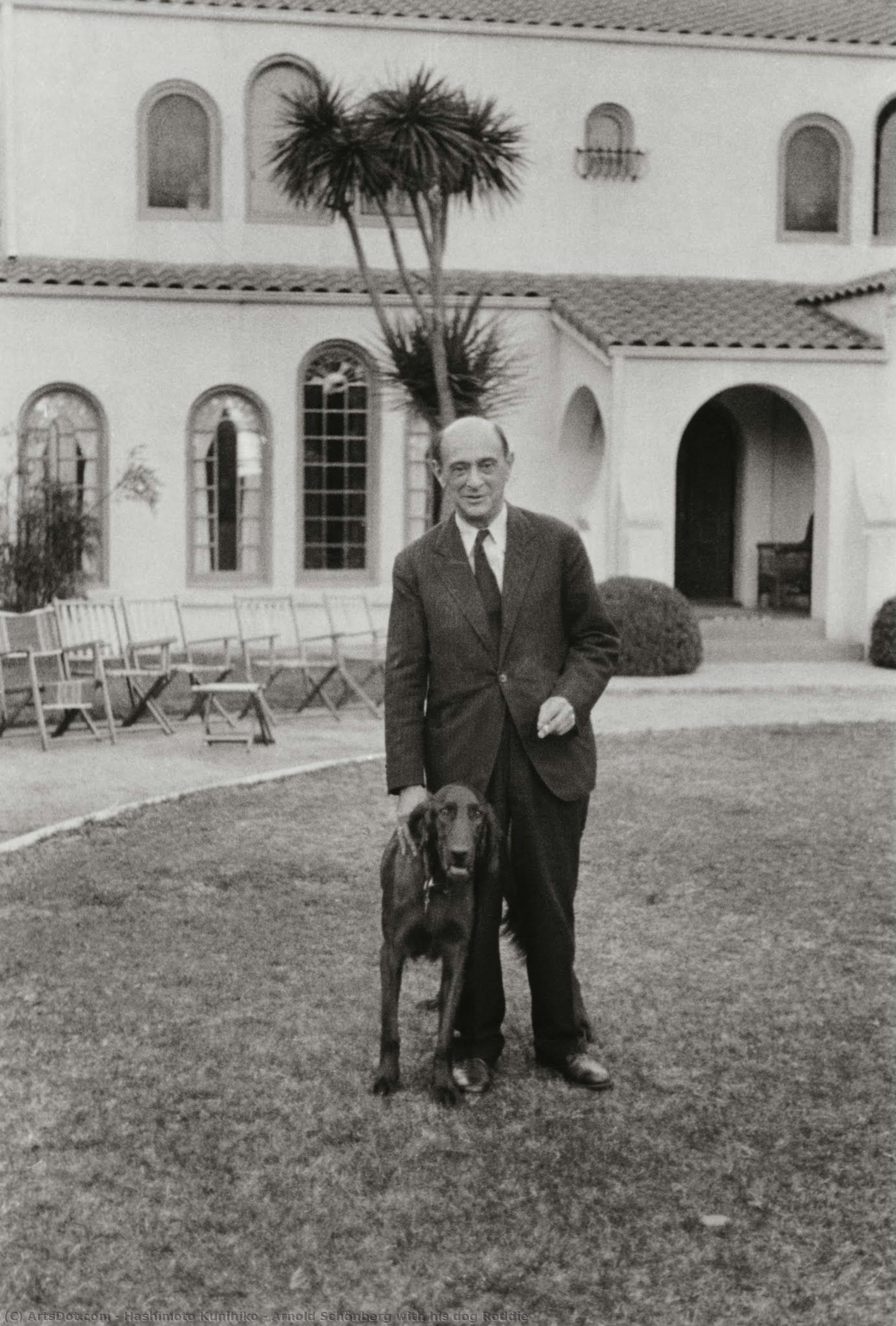
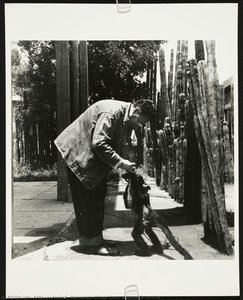
Arnold Schönberg with his dog Roddie
 1937
1937 8.0 x 12.0 cm
 Arnold Schönberg Center
 Read More
Purchase a high-resolution, enhanced digital image, far superior to the online preview.
Each file is meticulously prepared by our in-house specialists using advanced tools and expert manual retouching. We ensure every image has exceptional clarity, precise color accuracy, and fine detail.
The final file is delivered via email within 72 hours, optimized for immediate use in professional, editorial, and print environments. This is the same quality trusted by top-tier design studios, publishers, and galleries.
Digital Image
Download a high-resolution file for personal display, printing, and creative projects. ( Buy Print Buy Hand Made Painting)
Included in Every Digital Image Order
Expert Digital Delivery, Guaranteed
When you choose ArtsDot.com, you're not just getting an image - you're receiving a professionally enhanced digital artwork, crafted with precision and backed by a satisfaction guarantee. Here's everything that comes with your order, automatically:

Fast Email Delivery
Your high-resolution digital image file will be emailed to you within 72 hours of ordering - ready for immediate use.

AI-Enhanced Digital File
Your artwork is professionally optimized using advanced AI tools and manual editing, ensuring maximum detail, clarity, and color accuracy.

Free Lifetime Re-Delivery
Accidentally deleted or lost your file? No worries - we'll resend it to you anytime, free of charge.

No Import Fees - Ever
Enjoy your artwork instantly with zero customs, duties, or delivery fees - digital downloads are always tax-free.

Color Accuracy Guarantee
We ensure your digital image reflects the original colors as closely as possible using professional tools and color management.

60-Day Satisfaction Guarantee
If you're not satisfied with your digital image, we'll revise it or refund 100% within 60 days - no questions asked.

100% Money-Back Guarantee
Not satisfied? Get a full refund within 60 days of receiving your digital file - no questions asked.

Bulk Order Discounts
Buy 3 images, save 10% - Buy 5, save 15% - Buy 10+, save 20%. Great for creative projects, galleries, and agencies.
Collectible Description
Related Artworks






Artist Biography
The Harmonic Synthesis of Hashimoto Kunihiko
In the vibrant, transformative landscape of early 20th-century Japan, few figures embodied the tension between tradition and modernity as poignantly as Hashimoto Kunihiko. Born in the Hongō district of Tokyo in 1904, Hashimoto emerged not merely as a musician, but as a sonic architect attempting to bridge the vast cultural expanse between the ancient melodies of his homeland and the radical, avant-garde innovations of the West. His life, though tragically brief, was a profound exploration of how disparate musical languages might find a singular, cohesive voice through the rigorous application of intellect and emotion.
Hashimoto’s early years were defined by an insatiable pursuit of technical mastery. Entering the Tokyo Music School in 1923, he initially immersed himself in the physical demands of the violin and the commanding discipline of conducting. While his foundations were rooted in classical training, his creative spirit was largely self-directed, a quality that allowed him to bypass rigid academicism in favor of a more experimental path. This period of self-discovery laid the groundwork for a career that would eventually see him appointed as a professor at his alma mater, where he would shape the next generation of Japanese musical luminaries.
A Journey Through the Heart of Modernism
The true metamorphosis of Hashimoto’s style occurred through his international sojourns, which brought him into direct contact with the very architects of modern music. Traveling to Vienna as a government scholar, he studied under Egon Wellesz, an experience that introduced him to the complex textures of the Second Viennese School. This exposure was further deepened by encounters with legends such as Alban Berg and Bruno Walter. His musical vocabulary expanded even further during a period in Los Angeles, where he sought the guidance of Arnold Schoenberg. These encounters were not merely academic; they were spiritual and structural shifts that infused his compositions with a sense of atonality and sophisticated harmonic tension.
Returning to Japan, Hashimoto possessed a toolkit unlike any of his contemporaries. He began to weave the dense, often dissonant threads of Western modernism into the delicate fabric of Japanese sensibility. His works, such as Symphony No. 1 in D and the evocative Symphonic Suite Heavenly Maiden and the Moon, serve as masterclasses in this synthesis. In these pieces, one can hear the grandeur of European orchestral traditions clashing and eventually merging with the ethereal, often pastoral imagery of Japanese folk influences. It was a delicate balancing act—maintaining the intellectual rigor of serialism while ensuring the music remained deeply evocative and rooted in a recognizable emotional landscape.
Legacy of a Visionary Educator
Beyond his personal compositions, Hashimoto’s historical significance is inextricably linked to his role as a mentor. As a professor, he acted as a conduit for the radical ideas he had gathered abroad, passing the torch of modernism to students who would become titans of Japanese music, including Akio Yashiro and Toshiro Mayuzumi. His influence ensured that the seeds of experimentalism planted in the interwar period would continue to bloom in the post-war era, fundamentally altering the trajectory of Japanese classical music.
Though his life was cut short by gastric cancer in 1949 at the age of forty-four, Hashimoto Kunihiko left behind a body of work that remains a testament to the power of cultural dialogue. His ability to navigate the conflict between the modern and the traditional—to find beauty in the friction between East and West—remains his most enduring achievement. He stands as a symbol of an era when music was not just an art form, but a profound medium for global connection and personal transformation.
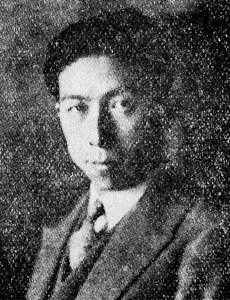
hashimoto kunihiko
1904 - 1949 , Japan
Quick Facts
- Artistic Movement Or Style: Eastern and Western influences
- Artists Or Movements Influenced By This Artist:
- Alban Berg
- Wilhelm Furtwängler
- Bruno Walter
- Artists Who Influenced This Artist:
- Egon Wellesz
- Arnold Schoenberg
- Date Of Birth: September 14, 1904
- Date Of Death: May 6, 1949
- Full Name: Hashimoto Kunihiko
- Nationality: Japanese
- Notable Artworks:
- Symphony No. 1
- Symphonic Suite Heavenly Maiden and the Moon
- Place Of Birth: Tokyo, Japan

