 Preview
 Send
Send Share
Share
 Details

 Download
 Similars
 X-Ray
X-Ray Diaporama
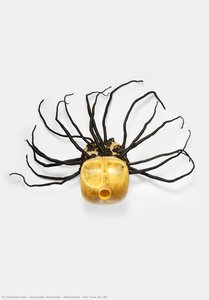
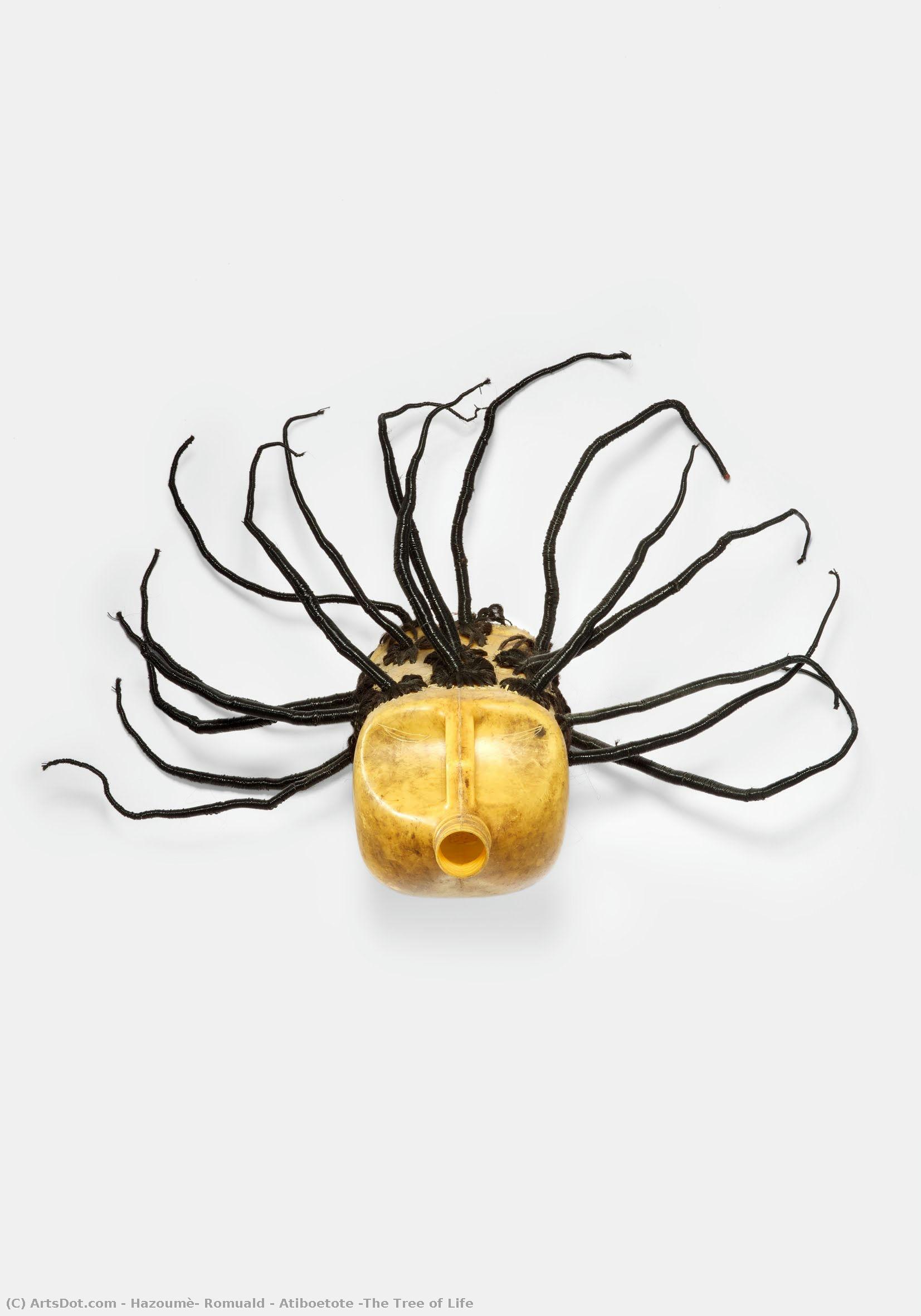
Atiboetote (The Tree of Life
 1994
1994 40.0 x 70.0 cm
 Read More
Hand Made Oil Reproduction
Hand-painted oil on canvas in your size and frame, made to order by our artists. ( Buy Print Buy Image)




































Pick from our preset sizes that match the artwork's original proportions.

You may enter your own dimensions to fit a specific frame or space. If your selected size does not match the original image's proportions, we will either crop the artwork or extend the painting with additional hand-painted elements. A digital mockup will be sent for your approval before production begins.
Please note that the on-screen preview does not reflect the actual cropping or extension. Only the mockup will accurately show the final composition.
While custom sizes are available, we recommend selecting a dimension from the predefined list to preserve the original proportions.
After order, ArtsDot.com team will email client for instructions and provide a mockup preview
Worldwide Delivery () in 3/4 weeks instead of standard 5 weeks. (26 August). No compromise on quality.

Free Worldwide Express Shipping

High-Quality Linen Canvas

Full Shipping Insurance

Customs Tax Refund Guarantee

True Color Matching Guarantee

60-Day Return Policy (Defects Only)

100% Money-Back Guarantee

Bulk Discount Offer
 Glass option is only available in size under 110 CM

Atiboetote (The Tree of Life
Reproduction Medium
Reproduction Size
-


Total Price
$ 263
Artwork Description
Related Artworks

Artist Biography
Romuald Hazoumè: A Voice of Yoruba Heritage and Critique
Romuald Hazoumè, born in Porto Novo, Benin in 1962, stands as a prominent figure within contemporary African art, recognized for his distinctive approach to sculpture and mask making—a practice deeply rooted in Yoruba traditions. His artistic vision transcends mere aesthetic beauty; it’s imbued with a potent critique of consumer culture and a profound engagement with the legacy of colonialism and slavery. Hazoumè's work powerfully communicates these themes through innovative use of recycled materials, transforming discarded objects into monumental forms that resonate with spiritual significance.- Early Life & Artistic Beginnings: Hazoumè’s formative years were spent in Benin, where he absorbed the rich cultural heritage of the Yoruba people—a tradition characterized by elaborate rituals and symbolic imagery. These influences are immediately apparent in his artistic style, which prioritizes storytelling and conveying complex ideas through visual language.
- The Iconic ‘La Bouche du Roi’ Hazoumè gained international acclaim with his reworking of Gustave Dore’s 1869 engraving “The Slave Ship Brookes.” This ambitious project wasn't simply a reproduction; it was an intervention—a deliberate reimagining that confronted viewers with the brutal realities of transatlantic slavery and its enduring impact on African societies. The monumental sculpture, crafted from reclaimed metal sheeting, serves as a visceral reminder of this history.
Material Innovation & Yoruba Symbolism
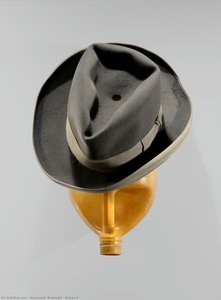
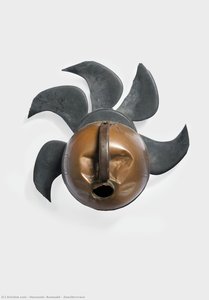
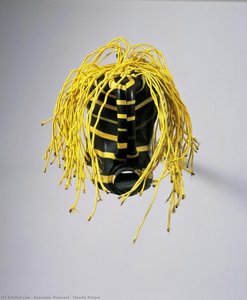
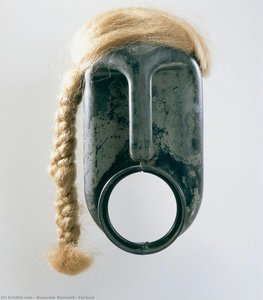
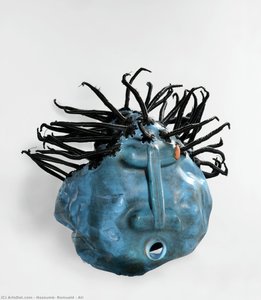
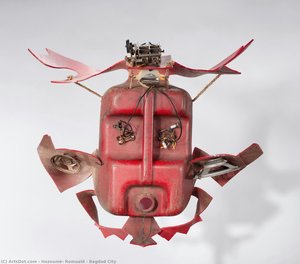
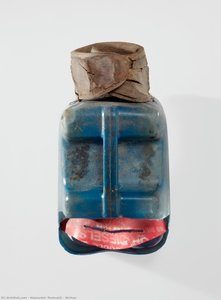
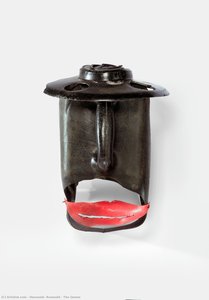
Hazoumè’s artistic process distinguishes him from many contemporary sculptors. Rather than relying on traditional materials like stone or wood, he champions the repurposing of discarded items—primarily aluminum cans and scrap metal—to create his sculptures. This decision carries significant symbolic weight, reflecting a core Yoruba belief in reincarnation and the cyclical nature of existence. The artist sees himself as “returning to the West what belongs to it,” namely “the rejection of society of consumption that invades us all.” He argues that these recycled materials embody resilience and transformation—mirroring the spirit of Yoruba cosmology.- Mask Making Tradition: Hazoumè’s artistic journey began in the mid-1980s with a series of masks crafted from repurposed gasoline canisters. These masks are not merely decorative objects; they are conduits for ancestral spirits and instruments of ritual performance—practices central to Yoruba religious life. The artist meticulously replicates traditional mask designs, honoring the heritage of his culture while simultaneously questioning established artistic conventions.
Recognition & Influence
Hazoumè’s work has garnered considerable attention within the international art community and is featured prominently in Jean Pigozzi's Contemporary African Art Collection (CAAC). His commitment to addressing social issues through art—particularly his critique of consumerism—has solidified his position as a leading voice in contemporary African artistic discourse. Hazoumè’s pioneering use of recycled materials has inspired artists globally, demonstrating the transformative potential of artistic practice when driven by ethical considerations and cultural awareness.Concluding Thoughts
Romuald Hazoumè's oeuvre represents more than just skillful craftsmanship; it embodies a profound engagement with history, spirituality, and social responsibility. Through his monumental sculptures and evocative masks—created from humble materials—he compels viewers to confront uncomfortable truths about colonialism, slavery, and the pervasive influence of consumer culture. His artistic legacy continues to inspire artists worldwide, reaffirming the power of art as a vehicle for cultural preservation and critical reflection.
hazoumè, romuald
1962 - , Benin
Quick Facts
- Artistic Movement Or Style: Contemporary African Art
- Date Of Birth: 1962
- Full Name: Romuald Hazoumè
- Nationality: Beninese
- Notable Artworks:
- La Bouche du Roi
- Atchao
- Zanzibrrrrace
- Place Of Birth: Porto Novo, Benin