 Preview
 Send
Send Share
Share
 Details

 Download
 Similars
 X-Ray
X-Ray Diaporama
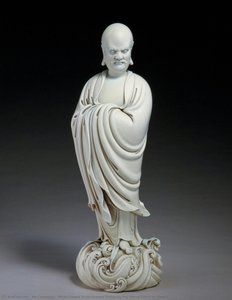
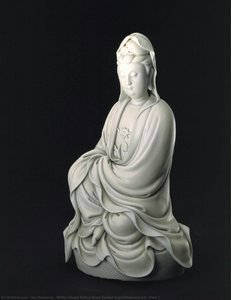
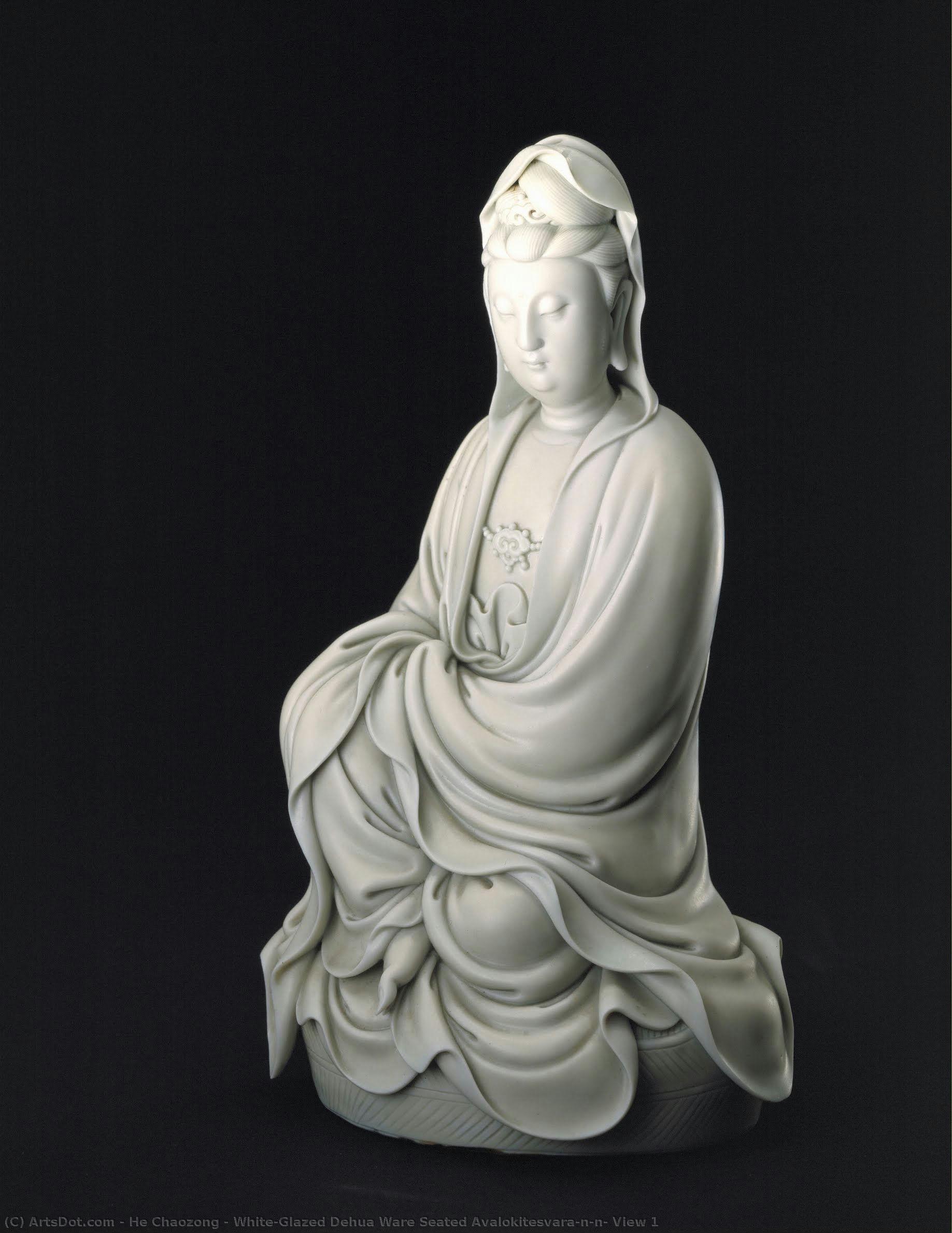
White-Glazed Dehua Ware Seated Avalokitesvara\n\n- View 1
 Read More
Giclée / Art Print
Museum-quality giclée or canvas print with fast production and flexible finish options. ( Buy Hand Made Painting Buy Image)




































Pick from our preset sizes that match the artwork's original proportions.

You may enter your own dimensions to fit a specific frame or space. If your selected size does not match the original image's proportions, we will either crop the artwork or extend the image with a mirrored or solid-fill edge. A digital mockup will be sent for your approval before production begins.
Please note that the on-screen preview does not reflect the actual cropping or extension. Only the mockup will accurately show the final composition.
While custom sizes are available, we recommend selecting a dimension from the predefined list to preserve the original proportions.
Worldwide Delivery () in 2 weeks instead of standard 4/5 weeks. (24 August)

Free Worldwide Express Shipping

High-Quality Linen Canvas

Full Shipping Insurance

Customs Tax Refund Guarantee

True Color Matching Guarantee

60-Day Return Policy (Defects Only)

100% Money-Back Guarantee

Bulk Discount Offer
 Glass option is only available in size under 110 CM

White-Glazed Dehua Ware Seated Avalokitesvara\n\n- View 1
Giclée / Art Print
Reproduction Size
-


Total Price
$ 63
Collectible Description
Related Artworks






Artist Biography
He Chaozong: The Silent Master of Blanc-de-Chine
The world of 17th-century Chinese ceramics holds a profound mystery, and within that realm, few figures are as enigmatic and revered as He Chaozong. More than just a potter; he was a sculptor of light and shadow, a master of texture and form, whose exquisite blanc-de-chine Buddhist statues continue to captivate collectors and scholars alike. Born in the late Ming dynasty, during a period of immense political upheaval and artistic experimentation, He Chaozong’s legacy rests largely on his remarkable skill and the scarcity of direct documentary evidence surrounding his life – a testament to both his exceptional talent and the relative anonymity afforded to artisans within the vast imperial workshops of the time. His work stands apart from the more standardized productions of the Dehua kilns, exhibiting an unparalleled level of artistic expression and a deeply personal touch that has secured his place as one of China’s most significant ceramic artists.
The Dehua Legacy and Early Training
He Chaozong’s artistry flourished within the renowned Dehua kilns, located in Fujian Province – a region already celebrated for its exceptional porcelain. The Dehua kilns were particularly famed for their “blanc-de-chine,” a translucent white porcelain prized by Western collectors and connoisseurs. However, He Chaozong didn't simply replicate existing styles; he elevated them to new heights of sophistication. While the Dehua kilns had long been producing Buddhist statues, He Chaozong’s sculptures possessed a distinct character – a sense of depth, volume, and emotional resonance that set them apart from the more formally executed pieces produced during that era. It is believed he received his initial training within the established workshops of Dehua, absorbing the techniques and traditions of generations of potters. However, it was through his own meticulous observation, experimentation, and innate artistic sensibility that He Chaozong developed his unique style.
A Style Defined by Depth and Emotion
What distinguishes He Chaozong’s work is not merely the technical mastery of porcelain – though this was undoubtedly exceptional. It lies in the profound emotional depth conveyed through his sculptures. His figures, particularly those depicting Bodhisattvas like Guanyin (Avalokitesvara) and Manjusri, are imbued with a sense of serenity, compassion, and quiet contemplation. The thick, lustrous glaze of the blanc-de-chine creates an ethereal quality, highlighting the subtle nuances of form and expression. The carving is remarkably detailed, capturing the folds of robes, the delicate features of faces, and the intricate patterns adorning garments – all rendered with a remarkable sensitivity to texture and light. Unlike many contemporary Dehua sculptures which were often characterized by flowing, stylized robes, He Chaozong’s figures possess a more grounded, realistic quality, lending them an air of dignified solemnity.
The Seal and the Revival
Adding to the intrigue surrounding He Chaozong is the presence of his seal – often impressed in reverse – on many of his works. This practice, documented by scholars like Blumenfield, suggests that seals were used not only as signatures but also as a form of branding, particularly during periods when individual attribution was less common. The discovery of reversed seals on pieces attributed to He Chaozong has fueled ongoing debate among experts, with some suggesting they represent later imitations or works created by disciples attempting to emulate the master’s style. Interestingly, in the late 19th and early 20th centuries, a revival of He Chaozong's manner emerged, spearheaded by ceramicist Su Xuejin, who meticulously recreated the artist’s distinctive style. This revival demonstrates the enduring appeal of He Chaozong’s work and its continued influence on Chinese porcelain art.
Legacy and Significance
Despite the relative lack of biographical information, He Chaozong's impact on Chinese ceramic history is undeniable. His sculptures represent a pinnacle of blanc-de-chine artistry – a testament to the skill, sensitivity, and artistic vision of a truly exceptional craftsman. His works are now prized by museums and private collectors worldwide, serving as windows into a fascinating period of Chinese art and culture. The enduring mystery surrounding his life only adds to the allure of He Chaozong, solidifying his position as one of China’s most enigmatic and celebrated ceramic masters – a silent voice whose artistry continues to resonate across centuries.
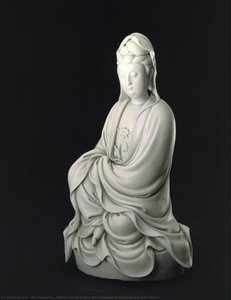
he chaozong
China
Quick Facts
- Artistic Movement Or Style: Blanc-de-Chine
- Artists Or Movements Influenced By This Artist: ['Dehua Kiln']
- Full Name: He Chaozong
- Nationality: Chinese
- Notable Artworks:
- Bodhidharma Statue
- Avalokitesvara Statue
- Place Of Birth: Dehua, Fujian, China