

 Preview
 Send
Send Share
Share
 Details

 Download
 Similars
 X-Ray
X-Ray Diaporama
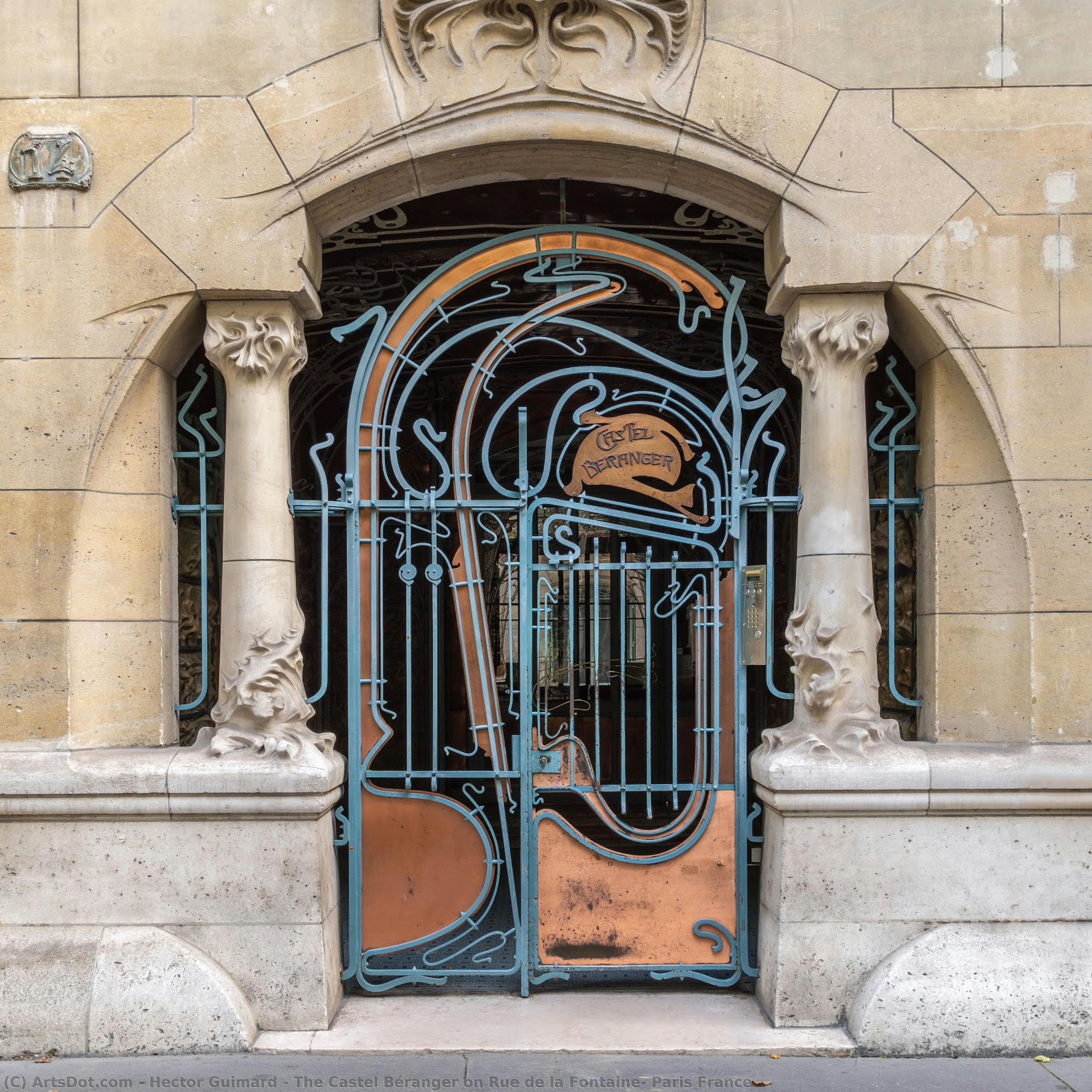
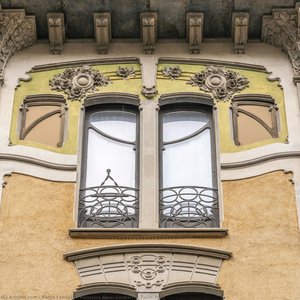
The Castel Béranger on Rue de la Fontaine, Paris France


 Read More
Purchase a high-resolution, enhanced digital image, far superior to the online preview.
Each file is meticulously prepared by our in-house specialists using advanced tools and expert manual retouching. We ensure every image has exceptional clarity, precise color accuracy, and fine detail.
The final file is delivered via email within 72 hours, optimized for immediate use in professional, editorial, and print environments. This is the same quality trusted by top-tier design studios, publishers, and galleries.
Digital Image
Download a high-resolution file for personal display, printing, and creative projects. ( Buy Print Buy Hand Made Painting)
Included in Every Digital Image Order
Expert Digital Delivery, Guaranteed
When you choose ArtsDot.com, you're not just getting an image - you're receiving a professionally enhanced digital artwork, crafted with precision and backed by a satisfaction guarantee. Here's everything that comes with your order, automatically:

Fast Email Delivery
Your high-resolution digital image file will be emailed to you within 72 hours of ordering - ready for immediate use.

AI-Enhanced Digital File
Your artwork is professionally optimized using advanced AI tools and manual editing, ensuring maximum detail, clarity, and color accuracy.

Free Lifetime Re-Delivery
Accidentally deleted or lost your file? No worries - we'll resend it to you anytime, free of charge.

No Import Fees - Ever
Enjoy your artwork instantly with zero customs, duties, or delivery fees - digital downloads are always tax-free.

Color Accuracy Guarantee
We ensure your digital image reflects the original colors as closely as possible using professional tools and color management.

60-Day Satisfaction Guarantee
If you're not satisfied with your digital image, we'll revise it or refund 100% within 60 days - no questions asked.

100% Money-Back Guarantee
Not satisfied? Get a full refund within 60 days of receiving your digital file - no questions asked.

Bulk Order Discounts
Buy 3 images, save 10% - Buy 5, save 15% - Buy 10+, save 20%. Great for creative projects, galleries, and agencies.
The Castel Béranger on Rue de la Fontaine, Paris France – A Vision of Organic Ornamentation
Hector Guimard’s “The Castel Béranger on Rue de la Fontaine, Paris France” stands as a cornerstone of Art Nouveau architecture and arguably its most recognizable visual manifestation. Completed in 1895-1898, this unassuming residential building belies the profound artistic statement it represents—a deliberate rejection of academic conventions in favor of embracing the principles championed by Guimard himself: fluidity, asymmetry, and an unwavering devotion to natural forms.
- Subject Matter: The painting depicts a monumental arched doorway leading into the Castel Béranger apartment complex. It’s not merely a functional entrance; it's a sculptural element designed to captivate the eye and evoke a sense of grandeur.
- Style & Technique: Guimard’s signature Art Nouveau style is immediately apparent in every detail. The doorway utilizes cast iron, meticulously crafted with flowing lines reminiscent of vines and blossoms—a technique perfected by Guimard himself, who famously declared, “I want to make iron sing.” The surface texture is deliberately rough, mirroring the natural world and rejecting polished surfaces favored by earlier artistic movements.
- Historical Context: Constructed during Paris’s Belle Époque, "The Castel Béranger" embodies the optimism and dynamism of the era—a period marked by rapid industrialization and burgeoning cultural innovation. Guimard sought to elevate urban living through design, creating a space that harmonized with its surroundings while simultaneously expressing artistic ideals.
Symbolism & Emotional Impact: Beyond its aesthetic beauty, the doorway carries significant symbolic weight. The iron bars are not simply structural supports; they’re stylized representations of branches intertwined—a visual metaphor for growth and resilience. Guimard deliberately chose blue metal as a color palette element, referencing the Mediterranean sky and symbolizing tranquility and aspiration. Viewing this artwork evokes feelings of wonder and admiration for Guimard's masterful manipulation of materials and form.
- Material Considerations: The photograph captures the original painting’s textured ironwork with remarkable clarity, allowing viewers to appreciate the craftsmanship involved.
- Interior Design Inspiration: Designers can draw inspiration from Guimard’s approach to ornamentation—incorporating flowing lines and organic motifs into contemporary interiors to create spaces that are both elegant and emotionally resonant.
“The Castel Béranger on Rue de la Fontaine, Paris France” is more than just a building; it's a testament to Guimard’s artistic vision—a celebration of beauty born from innovation and rooted in the enduring power of nature.
Related Artworks


Artist Biography
The Poet of Iron and Glass: The Life of Hector Guimard
Hector Guimard (1867-1942) stands as a singular figure in the annals of Art Nouveau architecture, embodying its ethos of organic form and flowing lines—a testament to the transformative power of design. Born in Lyon, France, he pursued his artistic education at the École des Beaux-Arts and later honed his skills at the School of Decorative Arts, establishing himself as both a craftsman and an innovator within the burgeoning Parisian avant-garde movement. His career spanned decades, leaving behind an indelible mark on the cityscape and shaping perceptions of beauty and functionality through a lens that merged the industrial with the biological.
Guimard’s artistic journey began amidst the fervor of Impressionism and Japonisme, absorbing stylistic cues from these movements that would ultimately coalesce into his distinctive vision. However, it was Castel Béranger—the inaugural apartment building in Paris—that cemented his reputation as a pioneer of Art Nouveau. Selected from a competitive design brief in 1899, Guimard’s audacious proposal captivated judges with its innovative use of ironwork and glass, establishing it as the first true exemplar of this revolutionary style. The building's undulating façade, adorned with stylized floral motifs and intricate geometric patterns—a deliberate rejection of rigid classical forms—became a symbol of artistic aspiration and signaled a decisive break from traditional architectural conventions.
A Legacy Written in the Streets of Paris
Guimard’s fame ascended to unparalleled heights thanks to his involvement in the construction of Paris’s first underground railway stations. Between 1890 and 1930, he designed approximately fifty metro entrances and over one hundred and forty-one station halls—a monumental undertaking that profoundly impacted the city's visual landscape and cultural identity. These structures are instantly recognizable for their graceful arches crafted from cast iron, which seem to emerge from the earth like skeletal vines or exotic flora. Through these entrances, Guimard brought high art to the masses, turning a utilitarian transit system into an immersive gallery of organic modernism.
Beyond the grand scale of urban architecture, Guimard’s genius extended into the intimate realms of interior design and decorative arts. He believed that a cohesive aesthetic should permeate every aspect of life, from the structural bones of a building to the smallest household object. His work often featured:
- Furniture Design: Pieces such as his Bench for a Smoking Parlour (1897) demonstrate how he applied the same sinuous, whip-lash curves found in his architecture to functional wooden forms, creating an atmosphere of luxurious, naturalistic elegance.
- Metalwork and Ironwork: His mastery over cast iron allowed him to manipulate hard, industrial materials into soft, fluid shapes that mimicked the growth patterns of plants.
- Integrated Ornamentation: In works like the entrance to Castel Béranger, he utilized elegant blue metal bars and intricate decorative elements to create a rhythmic, visual melody across the building's surface.
The Enduring Spirit of Art Nouveau
The historical significance of Hector Guimard lies in his ability to bridge the gap between the craftsmanship of the past and the industrial possibilities of the future. While his style was deeply rooted in the natural world, his use of mass-produced materials like iron and glass anticipated the functionalist movements that would follow. He did not merely decorate buildings; he breathed life into them, creating environments that felt as though they were breathing alongside their inhabitants.
Though the era of Art Nouveau eventually gave way to the more rigid geometries of Art Deco and Modernism, Guimard's influence remains etched into the very soul of Paris. His ability to transform the urban environment into a poetic landscape of iron and glass ensures that he is remembered not just as an architect, but as a visionary who taught the modern world how to find beauty in the organic flow of life.
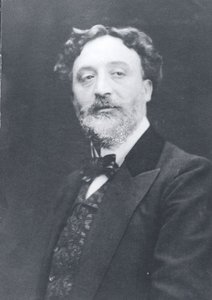
Hector Guimard
1867 - 1942 , France
Quick Facts
- Artistic Movement Or Style: Art Nouveau
- Artists Who Influenced This Artist:
- Gustav Eiffel
- Victor Horta
- Date Of Birth: March 10, 1867
- Date Of Death: May 20, 1942
- Full Name: Hector Guimard
- Nationality: French
- Notable Artworks:
- Madame Guimard’s Bedroom
- Grids for the Paris Métro
- Place Of Birth: Lyon, France

