 Preview
 Send
Send Share
Share
 Details

 Download
 Similars
 X-Ray
X-Ray Diaporama
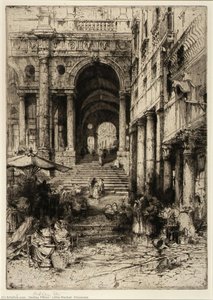
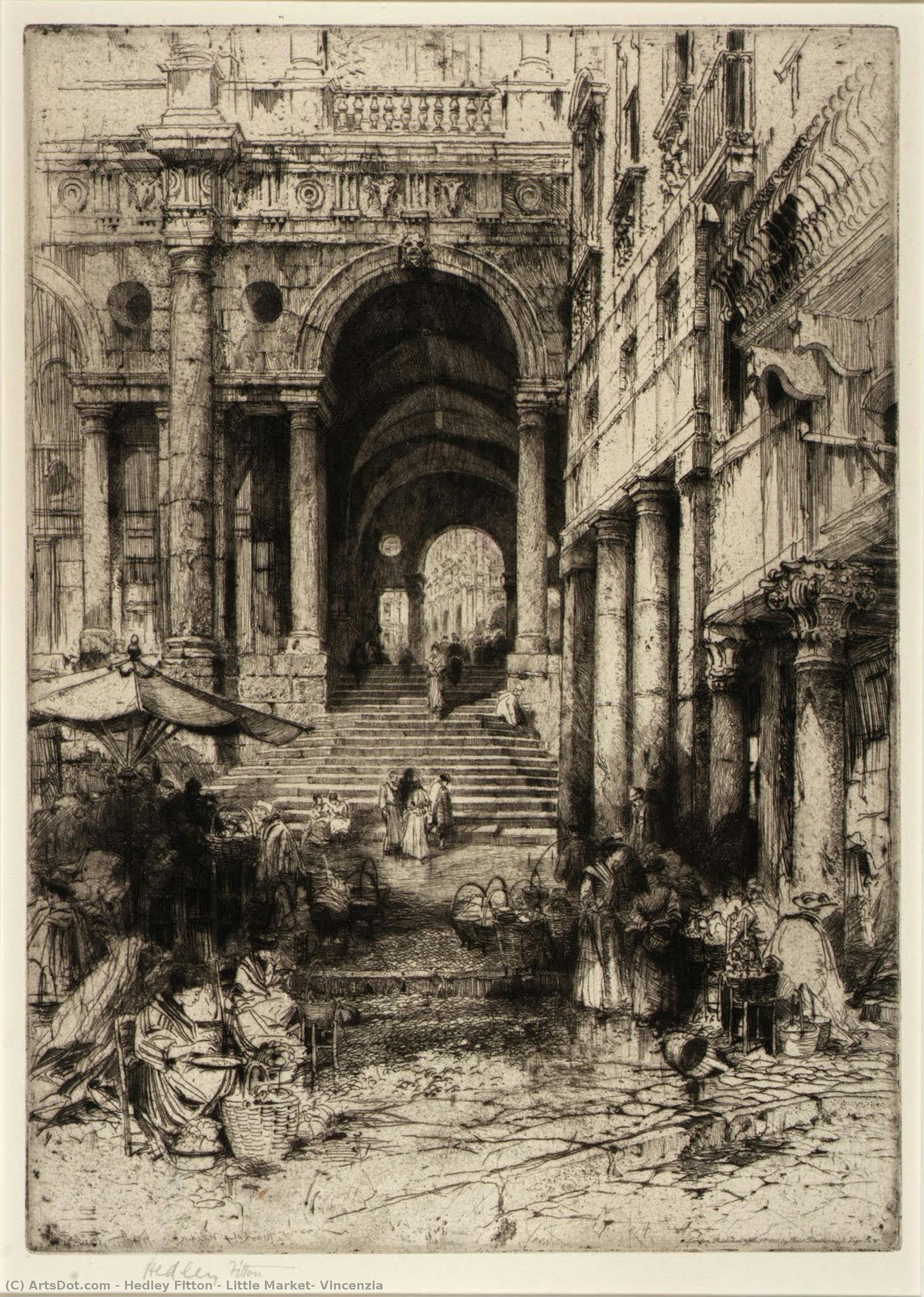
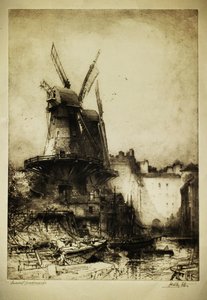
Little Market, Vincenzia


 Read More
Giclée / Art Print
Museum-quality giclée or canvas print with fast production and flexible finish options. ( Buy Hand Made Painting Buy Image)




































Pick from our preset sizes that match the artwork's original proportions.

You may enter your own dimensions to fit a specific frame or space. If your selected size does not match the original image's proportions, we will either crop the artwork or extend the image with a mirrored or solid-fill edge. A digital mockup will be sent for your approval before production begins.
Please note that the on-screen preview does not reflect the actual cropping or extension. Only the mockup will accurately show the final composition.
While custom sizes are available, we recommend selecting a dimension from the predefined list to preserve the original proportions.
Worldwide Delivery () in 2 weeks instead of standard 4/5 weeks. (17 August)

Free Worldwide Express Shipping

High-Quality Linen Canvas

Full Shipping Insurance

Customs Tax Refund Guarantee

True Color Matching Guarantee

60-Day Return Policy (Defects Only)

100% Money-Back Guarantee

Bulk Discount Offer
 Glass option is only available in size under 110 CM

Little Market, Vincenzia
Giclée / Art Print
Reproduction Size
-


Total Price
$ 63
Related Artworks
Artist Biography
The Architectural Vision of Hedley Fitton
In the delicate dance of needle and plate, Hedley Fitton found a language capable of translating the monumental weight of history into the ethereal realm of paper. An English engraver and printmaker of profound precision, Fitton possessed a rare ability to capture not merely the physical dimensions of stone and mortar, but the very soul of the structures he depicted. His life, spanning from the late Victorian era through the early twentieth century, was a testament to the enduring power of architectural observation. Through his mastery of etching, he transformed the grand catheduarals and bustling street scenes of Europe into intimate, tonal explorations of light and shadow, leaving behind a legacy that celebrates the intricate beauty of the built environment.
Born in Didsbury, Manchester, around 1858, Fitton’s artistic journey began with a rigorous foundation at the Warrington School of Art. It was here that he cultivated the disciplined eye necessary for the exacting demands of printmaking. His early training instilled in him a reverence for detail, a quality that would become his hallmark. As his skills matured, so too did his horizons; Fitton’s travels through England, Scotland, France, and Italy provided him with an inexhaustible reservoir of subject matter. He moved through the great cities of Europe—London, Florence, Edinburgh, and Paris—not merely as a tourist, but as a chronicler of permanence, seeking out the venerable landmarks that defined the cultural landscape of his age.
Mastery of Technique and Tonal Depth
What distinguishes Fitton’s work from the mere topographical recording of buildings is his sophisticated command of etching techniques. He was a master of combining hard and soft grounds on his plates, a method that allowed him to achieve an extraordinary range of textures. This technical dexterity enabled him to replicate the ruggedness of weathered stone alongside the delicate, lace-like intricacy of Gothic tracery. In works such as The Rose Window at Notre Dame Cathedral, one can witness the breathtaking way he manipulated light, using varying depths of line to create a sense of luminous translucency that seems to glow from within the paper.
His ability to render atmosphere was equally profound. Whether capturing the quiet dignity of The Pantheon, Rome or the nostalgic charm of The Two Mills on the English coast, Fitton utilized tonal nuance to evoke a specific emotional resonance. His etchings are never static; they possess a rhythmic quality, where the interplay of deep blacks and silvery greys suggests the movement of clouds, the passage of time, and the shifting moods of the daylight. This mastery earned him significant international recognition, most notably in 1907, when the Société des Artistes Français awarded him a gold medal, cementing his status among the elite engravers of his generation.
A Lasting Legacy of Printmaking
Beyond the technical brilliance of his etchings, Fitton’s work holds immense historical significance as a visual record of a vanishing era. His prints serve as windows into the architectural splendor of the late nineteenth and early twentieth centuries, capturing landmarks in states of pristine majesty before the scars of modern conflict and urban transformation took hold. His career, which saw him working as an illustrator for The Daily Chronicle in Manchester and later settling in Haslemere, Surrey, reflects the industrious spirit of a professional artist deeply integrated into the cultural fabric of his time.
Today, the works of Hedley Fitton continue to resonate within the collections of prestigious institutions such as the National Gallery of Art and the Art Institute of Chicago. He remains a celebrated figure for those who find beauty in the structural harmony of the world. His contribution to the art of printmaking lies in his ability to bridge the gap between the monumental and the minute, proving that through the careful application of ink and acid, even the most massive cathedral can be rendered with a tenderness that touches the human heart.
Hedley Fitton
1857 - 1929 , United Kingdom
Quick Facts
- Artistic Movement Or Style: Etching
- Artists Or Movements Influenced By This Artist: ['Art Nouveau']
- Artists Who Influenced This Artist: ['Royal Academy']
- Date Of Birth: London, UK (1857)
- Date Of Death: 1929
- Full Name: Hedley Fitton
- Nationality: British
- Notable Artworks:
- Little Market, Vincenzia
- The Pantheon, Rome
- The Rose Window, Notre Dame
- The Two Mills
- Place Of Birth: London