 Preview
 Send
Send Share
Share
 Details

 Download
 Similars
 X-Ray
X-Ray Diaporama
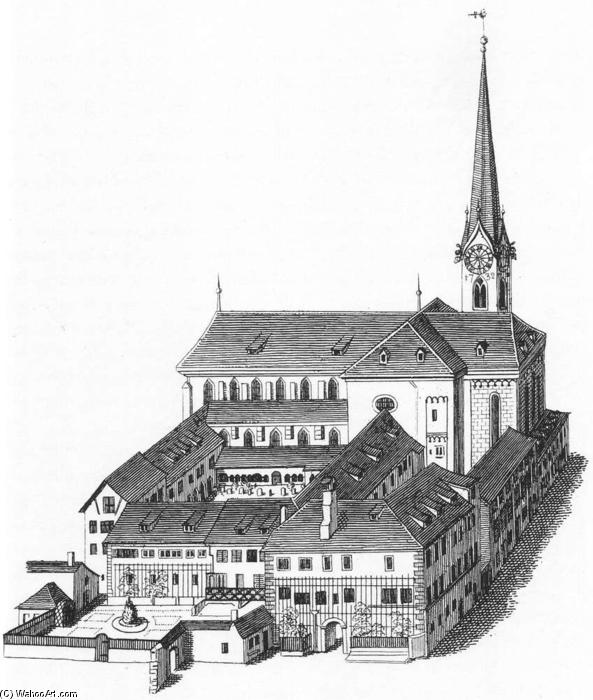
The Fraumünsterkirche in Zurich

 Read More
Giclée / Art Print
Museum-quality giclée or canvas print with fast production and flexible finish options. ( Buy Hand Made Painting Buy Image)




































Pick from our preset sizes that match the artwork's original proportions.

You may enter your own dimensions to fit a specific frame or space. If your selected size does not match the original image's proportions, we will either crop the artwork or extend the image with a mirrored or solid-fill edge. A digital mockup will be sent for your approval before production begins.
Please note that the on-screen preview does not reflect the actual cropping or extension. Only the mockup will accurately show the final composition.
While custom sizes are available, we recommend selecting a dimension from the predefined list to preserve the original proportions.
Worldwide Delivery () in 2 weeks instead of standard 4/5 weeks. (29 August)

Free Worldwide Express Shipping

High-Quality Linen Canvas

Full Shipping Insurance

Customs Tax Refund Guarantee

True Color Matching Guarantee

60-Day Return Policy (Defects Only)

100% Money-Back Guarantee

Bulk Discount Offer
 Glass option is only available in size under 110 CM

The Fraumünsterkirche in Zurich
Giclée / Art Print
Reproduction Size
-


Total Price
$ 63
Related Artworks

Artist Biography
The Visionary of Form and Ornament: The Life of Heinrich Keller
In the grand tapestry of European art history, few figures bridge the gap between sculptural solidity and painterly illusion as masterfully as Heinrich Keller. Born in 1906 in Zurich, Keller’s early life was steeped in the tactile language of form. As the son of the sculptor Johann Keller, his very first lessons in aesthetics were not merely about color or light, but about the weight, texture, and presence of material. This foundational understanding of three-dimensional space would later become the secret ingredient in his most celebrated works, allowing him to breathe a sense of physical reality into the two-dimensional realms of wall decoration and painting.
Keller’s journey was one of movement and expansion, stretching from the heart of Switzerland to the vibrant artistic hubs of the Northern Netherlands. His relocation to The Hague marked a transformative period in his career, where he transitioned from a student of form to a master of instruction. By teaching at prestigious institutions such as Dirk van der Ser Aa’s Academy and Cornelis Kuipers’, Keller did more than just impart technical skills; he became a vital conduit for the continuation of classical excellence, nurturing a new generation of artists who would carry his dedication to meticulous craftsmanship into the modern era.
A Master of Baroque Illusion and Theatricality
The true brilliance of Keller’s oeuvre lies in his ability to transform static architecture into living, breathing drama. He found his greatest calling in the genre of wall decoration, a medium that reached its zenith during the Baroque era. Keller did not merely paint walls; he orchestrated theatrical experiences. His commissions for prominent mansions allowed him to employ a technique of profound illusionism, where the boundaries between the physical room and the painted scene dissolved entirely.
One of his most breathtaking achievements can be found within the halls of what is now the Escher Museum. Here, Keller painstakingly recreated the haunting, psychological landscapes of Shakespeare’s greatest tragedies. Through his brush, the tragic figures of Hamlet and Macbeth were brought to life, not as mere illustrations, but as integral parts of the room's very atmosphere. This ability to marry literary depth with visual splendor was matched by his work at Het Lou Palace. In this setting, he showcased a different facet of his mastery, utilizing intricate floral motifs and gilded embellishments to create spaces that felt both opulent and organic, demonstrating an unparalleled command over color palettes and textural surfaces.
Legacy of Realism and Expressive Dynamism
What distinguishes Heinrich Keller from the more restrained movements of his time was his unwavering commitment to a style that blended rigorous realism with an infectious, expressive dynamism. While others sought the comfort of simplicity, Keller embraced the complexity of the Baroque, prioritizing the emotional impact of movement and light. His work serves as a testament to the power of detail—the way a single gilded edge or a carefully shaded petal can elevate a space from a mere room to a sanctuary of art.
As we reflect on his historical significance, Keller emerges not just as a decorator, but as an architect of atmosphere. His legacy remains etched in the very walls of the European institutions he adorned, reminding us that true art has the power to reshape our perception of reality. Through his unique blend of sculptural heritage and painterly virtuosity, Heinrich Keller ensured that the grandeur of the Baroque spirit would continue to resonate long after his passing in 1990.
Heinrich Keller
1906 - 1990 , Germany
Quick Facts
- Artistic Movement Or Style: Wall Decorations Art
- Artists Or Movements Influenced By This Artist: ['']
- Artists Who Influenced This Artist: ['']
- Date Of Birth: 1906
- Date Of Death: 1990
- Full Name: Johann Heinrich Keller
- Nationality: German
- Notable Artworks:
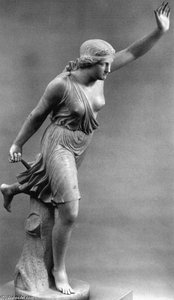
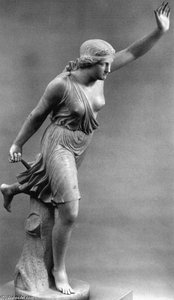
- Atalanta
- Silver salt cellar decorated with mascarons and dogs
- Place Of Birth: Frankfurt, Germany