

 Preview
 Send
Send Share
Share
 Details

 Download
 Similars
 X-Ray
X-Ray Diaporama
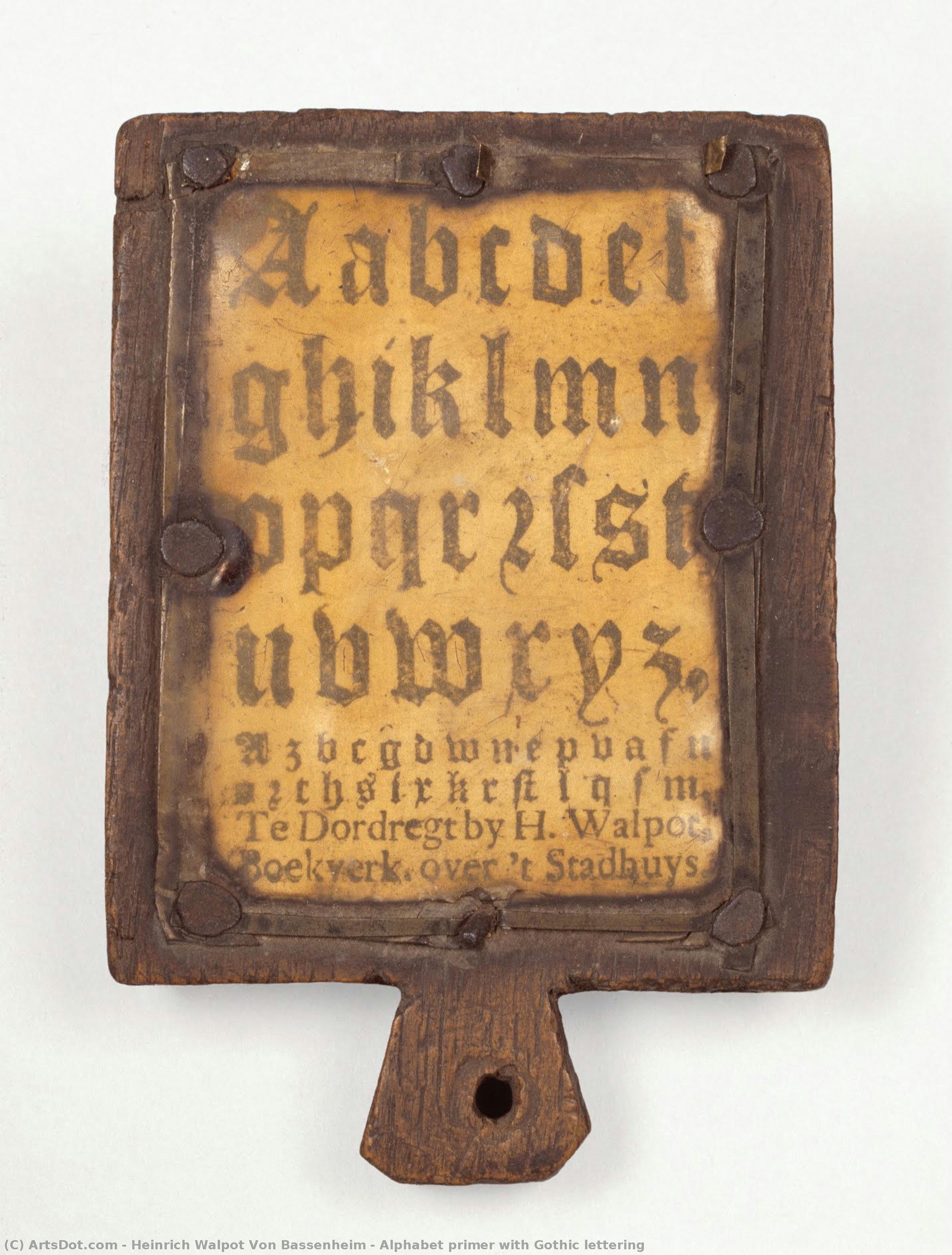
Alphabet primer with Gothic lettering


 Read More
Purchase a high-resolution, enhanced digital image, far superior to the online preview.
Each file is meticulously prepared by our in-house specialists using advanced tools and expert manual retouching. We ensure every image has exceptional clarity, precise color accuracy, and fine detail.
The final file is delivered via email within 72 hours, optimized for immediate use in professional, editorial, and print environments. This is the same quality trusted by top-tier design studios, publishers, and galleries.
Digital Image
Download a high-resolution file for personal display, printing, and creative projects. ( Buy Print Buy Hand Made Painting)
Included in Every Digital Image Order
Expert Digital Delivery, Guaranteed
When you choose ArtsDot.com, you're not just getting an image - you're receiving a professionally enhanced digital artwork, crafted with precision and backed by a satisfaction guarantee. Here's everything that comes with your order, automatically:

Fast Email Delivery
Your high-resolution digital image file will be emailed to you within 72 hours of ordering - ready for immediate use.

AI-Enhanced Digital File
Your artwork is professionally optimized using advanced AI tools and manual editing, ensuring maximum detail, clarity, and color accuracy.

Free Lifetime Re-Delivery
Accidentally deleted or lost your file? No worries - we'll resend it to you anytime, free of charge.

No Import Fees - Ever
Enjoy your artwork instantly with zero customs, duties, or delivery fees - digital downloads are always tax-free.

Color Accuracy Guarantee
We ensure your digital image reflects the original colors as closely as possible using professional tools and color management.

60-Day Satisfaction Guarantee
If you're not satisfied with your digital image, we'll revise it or refund 100% within 60 days - no questions asked.

100% Money-Back Guarantee
Not satisfied? Get a full refund within 60 days of receiving your digital file - no questions asked.

Bulk Order Discounts
Buy 3 images, save 10% - Buy 5, save 15% - Buy 10+, save 20%. Great for creative projects, galleries, and agencies.
Related Artworks










Artist Biography
The Enigmatic Vision of the Unknown Painter
The identity of “the Unknown Painter,” as he’s often referred to, remains one of art history's most enduring mysteries. Born sometime in the early 13th century – a precise date lost to time – his work emerged from the turbulent and transformative period following the decline of the Roman Empire and the rise of burgeoning European city-states. Little is definitively known about his life beyond fragmented records suggesting he was active primarily in Northern Italy, possibly around the region of Lombardy or perhaps even Tuscany. His output, a collection of approximately 60 paintings predominantly executed on wood panels, offers a remarkably consistent style and subject matter, fueling speculation about his origins and artistic influences.
What distinguishes the Unknown Painter’s work is its unsettling blend of realism and symbolic representation. His figures – often depicting biblical scenes, portraits of local nobility, or allegorical representations of virtue and vice – possess a startlingly lifelike quality. The meticulous detail in their rendering of clothing, facial features, and even subtle expressions suggests a deep understanding of human anatomy and observation. However, these realistic depictions are consistently overlaid with layers of symbolic meaning. Animals frequently appear, not merely as decorative elements but as potent emblems carrying specific theological or moral weight. The use of color is restrained – predominantly earth tones, blues, and reds – yet each hue seems carefully chosen to amplify the narrative’s emotional impact.
A Tapestry of Influences
Pinpointing the precise influences on the Unknown Painter's style remains a challenging endeavor. While his work bears some resemblance to Byzantine iconography prevalent at the time—particularly in its use of hierarchical composition and flattened perspective—there are also echoes of Early Gothic painting, notably in the emotional intensity conveyed through gesture and expression. Some scholars have suggested connections to Italian Renaissance proto-Renaissance artists like Giotto, pointing to a nascent interest in naturalism and psychological depth within his figures. However, the most compelling theory posits a significant influence from Islamic art, particularly the intricate geometric patterns and symbolic use of animals found in illuminated manuscripts produced during the Golden Age of Islam. The careful balance between representation and abstraction, the emphasis on narrative symbolism, and the restrained color palette all align remarkably well with artistic traditions originating across the Mediterranean.
It’s important to note that the artist's work was created during a period of intense religious fervor and political instability. The Crusades were reshaping Europe, and the authority of the Church was both challenged and reinforced. The themes explored in his paintings—faith, morality, power, and mortality—reflect these anxieties and uncertainties. His depictions of saints and biblical figures are not simply illustrations but rather complex allegories designed to instruct and inspire piety.
The Palette of Allegory
The subject matter of the Unknown Painter’s oeuvre is remarkably consistent, revolving around a core set of recurring motifs. Biblical scenes—the Annunciation, the Nativity, the Crucifixion—are frequently depicted alongside portraits of local dignitaries and members of the nobility. However, it's the allegorical panels that truly define his artistic legacy. These works, often featuring pairs of figures representing opposing virtues or vices (e.g., Justice and Fraud, Faith and Doubt), are imbued with a profound moral complexity. The figures themselves are rarely idealized; they are presented as flawed human beings grappling with difficult choices. The landscapes depicted in these panels—often bleak and desolate—further emphasize the challenges inherent in navigating the path to righteousness.
A particularly striking example is his panel depicting “Fortitude and Temperance.” The figures, rendered with remarkable realism, are shown engaged in a seemingly mundane task – tending a garden. The symbolism here is layered: the garden represents the soul, while the act of cultivating it signifies the patient and disciplined effort required to achieve inner harmony. The inclusion of thorns and weeds underscores the obstacles that must be overcome on the journey towards virtue.
Legacy and Interpretation
Despite the lack of biographical information, the Unknown Painter’s work has exerted a profound influence on subsequent generations of artists. His innovative use of symbolism, his meticulous attention to detail, and his ability to convey complex emotional states have resonated with viewers for centuries. The mystery surrounding his identity only adds to the allure of his art, prompting ongoing debate and speculation among scholars and art historians.
Modern interpretations often emphasize the artist’s role as a social commentator—a voice articulating the anxieties and uncertainties of his time. His paintings can be seen as a visual meditation on faith, morality, and the human condition. The enduring appeal of the Unknown Painter lies not only in the beauty of his art but also in its capacity to provoke reflection and inspire contemplation about the fundamental questions of life.
Today, the panels attributed to the Unknown Painter are housed primarily in European museums, offering a rare glimpse into the artistic sensibilities of a forgotten master. Their enigmatic quality continues to fascinate and challenge viewers, ensuring that the mystery surrounding this remarkable artist will endure for generations to come.
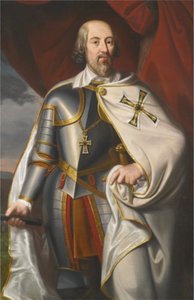
heinrich walpot von bassenheim
1200 , Italy

