 Preview
 Send
Send Share
Share
 Details

 Download
 Similars
 X-Ray
X-Ray Diaporama
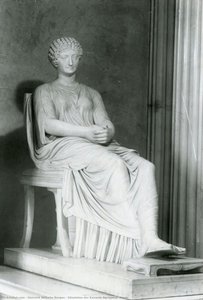
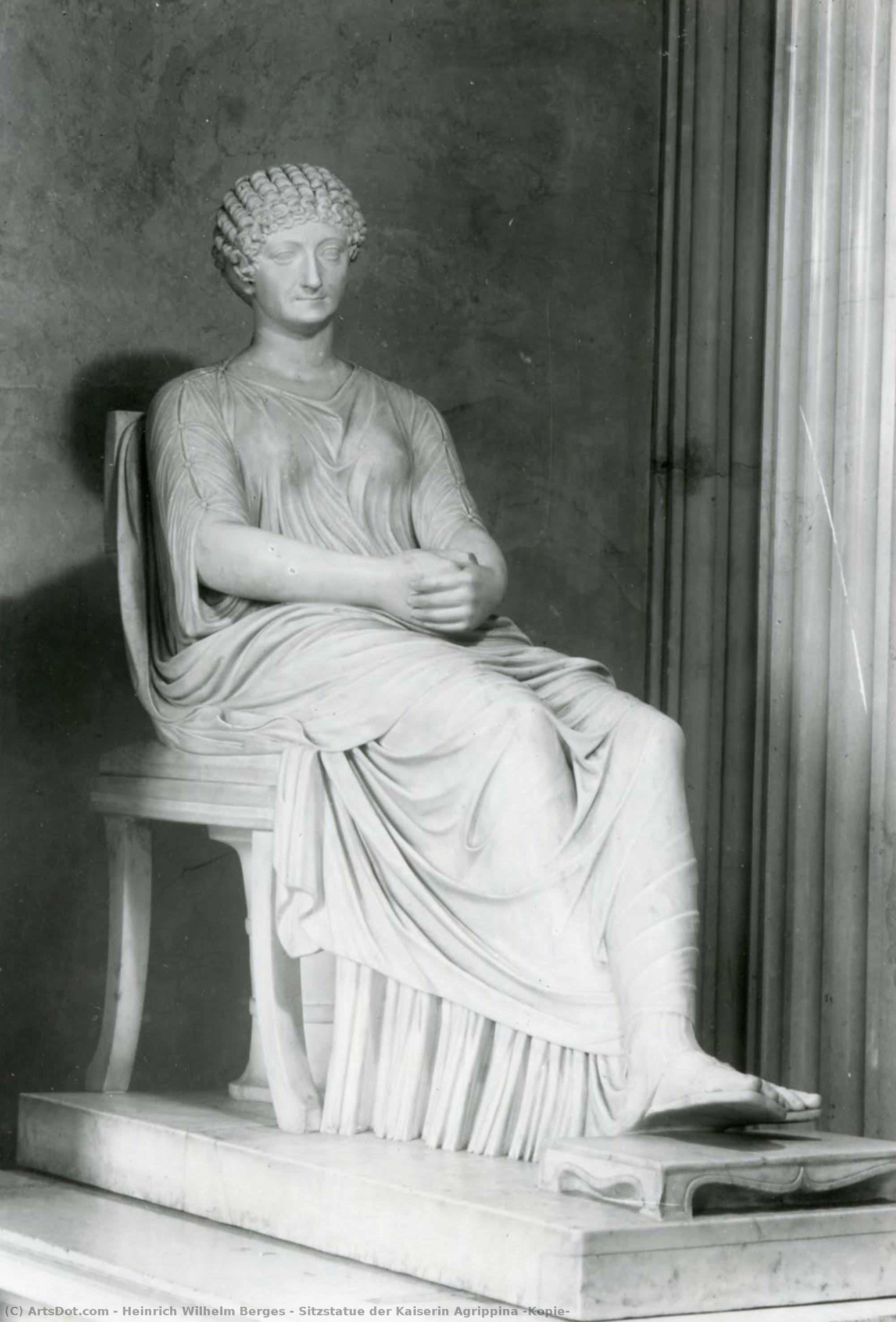
Sitzstatue der Kaiserin Agrippina (Kopie)


 Read More
Giclée / Art Print
Museum-quality giclée or canvas print with fast production and flexible finish options. ( Buy Hand Made Painting Buy Image)




































Pick from our preset sizes that match the artwork's original proportions.

You may enter your own dimensions to fit a specific frame or space. If your selected size does not match the original image's proportions, we will either crop the artwork or extend the image with a mirrored or solid-fill edge. A digital mockup will be sent for your approval before production begins.
Please note that the on-screen preview does not reflect the actual cropping or extension. Only the mockup will accurately show the final composition.
While custom sizes are available, we recommend selecting a dimension from the predefined list to preserve the original proportions.
Worldwide Delivery () in 2 weeks instead of standard 4/5 weeks. (1 September)

Free Worldwide Express Shipping

High-Quality Linen Canvas

Full Shipping Insurance

Customs Tax Refund Guarantee

True Color Matching Guarantee

60-Day Return Policy (Defects Only)

100% Money-Back Guarantee

Bulk Discount Offer
 Glass option is only available in size under 110 CM

Sitzstatue der Kaiserin Agrippina (Kopie)
Giclée / Art Print
Reproduction Size
-


Total Price
$ 63
Related Artworks






Artist Biography
Early Life and Apprenticeship in Berlin
Heinrich Wilhelm Berges, born in the vibrant artistic heart of Berlin in 1805, emerged as a significant figure within the German sculptural landscape of the early to mid-19th century. His life, tragically cut short in Rome in 1852 at the age of forty-seven, was marked by dedication to his craft and a profound respect for classical traditions. Berges’s artistic journey began with a formal apprenticeship under the renowned sculptor Christian Daniel Rauch, a pivotal figure in Berlin’s art scene. Rauch, himself deeply influenced by ancient Roman sculpture, fostered in Berges a meticulous approach to form, proportion, and detail – hallmarks of the neoclassical style. This training provided Berges with a solid foundation in technique, but also exposed him to Rauch's own distinctive artistic vision, which combined classical ideals with Romantic sensibilities. The young sculptor spent his early years diligently honing his skills within Rauch’s atelier, absorbing not only technical expertise but also a deep appreciation for the power of sculpture to convey emotion and narrative.The Influence of Thorvaldsen in Copenhagen
In 1843, Berges embarked on an important artistic pilgrimage to Copenhagen, traveling alongside August Kiss and Albert Wolff. This journey was specifically undertaken to meet Bertel Thorvaldsen, the dominant sculptor of his time and a leading proponent of neoclassical art. Thorvaldsen’s influence was immense; he had established a studio in Copenhagen that attracted artists from across Europe, fostering an environment of intense artistic exchange. Berges's visit to Thorvaldsen’s workshop marked a crucial stage in his development, exposing him to new ideas and techniques, particularly regarding the modeling of marble and the depiction of human form. The encounter with Thorvaldsen solidified Berges’s commitment to classical ideals and provided inspiration for many of his subsequent works. He observed not only the master's finished pieces but also the processes involved in their creation, gaining invaluable insight into the challenges and rewards of working with such demanding materials.Key Works and Commissions
Berges’s career produced several notable works that continue to be admired for their technical skill and evocative qualities. Perhaps the most celebrated is his portrait herm of Peter Joseph Lenné in the Park Sanssouci, a striking bronze sculpture depicting the Prussian general, capturing both his military bearing and a sense of contemplative serenity. This piece exemplifies Berges’s ability to imbue classical forms with psychological depth. His contributions to the allegorical statues within the Neues Museum in Berlin are equally significant. These monumental figures, representing various virtues and historical themes, demonstrate Berges's mastery of scale and his understanding of narrative storytelling through sculpture. Furthermore, his works within the Raffael-Saal of the Orangerieschloss in Potsdam showcase a refined elegance and an appreciation for decorative detail. He also undertook numerous commissions for the Prussian court under King Frederick William III and Frederick William IV, solidifying his reputation as a skilled and reliable artist.A Legacy of Classical Replication and Historical Significance
Beyond these major commissions, Berges dedicated himself to replicating works by other masters, notably Jean-Baptiste Pigalle and Bertel Thorvaldsen. These copies weren’t mere imitations; they were carefully considered interpretations that revealed Berges's deep understanding of the original artists’ techniques and philosophies. This practice highlights his commitment to preserving and disseminating classical ideals. Berges became a member of the Berlin Academy of Arts in 1849, further acknowledging his standing within the artistic community. While not as widely celebrated as some of his contemporaries, Heinrich Wilhelm Berges played a vital role in shaping the neoclassical aesthetic in Germany during the 19th century. His dedication to craftsmanship, combined with his sensitivity to form and narrative, ensured that his works continue to resonate with audiences today. He stands as a testament to the enduring power of classical tradition and the importance of artistic apprenticeship in fostering skill and innovation.Further Exploration
- Explore Berges’s portrait herms for their psychological depth.
- Investigate his contributions to the allegorical statues within the Neues Museum, noting the symbolism employed.
- Compare and contrast his original works with his replications of Pigalle and Thorvaldsen.
heinrich wilhelm berges
1805 - 1852 , Germany
Quick Facts
- Artistic Movement Or Style: Neoclassical
- Artists Or Movements Influenced By This Artist: ['Bertel Thorvaldsen']
- Artists Who Influenced This Artist: ['Christian Daniel Rauch']
- Date Of Birth: 1805 Berlin, Germany
- Date Of Death: 1852 Rome, Italy
- Full Name: Heinrich Wilhelm Berges
- Nationality: German
- Notable Artworks:
- Portrait Herm of Peter Joseph Lenné
- Allegorical statues Neues Museum
- Sitzstatue der Kaiserin Agrippina (Kopie)
- Place Of Birth: Berlin, Germany