 Preview
 Send
Send Share
Share
 Details

 Download
 Similars
 X-Ray
X-Ray Diaporama
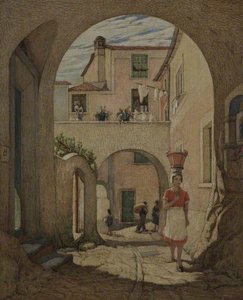
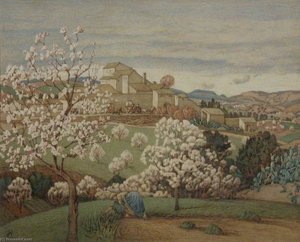
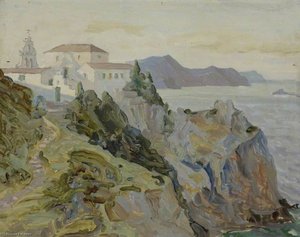
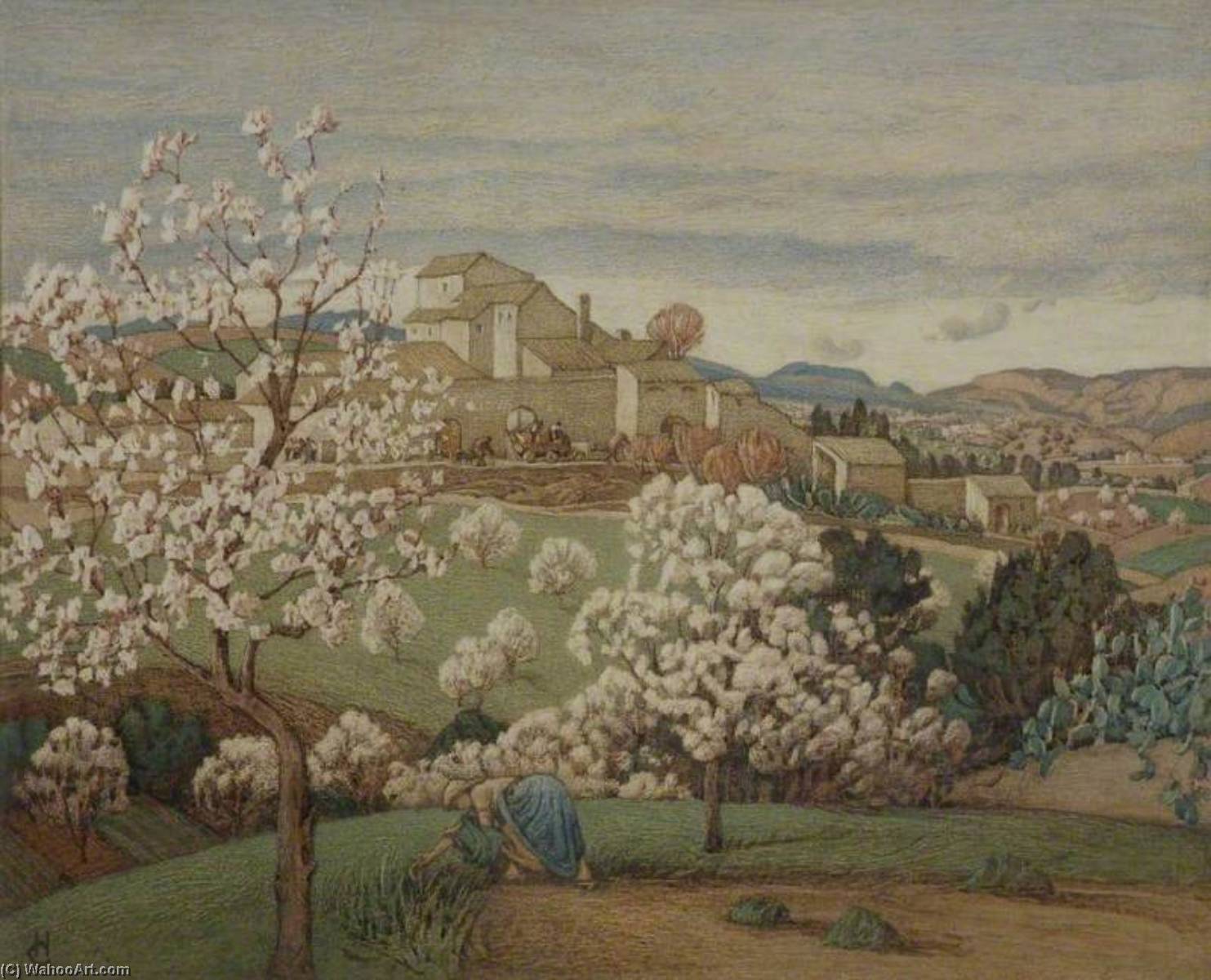
Almond Blossom, Majorca
 33.0 x 40.0 cm
 Victoria Art Gallery
 Read More
Giclée / Art Print
Museum-quality giclée or canvas print with fast production and flexible finish options. ( Buy Hand Made Painting Buy Image)




































Pick from our preset sizes that match the artwork's original proportions.

You may enter your own dimensions to fit a specific frame or space. If your selected size does not match the original image's proportions, we will either crop the artwork or extend the image with a mirrored or solid-fill edge. A digital mockup will be sent for your approval before production begins.
Please note that the on-screen preview does not reflect the actual cropping or extension. Only the mockup will accurately show the final composition.
While custom sizes are available, we recommend selecting a dimension from the predefined list to preserve the original proportions.
Worldwide Delivery () in 2 weeks instead of standard 4/5 weeks. (22 August)

Free Worldwide Express Shipping

High-Quality Linen Canvas

Full Shipping Insurance

Customs Tax Refund Guarantee

True Color Matching Guarantee

60-Day Return Policy (Defects Only)

100% Money-Back Guarantee

Bulk Discount Offer
 Glass option is only available in size under 110 CM

Almond Blossom, Majorca
Giclée / Art Print
Reproduction Size
-


Total Price
$ 63
Related Artworks










Artist Biography
A Life Painted in Light: Helen Lavinia Cochrane and the Echoes of a Changing World
Helen Lavinia Cochrane, born in 1868 and passing in 1946, was an artist whose life spanned a period of immense social and artistic upheaval. While not a household name today, her work offers a poignant glimpse into British society at the turn of the century and through both World Wars, revealing a sensitive observer with a keen eye for landscape, portraiture, and the subtle dramas of everyday life. Her story is one of quiet dedication to her craft, unfolding against a backdrop of shifting artistic styles and global conflict. Details regarding Cochrane’s early life remain somewhat elusive; however, it's clear she received formal training, equipping her with a solid foundation in traditional painting techniques. This grounding would prove crucial as she navigated the evolving art world, ultimately forging a distinctive style that blended realism with an atmospheric quality reminiscent of Impressionism and Post-Impressionism.From Pastoral Scenes to Wartime Witness
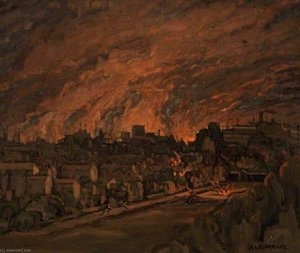
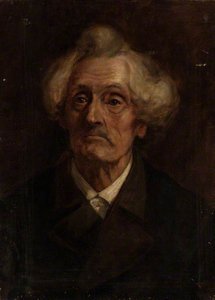
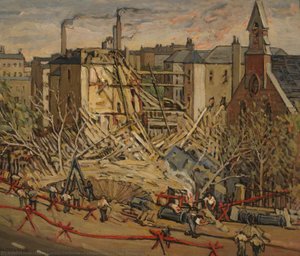
Cochrane’s early works frequently depicted idyllic landscapes – scenes of the British countryside imbued with a gentle light and a sense of tranquility. These paintings, often featuring rural life and natural beauty, reflect a Victorian sensibility, celebrating the harmony between humanity and nature. However, her artistic journey wasn't confined to these peaceful subjects. A significant portion of Cochrane’s oeuvre is dedicated to portraits, revealing a talent for capturing not just physical likeness but also the inner character of her sitters. She possessed an ability to convey emotion through subtle nuances in expression and posture, hinting at the stories behind the faces she painted. The outbreak of World War I marked a turning point in both Cochrane’s life and art. Unlike many artists who directly documented battlefield scenes, Cochrane focused on the home front, specifically the impact of war on those left behind. Her paintings of Fulham Hospital, where she volunteered as an artist, are particularly moving. These works aren't sensationalized depictions of trauma; instead, they offer intimate portraits of wounded soldiers and dedicated medical staff, conveying a sense of quiet dignity and resilience in the face of suffering. The bombing raids on Fulham Hospital, which she also documented, stand as stark reminders of the war’s reach into civilian life.Influences and Artistic Development
Identifying Cochrane's direct artistic influences is a complex task. Her early landscapes suggest an awareness of the Barbizon school and their emphasis on plein air painting – capturing light and atmosphere directly from nature. The influence of John Singer Sargent’s portraiture, with its elegant brushwork and psychological depth, can also be detected in her work. However, Cochrane wasn't simply imitating these masters; she synthesized various influences to create a style uniquely her own. Her later works demonstrate a growing interest in color and form, moving away from strict realism towards a more expressive approach. This shift may have been influenced by the burgeoning Post-Impressionist movement, although she never fully embraced its radical experimentation. Instead, Cochrane developed a nuanced aesthetic that balanced traditional techniques with modern sensibilities.Beyond Britain: Travels and Mediterranean Light
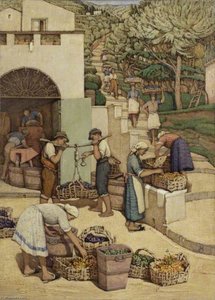
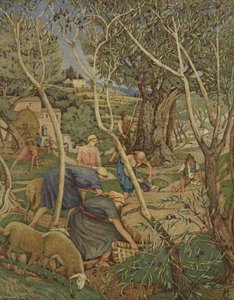
Cochrane’s artistic pursuits extended beyond the shores of Britain. She travelled extensively throughout Europe, particularly to Italy and Greece, seeking inspiration in new landscapes and cultures. Her paintings of Corfu Monastery and scenes from La Magra, Italy, reveal a fascination with Mediterranean light and architecture. These works are characterized by vibrant colors and a looser brushstroke than her earlier British landscapes, reflecting the warmth and energy of these southern locales.- Her depictions of olive gatherers in Italy showcase her ability to capture the rhythms of rural life.
- The paintings from Corfu reveal an appreciation for the spiritual atmosphere of the monastery and the beauty of the island’s natural surroundings.
Legacy and Historical Significance
Helen Lavinia Cochrane's work, while not widely recognized during her lifetime, offers a valuable contribution to our understanding of British art in the early 20th century. Her paintings provide a compelling visual record of a changing world – from the pastoral landscapes of Victorian England to the realities of wartime and the allure of Mediterranean cultures. She stands as an example of a dedicated artist who quietly pursued her craft, documenting the lives and experiences of those around her with sensitivity and skill. Her work serves as a reminder that artistic significance isn't always measured by fame or notoriety but by the enduring power of observation and the ability to capture the essence of a particular time and place. Her paintings are increasingly sought after by collectors and scholars, ensuring that her legacy will continue to inspire future generations.
helen lavinia cochrane
1868 - 1946
Quick Facts
- Artistic Movement Or Style: Impressionism
- Date Of Birth: 1868
- Full Name: Helen Lavinia Cochrane Shaw
- Nationality: British
- Notable Artworks:
- Bringing Down Mountain Grapes
- La Magra, Sarzana, Italy
- Song of Spring
- Place Of Birth: Bath, Somerset