

 Preview
 Send
Send Share
Share
 Details

 Download
 Similars
 X-Ray
X-Ray Diaporama
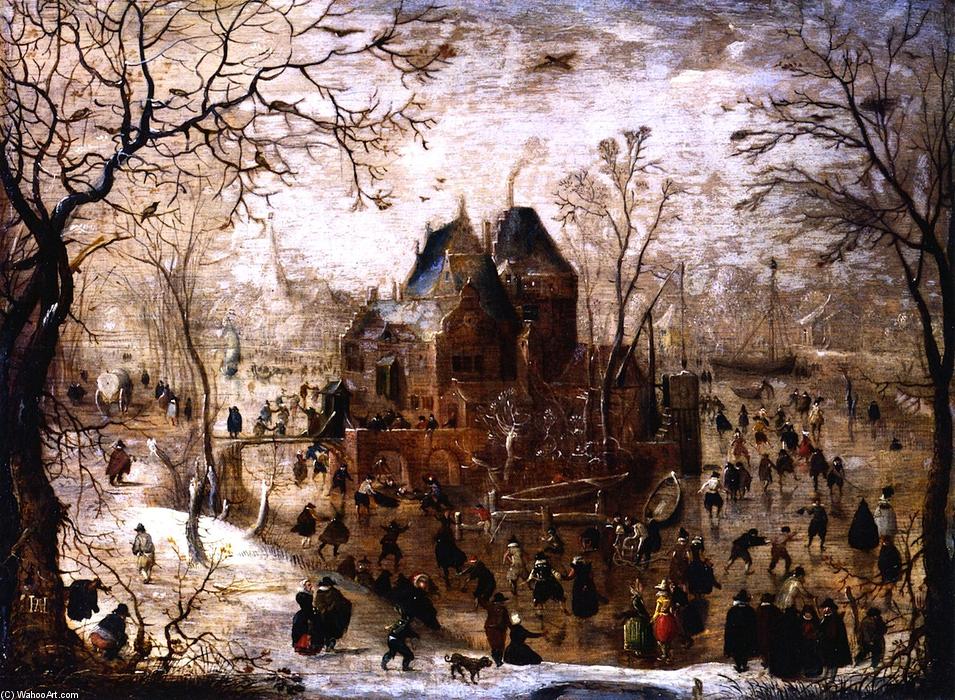
Winter Landscape with a Castle on an Island
 Dutch Golden Age
 1605
1605- Late Medieval
 25.0 x 34.0 cm
 Wallraf-Richartz-Museum
 Read More
Purchase a high-resolution, enhanced digital image, far superior to the online preview.
Each file is meticulously prepared by our in-house specialists using advanced tools and expert manual retouching. We ensure every image has exceptional clarity, precise color accuracy, and fine detail.
The final file is delivered via email within 72 hours, optimized for immediate use in professional, editorial, and print environments. This is the same quality trusted by top-tier design studios, publishers, and galleries.
Digital Image
Download a high-resolution file for personal display, printing, and creative projects. ( Buy Print Buy Hand Made Painting)
Included in Every Digital Image Order
Expert Digital Delivery, Guaranteed
When you choose ArtsDot.com, you're not just getting an image - you're receiving a professionally enhanced digital artwork, crafted with precision and backed by a satisfaction guarantee. Here's everything that comes with your order, automatically:

Fast Email Delivery
Your high-resolution digital image file will be emailed to you within 72 hours of ordering - ready for immediate use.

AI-Enhanced Digital File
Your artwork is professionally optimized using advanced AI tools and manual editing, ensuring maximum detail, clarity, and color accuracy.

Free Lifetime Re-Delivery
Accidentally deleted or lost your file? No worries - we'll resend it to you anytime, free of charge.

No Import Fees - Ever
Enjoy your artwork instantly with zero customs, duties, or delivery fees - digital downloads are always tax-free.

Color Accuracy Guarantee
We ensure your digital image reflects the original colors as closely as possible using professional tools and color management.

60-Day Satisfaction Guarantee
If you're not satisfied with your digital image, we'll revise it or refund 100% within 60 days - no questions asked.

100% Money-Back Guarantee
Not satisfied? Get a full refund within 60 days of receiving your digital file - no questions asked.

Bulk Order Discounts
Buy 3 images, save 10% - Buy 5, save 15% - Buy 10+, save 20%. Great for creative projects, galleries, and agencies.
Collectible Description
A Frozen Moment in Time: Hendrick Avercamp’s “Winter Landscape with a Castle on an Island”
Hendrick Avercamp's "Winter Landscape with a Castle on an Island," painted in 1605, isn’t merely a depiction of a winter scene; it’s a meticulously crafted tableau of Dutch life frozen in time. This oil-on-panel masterpiece, currently residing within the Wallraf-Richartz-Museum in Cologne, Germany, offers a rare glimpse into the daily rhythms and social dynamics of 17th-century Holland – a world both familiar and profoundly distant. Avercamp’s genius lies not just in his technical skill but in his ability to infuse a static image with a palpable sense of movement, warmth, and human connection amidst the stark beauty of a winter landscape.
The painting immediately draws the eye to the central island, crowned by a formidable castle. This isn’t a romanticized fairytale fortress; it's a pragmatic structure, suggesting a seat of power and authority within this small community. Surrounding the island is a frozen lake, its surface shimmering with an ethereal quality achieved through Avercamp’s masterful use of glazes – thin layers of translucent paint that create a luminous effect, mimicking the play of light on ice. The trees lining the shore are rendered with remarkable detail, their branches heavy with snow and hinting at the resilience required to endure such harsh conditions. But it's not just the landscape itself that captivates; it’s the figures inhabiting this frozen world.
The Dance of Daily Life
Avercamp was a keen observer of human behavior, and “Winter Landscape” is brimming with activity. People are engaged in a multitude of tasks: skaters glide across the ice, their colorful clothing providing splashes of warmth against the monochrome backdrop; children build snowmen, their laughter seemingly echoing through the scene; couples stroll hand-in-hand, while others engage in more intimate pursuits – a detail that, though subtly rendered, speaks volumes about the social fabric of the time. The inclusion of these everyday activities elevates the painting beyond a simple landscape view, transforming it into a vibrant snapshot of community life.
Notice the details: the bundled figures carrying umbrellas to shield themselves from the biting wind, the dogs eagerly anticipating a romp on the ice, and the small boats navigating the frozen waters. Avercamp’s meticulous attention to these seemingly insignificant elements creates a sense of realism that is both captivating and deeply engaging. He wasn't simply painting a landscape; he was painting a story – a narrative woven from the threads of daily existence.
A Masterclass in Technique
Avercamp’s style is characterized by its soft, diffused colors and delicate brushstrokes. He employed a technique known as “aerial perspective,” subtly lightening the tones and reducing detail in the distance to create an illusion of depth and atmospheric haze. This masterful use of color and light not only enhances the realism of the scene but also evokes a sense of tranquility and serenity. The painting’s palette is dominated by muted blues, whites, and browns, punctuated by the vibrant hues of clothing and accessories – a testament to Avercamp's ability to capture both the beauty and the hardship of winter.
The artist’s use of impasto—thickly applied paint—adds texture and dimension to the scene, particularly in the depiction of the snow-laden trees. This technique further enhances the sense of realism and invites the viewer to reach out and touch the icy surface of the lake. Avercamp's work is a testament to his skill as a painter and his deep understanding of light and color.
Symbolism and Historical Context
“Winter Landscape” offers a fascinating window into the social and economic realities of 17th-century Holland. The presence of the castle on an island suggests a hierarchical society, with those in power residing in a privileged position above the common folk. The activities depicted – skating, building snowmen, and engaging in commerce – reflect the importance of leisure, community, and trade in Dutch life. Avercamp’s painting also provides insight into the challenges posed by the Little Ice Age, a period of prolonged cold that gripped Europe during this time.
Interestingly, Avercamp's work was often sold as finished pictures to be pasted into albums – a testament to his popularity and the demand for his winter scenes. His paintings captured a specific moment in Dutch history—a world where life revolved around the rhythms of nature and the bonds of community. Today, reproductions of “Winter Landscape with a Castle on an Island” continue to inspire and delight, offering a timeless reminder of the beauty and resilience of the human spirit.
Related Artworks
Artist Biography
A Pioneer of Dutch Winter: The Life and Art of Hendrick Avercamp
Hendrick Avercamp, a name synonymous with the shimmering, frozen landscapes of the Dutch Golden Age, was born in Amsterdam on January 27, 1585. His life story is as intriguing as his art—a tale marked by both artistic innovation and personal circumstance. From an early age, it became apparent that Avercamp lived within a world experienced differently than most; he was mute, and likely deaf, earning him the affectionate yet defining moniker “de Stomme van Kampen” – the Mute of Kampen. This perceived limitation, however, did not stifle his artistic voice but perhaps sharpened his observational skills, allowing him to translate the nuances of the Dutch winter onto canvas with unparalleled clarity and charm. He initially studied in Amsterdam under Pieter Isaacsz, a portrait painter, and possibly also received guidance from David Vinckboons, whose influence can be seen in Avercamp’s early works. In 1608, he relocated to Kampen, where he would spend the majority of his life and establish himself as a unique and celebrated artist.Capturing a Frozen World: Artistic Style and Innovation
Avercamp stands out as one of the first dedicated landscape painters in 17th-century Holland, a period traditionally dominated by portraiture, history painting, and still life. He carved his niche by specializing in winter scenes—a subject rarely explored with such consistent focus before him. His paintings aren’t merely depictions of cold weather; they are vibrant snapshots of Dutch life unfolding on the ice. Figures skate, sled, play *kolf* (a form of golf played on ice), and simply enjoy the frozen waterways, creating a lively tapestry of human activity against the stark beauty of the winter landscape. Avercamp's skill lies in his ability to convey both the chill of the season and the warmth of communal enjoyment. He masterfully employed aerial perspective, subtly shifting colors and details to create a convincing sense of depth, drawing the viewer into these icy worlds. His technique often involved applying watercolor washes over pen and ink drawings, creating delicate and luminous effects. These smaller works were frequently sold as finished pieces intended for inclusion in collectors’ albums—a testament to their intimate scale and appeal.Influences and Development: From Bruegel to Dutch Realism
While Avercamp forged his own distinctive style, he wasn't working in a vacuum. The influence of Flemish masters like Pieter Bruegel the Elder is evident in his early compositions—the bustling scenes filled with numerous figures engaged in everyday activities. However, Avercamp moved beyond mere imitation, developing a uniquely Dutch sensibility characterized by meticulous detail and a keen observation of light and atmosphere. He embraced the growing trend towards realism within Dutch painting, accurately portraying the clothing, tools, and customs of his time. His work also reflects the climatic conditions of the Little Ice Age, a period of unusually cold winters in Europe, which undoubtedly fueled his fascination with frozen landscapes. Unlike some contemporaries who might idealize their subjects, Avercamp presented a realistic—and often humorous—view of life, including playful details that hint at human foibles and everyday occurrences.Legacy and Historical Significance
Hendrick Avercamp’s impact on Dutch painting is considerable. He not only popularized the winter landscape as a legitimate subject for artistic exploration but also helped to define a distinctly Dutch approach to landscape painting—one that emphasized realism, atmospheric effects, and the depiction of everyday life. His work provided inspiration for later generations of artists and continues to captivate audiences today. Notable collections showcasing his artistry include the Rijksmuseum in Amsterdam, which holds a significant number of his paintings, and the Mauritshuis in The Hague. Avercamp’s legacy extends beyond his artistic achievements; he represents a triumph over adversity, demonstrating that creative expression can flourish even in the face of personal challenges. He died in Kampen on May 15, 1634, leaving behind a body of work that continues to offer a window into the vibrant and often-overlooked world of 17th-century Holland—a world frozen in time, yet brimming with life.Notable Works
- Winter Landscape with Skaters: Perhaps his most iconic work, this painting exemplifies Avercamp’s mastery of capturing the energy and atmosphere of a Dutch winter scene.
- Street in Delfi: A rare example of Avercamp venturing beyond landscapes, showcasing his skill in depicting town life.
- Enjoying the Ice near a Town: Demonstrates his ability to create dynamic compositions filled with numerous figures engaged in various activities.
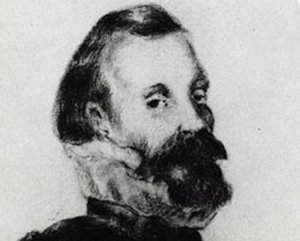
Hendrick Avercamp
1585 - 1634 , Netherlands
Quick Facts
- Artistic Movement Or Style: Dutch Golden Age painting
- Artists Who Influenced This Artist:
- Pieter Isaacsz
- David Vinckboons
- Date Of Birth: January 27, 1585
- Date Of Death: May 15, 1634
- Full Name: Hendrick Avercamp
- Nationality: Dutch
- Notable Artworks:
- Winter Landscape with Skaters
- Street in Delfi
- Place Of Birth: Amsterdam, Netherlands

