

 Send
Send Share
Share
 Details

 Download
 Similars
 Diaporama
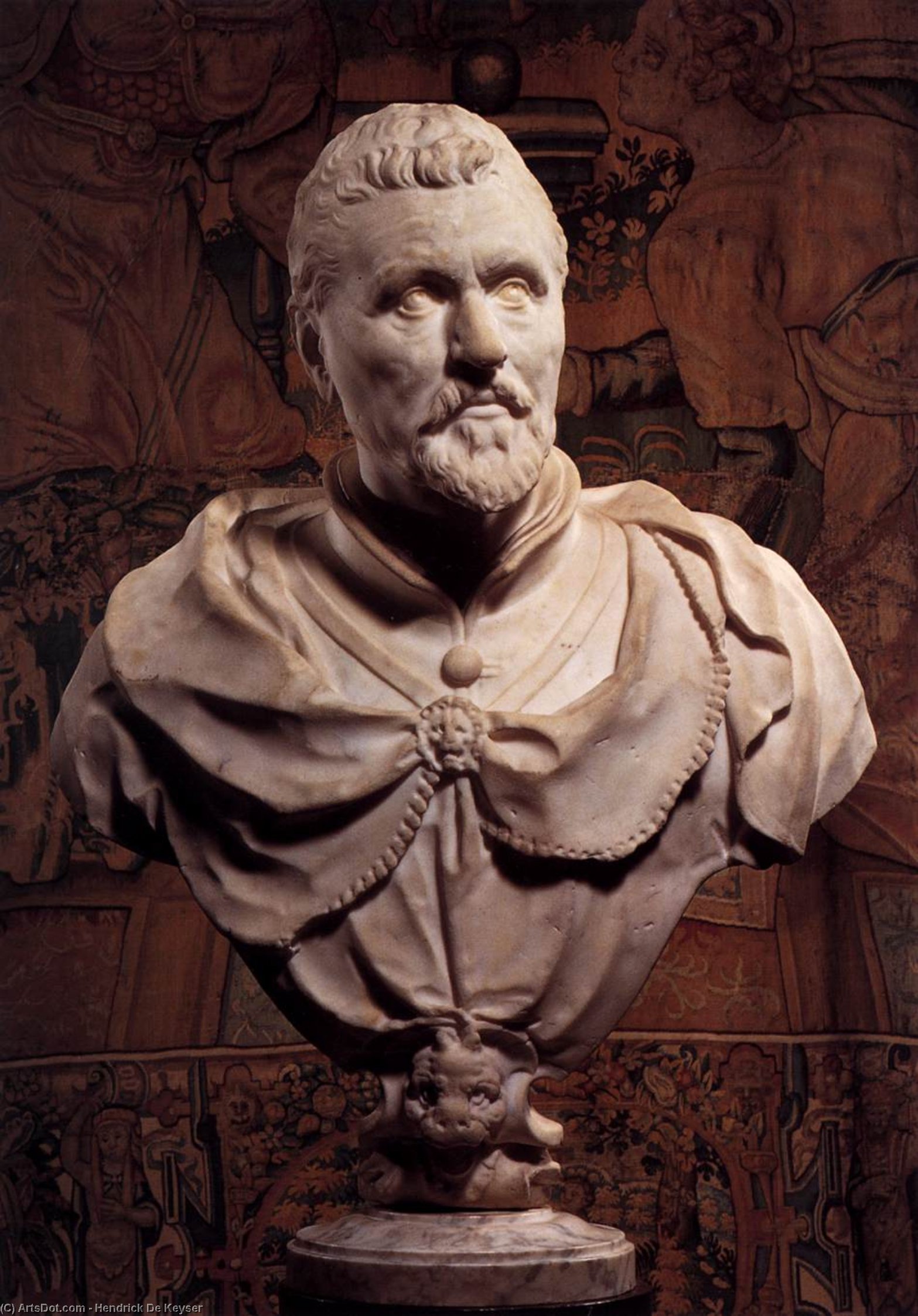
Portrait of Vincent Coster


 Read More
Purchase a high-resolution, enhanced digital image, far superior to the online preview.
Each file is meticulously prepared by our in-house specialists using advanced tools and expert manual retouching. We ensure every image has exceptional clarity, precise color accuracy, and fine detail.
The final file is delivered via email within 72 hours, optimized for immediate use in professional, editorial, and print environments. This is the same quality trusted by top-tier design studios, publishers, and galleries.
Digital Image
Download a high-resolution file for personal display, printing, and creative projects. ( Buy Print Buy Hand Made Painting)
Included in Every Digital Image Order
Expert Digital Delivery, Guaranteed
When you choose ArtsDot.com, you're not just getting an image - you're receiving a professionally enhanced digital artwork, crafted with precision and backed by a satisfaction guarantee. Here's everything that comes with your order, automatically:

Fast Email Delivery
Your high-resolution digital image file will be emailed to you within 72 hours of ordering - ready for immediate use.

AI-Enhanced Digital File
Your artwork is professionally optimized using advanced AI tools and manual editing, ensuring maximum detail, clarity, and color accuracy.

Free Lifetime Re-Delivery
Accidentally deleted or lost your file? No worries - we'll resend it to you anytime, free of charge.

No Import Fees - Ever
Enjoy your artwork instantly with zero customs, duties, or delivery fees - digital downloads are always tax-free.

Color Accuracy Guarantee
We ensure your digital image reflects the original colors as closely as possible using professional tools and color management.

60-Day Satisfaction Guarantee
If you're not satisfied with your digital image, we'll revise it or refund 100% within 60 days - no questions asked.

100% Money-Back Guarantee
Not satisfied? Get a full refund within 60 days of receiving your digital file - no questions asked.

Bulk Order Discounts
Buy 3 images, save 10% - Buy 5, save 15% - Buy 10+, save 20%. Great for creative projects, galleries, and agencies.
Collectible Description
Portrait of Vincent Coster: A Testament to Renaissance Dignity
The sculpture "Portrait of Vincent Coster," crafted in 1608 by Hendrick de Keyser, stands as an emblem of the Amsterdam Renaissance—a movement that sought to revive classical ideals amidst the burgeoning Baroque era. More than just a likeness of a wealthy vintner and wine-gauger, Vincent Coster, this marble bust embodies the humanist spirit characteristic of its time, reflecting a profound appreciation for human form and intellect. De Keyser’s masterful execution elevates it beyond mere representation into an enduring symbol of civic pride and artistic achievement.- Subject Matter: The sculpture depicts Vincent Coster, a prominent figure in Amsterdam's commercial landscape during the early 17th century. His dignified pose—seated with one hand resting on his thigh—communicates composure and authority, reflecting the values prized by Renaissance thinkers and patrons.
- Style & Technique: De Keyser’s approach aligns closely with Mannerism, a stylistic trend that favored stylized forms and exaggerated expressions over naturalistic representation. However, unlike its predecessors, Mannerism in Amsterdam embraced classical principles of proportion and balance, resulting in an aesthetically refined piece. The sculptor skillfully employed marble—a material rarely utilized by Dutch sculptors at the time—to achieve a luminous surface finish and convey a sense of timeless elegance.
- Historical Context: Created during the Golden Age of Dutch art (roughly 1600-1700), “Portrait of Vincent Coster” reflects the cultural dynamism of Amsterdam, which served as a hub for trade, scholarship, and artistic innovation. The sculpture’s commission underscores the importance placed on commemorating influential individuals and celebrating humanist ideals within the city's intellectual circles.
- Symbolism: The draped toga symbolizes Roman dignity and virtue—values that were central to Renaissance humanism. Furthermore, the meticulous detailing of Coster’s facial features—particularly his gaze—suggests an intention to capture not only physical likeness but also inner character and intellect.
- Further Exploration: Interested in delving deeper into Hendrick de Keyser’s oeuvre? Visit this page for more information about “Portrait of Vincent Coster” and its place within the broader context of Amsterdam Renaissance art.
Related Artworks
Artist Biography
Hendrick de Keyser: Architect of a Dutch Renaissance
Born in Utrecht in 1565, Hendrick de Keyser’s life and career were inextricably linked to the burgeoning artistic and architectural landscape of Amsterdam during the early 17th century. More than just a sculptor or stonemason – titles that barely scratch the surface of his multifaceted talents – De Keyser was a pivotal figure in establishing what is now recognized as the “Amsterdam Renaissance,” a distinctly Dutch interpretation of late Mannerism that profoundly shaped the city’s visual identity and laid the groundwork for subsequent classical styles. His legacy isn't found solely in grand monuments, but also in the subtle elegance and innovative use of decorative elements that define his most celebrated works.
De Keyser’s early apprenticeship under Cornelis Bloemaert, a renowned engineer and architect, provided him with a solid foundation in classical principles. However, it was his relocation to Amsterdam at the age of 26 that truly ignited his creative spirit. Immediately upon arrival, he secured a position as city stonemason and sculptor, a role that encompassed an astonishing breadth of responsibilities – from overseeing construction projects to designing intricate facades and monumental tombs. This multifaceted position afforded him unparalleled access to influential commissions and allowed him to experiment with new approaches to architectural design, ultimately forging his unique artistic voice.
The Rise of the Amsterdam Renaissance
What distinguishes De Keyser’s work – and what elevates it beyond mere imitation of Italian models – is its distinctly Dutch sensibility. While he certainly drew inspiration from classical architecture, as evidenced by the extensive use of pilasters, cornices, and pediments, these elements were rarely employed with slavish adherence to established treatises. Instead, they functioned primarily as decorative flourishes, imbued with a sense of dynamism and ornamentation that reflected the spirit of the age. This departure from rigid formality is most evident in his later works, particularly during the second decade of the 17th century, when his style reached its peak – a vibrant synthesis of classical influences and innovative Dutch design.
De Keyser’s architectural contributions are remarkably diverse, encompassing churches, town halls, commercial buildings, and even private residences. The Zuiderkerk (Southern Church), completed between 1603 and 1611, stands as a testament to his skill and vision, showcasing the grandeur of late Mannerism with its soaring tower and intricate detailing. Similarly, the Delft Town Hall (1618-1620) exemplifies his ability to seamlessly integrate classical elements into a distinctly Dutch context. The Westerkerk (Western Church), begun in 1620 and completed later, further solidified his reputation as a leading architect of his time.
Major Architectural Achievements
Several buildings stand out as particularly significant examples of De Keyser’s oeuvre. The Commodity Exchange, constructed between 1608 and 1613, represents a pivotal moment in Amsterdam's economic development and showcases the scale and ambition of his projects. Though sadly demolished in the 19th century, its design profoundly influenced subsequent commercial buildings. The East India House, likely designed by De Keyser himself, is another notable example, reflecting the growing importance of international trade and demonstrating his understanding of contemporary architectural trends. The Huis Bartolotti, a magnificent canal house completed after his death by his son Pieter, exemplifies his mastery of facade design and decorative elements.
Beyond these monumental structures, De Keyser’s influence extended to smaller-scale projects, including the elaborate tombs commissioned for prominent figures such as William the Silent in Delft and Erasmus in Rotterdam. These works demonstrate his skill as a sculptor and his ability to imbue even funerary monuments with a sense of dignity and artistic merit.
Legacy and Influence
Hendrick de Keyser’s impact on Dutch architecture is undeniable. He played a crucial role in establishing the “Amsterdam Renaissance,” a style that served as a bridge between late Mannerism and the subsequent rise of classical architecture under figures like Jacob van Campen and Pieter Post. His innovative use of decorative elements, his willingness to experiment with new forms, and his commitment to creating visually compelling spaces cemented his place as one of the most important architects of the Dutch Golden Age. Though he died in 1621, his designs continue to inspire awe and admiration, offering a glimpse into a pivotal moment in the history of European architecture.
His work is preserved today through numerous surviving buildings, providing invaluable insights into the artistic and architectural developments of early modern Amsterdam. The Zuiderkerk, Delft Town Hall, and Westerkerk stand as enduring monuments to his genius, reminding us of the profound influence of Hendrick de Keyser on the visual landscape of the Netherlands.
Hendrick de Keyser
1565 - 1621 , Netherlands
Quick Facts
- Artistic Movement Or Style: Amsterdam Renaissance, Mannerism
- Artists Or Movements Influenced By This Artist:
- Jacob van Campen
- Pieter Post
- Artists Who Influenced This Artist: ['Cornelis Bloemaert']
- Date Of Birth: May 1565, Utrecht, NL
- Date Of Death: May 1621
- Full Name: Hendrick de Keyser
- Nationality: Dutch
- Notable Artworks:
- Zuiderkerk Amsterdam
- Delft Town Hall
- Westerkerk Amsterdam
- Place Of Birth: Utrecht, Netherlands

