 Preview
 Send
Send Share
Share
 Details

 Download
 Similars
 X-Ray
X-Ray Diaporama
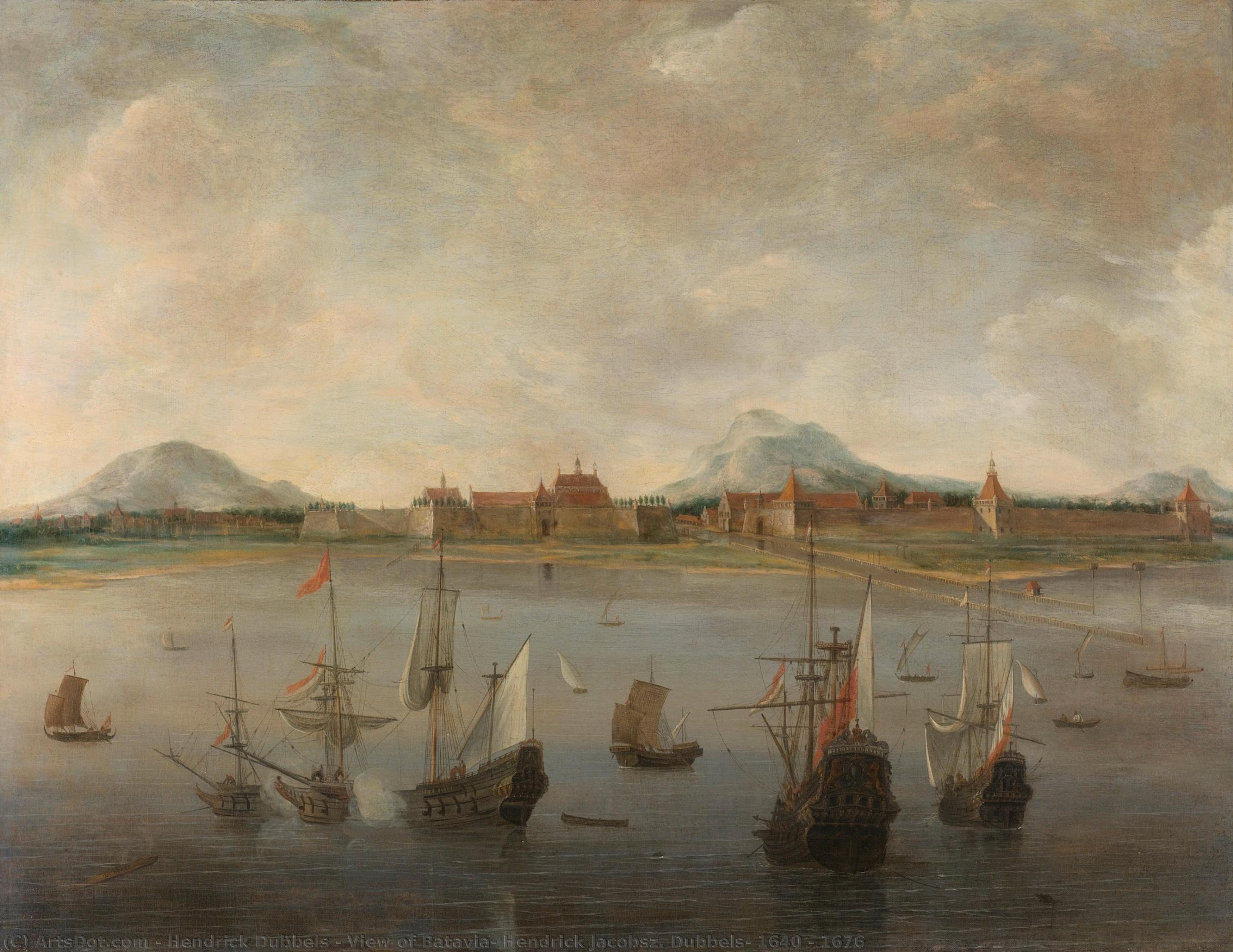
View of Batavia, Hendrick Jacobsz. Dubbels, 1640 - 1676
 1676
1676 66.0 x 84.0 cm
 Read More
Hand Made Oil Reproduction
Hand-painted oil on canvas in your size and frame, made to order by our artists. ( Buy Print Buy Image)




































Pick from our preset sizes that match the artwork's original proportions.

You may enter your own dimensions to fit a specific frame or space. If your selected size does not match the original image's proportions, we will either crop the artwork or extend the painting with additional hand-painted elements. A digital mockup will be sent for your approval before production begins.
Please note that the on-screen preview does not reflect the actual cropping or extension. Only the mockup will accurately show the final composition.
While custom sizes are available, we recommend selecting a dimension from the predefined list to preserve the original proportions.
After order, ArtsDot.com team will email client for instructions and provide a mockup preview
Worldwide Delivery () in 3/4 weeks instead of standard 5 weeks. (29 August). No compromise on quality.

Free Worldwide Express Shipping

High-Quality Linen Canvas

Full Shipping Insurance

Customs Tax Refund Guarantee

True Color Matching Guarantee

60-Day Return Policy (Defects Only)

100% Money-Back Guarantee

Bulk Discount Offer
 Glass option is only available in size under 110 CM

View of Batavia, Hendrick Jacobsz. Dubbels, 1640 - 1676
Reproduction Medium
Reproduction Size
-


Total Price
$ 263
Related Artworks









Artist Biography
The Maritime World of Hendrick Dubbels
Hendrick Dubbels, a name perhaps less celebrated than some of his Dutch Golden Age contemporaries, nevertheless occupies a significant niche in the pantheon of marine painters. Born and active during the 17th century – precise dates remain elusive, adding to the mystique surrounding this artist – Dubbels dedicated his life to capturing the drama and detail of ships and the sea. He wasn’t merely documenting vessels; he was translating the very essence of Dutch maritime power, trade, and exploration onto canvas. His work provides a fascinating window into a period where the Netherlands dominated global shipping lanes and its artistic output reflected this national pride. Dubbels' paintings are characterized by their meticulous realism, dynamic compositions, and atmospheric rendering, qualities that established him as a sought-after artist among merchants, naval officers, and collectors alike.A Life Shrouded in Detail
Unfortunately, biographical information regarding Hendrick Dubbels is remarkably scarce. Unlike artists who benefitted from extensive patronage networks or self-promotion, details of his personal life are fragmented. It’s believed he hailed from a family connected to the shipbuilding industry, which likely fostered his early fascination with ships and their construction. He appears to have been primarily active in Amsterdam, the bustling heart of Dutch commerce and naval activity. Records suggest he worked alongside other prominent marine artists of the time, potentially as a studio assistant or through collaborative projects. While we lack intimate details about his upbringing or personal relationships, the sheer volume and quality of his surviving work speak volumes about his dedication to his craft and his mastery of maritime subject matter. The absence of extensive documentation perhaps reflects a focus on the technical aspects of painting rather than self-aggrandizement – a characteristic common among many skilled artisans of the period who prioritized execution over personal fame.Painting the Fleet: Style and Technique
Dubbels’ artistic style is firmly rooted in the Dutch Realist tradition, but he infused it with a unique sense of dynamism. His paintings aren't static depictions; they convey movement – the roll of waves, the billowing of sails, the energy of a busy harbor. He possessed an exceptional ability to render light and shadow, creating atmospheric effects that heighten the drama of his scenes. His meticulous attention to detail is perhaps his most defining characteristic. Each ship is painstakingly rendered, from the intricate rigging to the individual planks of wood on the hull. Dubbels wasn’t simply painting ships; he was recreating them with an almost photographic accuracy. He often depicted vessels in various states – at anchor, underway, engaged in battle, or caught in a storm – showcasing his versatility and technical skill. His compositions are typically complex, featuring multiple ships and figures arranged to create a sense of depth and perspective. The color palettes he employed were generally subdued, reflecting the often-grey and overcast conditions of the North Sea, but punctuated by flashes of vibrant color in flags, clothing, or the setting sun.Influences and Legacy
While Dubbels developed a distinctive style, his work wasn’t created in isolation. He was undoubtedly influenced by earlier Dutch marine painters such as Jan Porcellis and Simon de Vlieger, both of whom pioneered realistic depictions of ships and seascapes. However, Dubbels moved beyond mere imitation, developing a more sophisticated understanding of light, atmosphere, and composition. His paintings also reflect the influence of contemporary cartography and naval architecture, demonstrating his commitment to accuracy and detail.- His work served as an important visual record of Dutch shipbuilding technology and maritime practices.
- Dubbels’ paintings were highly sought after by collectors who valued their realism and historical significance.
- He contributed to the development of a distinctively Dutch marine painting tradition that would influence generations of artists.
Quick Facts
- Artistic Movement Or Style: Marine painting
- Date Of Death: Living
- Full Name: Hendrick Dubbels
- Nationality: Dutch
- Notable Artworks:
- View of the Harbour of Amsterdam
- Ships in a Storm
- A Dutch Flotilla at Sea