 Preview
 Send
Send Share
Share
 Details

 Download
 Similars
 X-Ray
X-Ray Diaporama
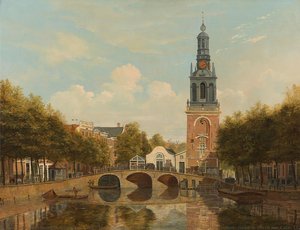
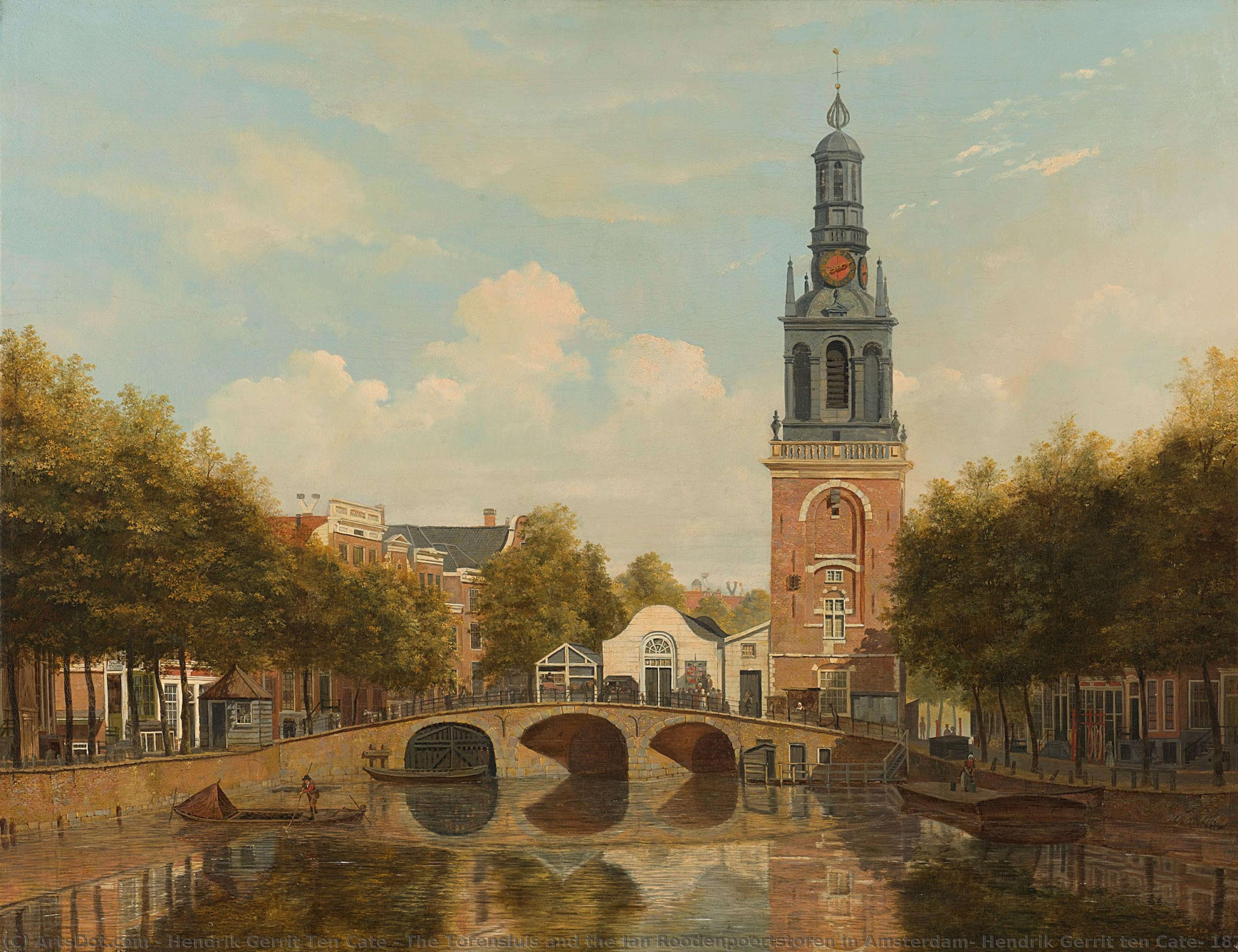
The Torensluis and the Jan Roodenpoortstoren in Amsterdam, Hendrik Gerrit ten Cate, 1829
 1829
1829 62.0 x 81.0 cm
 Read More
Giclée / Art Print
Museum-quality giclée or canvas print with fast production and flexible finish options. ( Buy Hand Made Painting Buy Image)




































Pick from our preset sizes that match the artwork's original proportions.

You may enter your own dimensions to fit a specific frame or space. If your selected size does not match the original image's proportions, we will either crop the artwork or extend the image with a mirrored or solid-fill edge. A digital mockup will be sent for your approval before production begins.
Please note that the on-screen preview does not reflect the actual cropping or extension. Only the mockup will accurately show the final composition.
While custom sizes are available, we recommend selecting a dimension from the predefined list to preserve the original proportions.
Worldwide Delivery () in 2 weeks instead of standard 4/5 weeks. (4 September)

Free Worldwide Express Shipping

High-Quality Linen Canvas

Full Shipping Insurance

Customs Tax Refund Guarantee

True Color Matching Guarantee

60-Day Return Policy (Defects Only)

100% Money-Back Guarantee

Bulk Discount Offer
 Glass option is only available in size under 110 CM

The Torensluis and the Jan Roodenpoortstoren in Amsterdam, Hendrik Gerrit ten Cate, 1829
Giclée / Art Print
Reproduction Size
-


Total Price
$ 63
Related Artworks









Artist Biography
Hendrik Gerrit ten Cate: A Master of Amsterdam’s Twilight
Hendrik Gerrit ten Cate (1803-1856) was a Dutch painter whose evocative watercolors and etchings captured the essence of 19th-century Amsterdam with remarkable sensitivity. Born in Amsterdam, he spent his entire career immersed in the city's atmosphere, becoming renowned for his nocturnal scenes—particularly those depicting the canals bathed in moonlight or shrouded in mist. Ten Cate’s work isn’t merely a record of urban landscapes; it’s an exploration of mood and light, imbued with a romantic sensibility that resonated deeply with his contemporary audience. His artistic journey began under the tutelage of Georg Pieter Westenberg, a respected figure in the Amsterdam art scene, providing him with a solid foundation in traditional techniques. However, Ten Cate quickly developed a distinctive style, characterized by loose brushwork, subtle color gradations, and an almost dreamlike quality to his depictions.Early Life and Artistic Training
Ten Cate’s early life remains somewhat shrouded in detail, but it's known that he received formal training from Westenberg, a teacher who emphasized meticulous observation and classical composition. This foundation proved invaluable as Ten Cate honed his skills, initially focusing on portraiture before gravitating towards landscape painting. He was a member of the prestigious Amsterdam painters collective, Felix Meritis, an organization dedicated to promoting artistic excellence and providing opportunities for its members. This association exposed him to a vibrant artistic community and contributed significantly to his professional development. The collective provided a platform for exhibiting his work and engaging with other artists, fostering a spirit of collaboration and critical exchange.Style and Technique: Capturing the Amsterdam Night
Ten Cate’s most celebrated works are undoubtedly his nocturnes—paintings that depict Amsterdam at night. These scenes aren't simply dark; they are meticulously constructed compositions filled with atmospheric detail. He masterfully employed a limited palette of blues, grays, and blacks to create a sense of depth and mystery. His technique involved layering washes of color, allowing them to bleed into one another, producing soft, diffused effects that mimic the play of light on water and buildings. He frequently used black chalk in his drawings to add definition and texture, particularly in depicting architectural details and foliage. A key element of his style was his ability to convey a sense of stillness and solitude, inviting viewers to contemplate the beauty and tranquility of the city’s nocturnal landscape. His work is often compared to that of contemporary Romantic painters who sought to capture the sublime qualities of nature.Notable Achievements and Recognition
Ten Cate's artistic talent was quickly recognized within the Dutch art world. He won a gold medal at the 1847 exhibition for his painting “The Interior of a Church,” demonstrating his skill in depicting architectural interiors with remarkable realism and sensitivity to light. This achievement solidified his reputation as one of Amsterdam’s leading artists. Further recognition came in 1865 when he was awarded the Leopold Order, a prestigious honor bestowed by the King of Belgium, acknowledging his contributions to the arts. In 1878, he was invited, along with Jozef Israëls, to advise the Dutch Ministry of Public Affairs on the plans for the Rijksmuseum—a testament to his standing within the artistic and cultural circles of the time. His expertise in depicting urban environments proved invaluable during this process.Legacy and Influence
Hendrik Gerrit ten Cate’s legacy extends beyond his individual works. He is remembered as a pivotal figure in 19th-century Dutch art, particularly for his innovative approach to nocturnal landscapes. His paintings continue to be admired for their atmospheric quality, technical skill, and evocative power. His influence can be seen in the work of subsequent generations of Dutch artists who followed in his footsteps. Works like “The Torensluis and the Jan Roodenpoortstoren in Amsterdam” (1829) remain iconic examples of his style, offering a glimpse into the city’s past and showcasing his remarkable ability to capture the essence of Amsterdam's urban landscape. Today, his paintings are housed in prominent museums throughout the Netherlands, ensuring that his artistic vision continues to inspire and captivate audiences.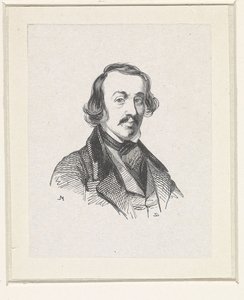
Hendrik Gerrit ten Cate
1803 - 1856 , Netherlands
Quick Facts
- Artistic Movement Or Style: Watercolorist, Etcher
- Artists Or Movements Influenced By This Artist: ['Romanticism']
- Artists Who Influenced This Artist: ['Georg Pieter Westenberg']
- Date Of Birth: 1803
- Date Of Death: 1856
- Full Name: Hendrik Gerrit ten Cate
- Nationality: Dutch
- Notable Artworks:
- The Torensluis...
- Town Square Before...
- Place Of Birth: Amsterdam, Netherlands