

 Preview
 Send
Send Share
Share
 Details

 Download
 Similars
 X-Ray
X-Ray Diaporama
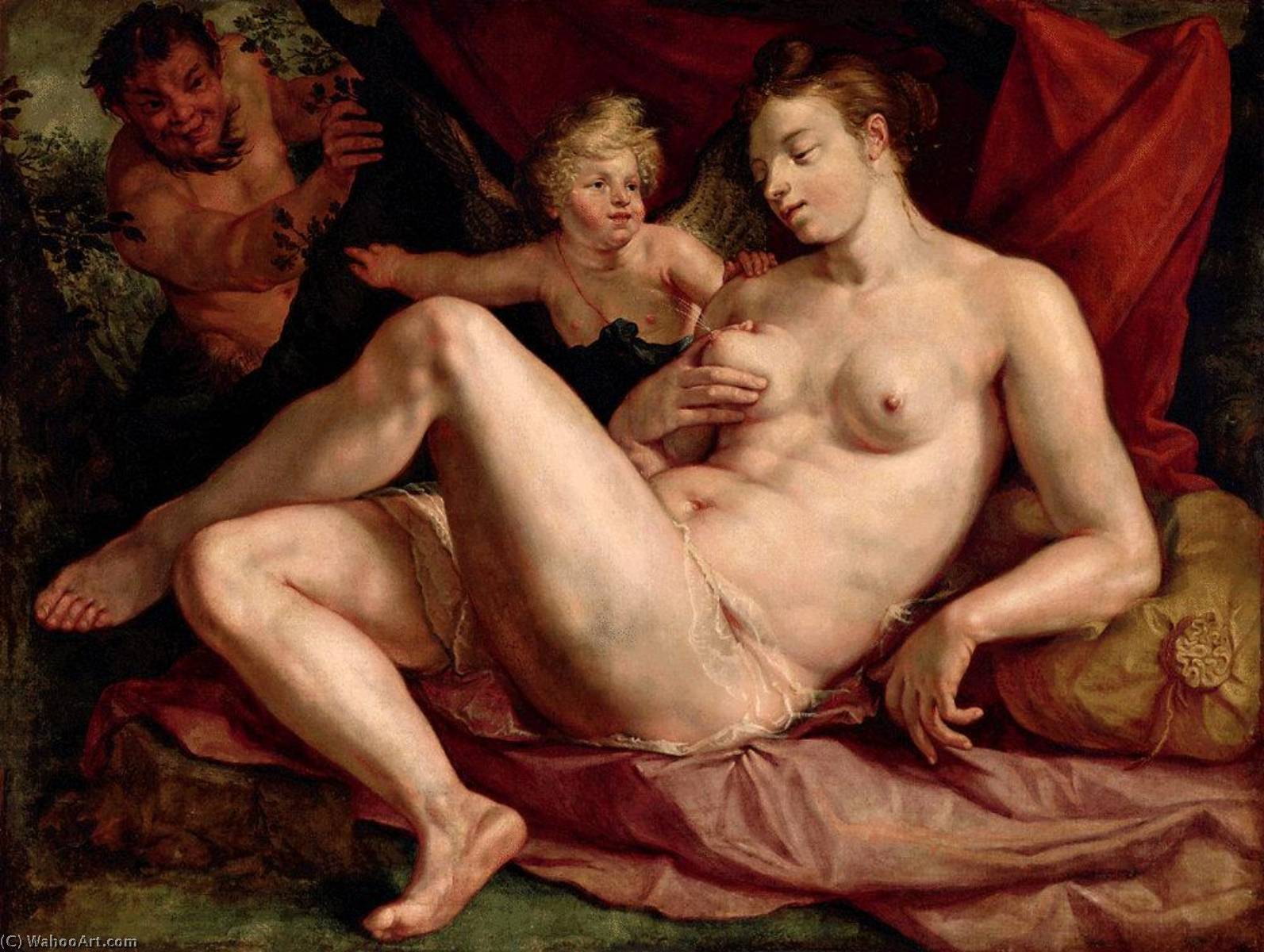
Vénus et l'Amour épiés par un satyre, dit autrefois Jupiter et Antiope Alternative title(s) Jupiter et Antiope
 Oil On Canvas
- WallArt
- Baroque
 1616
1616 100.0 x 133.0 cm
 The Louvre
 Read More
Purchase a high-resolution, enhanced digital image, far superior to the online preview.
Each file is meticulously prepared by our in-house specialists using advanced tools and expert manual retouching. We ensure every image has exceptional clarity, precise color accuracy, and fine detail.
The final file is delivered via email within 72 hours, optimized for immediate use in professional, editorial, and print environments. This is the same quality trusted by top-tier design studios, publishers, and galleries.
Digital Image
Download a high-resolution file for personal display, printing, and creative projects. ( Buy Print Buy Hand Made Painting)
Included in Every Digital Image Order
Expert Digital Delivery, Guaranteed
When you choose ArtsDot.com, you're not just getting an image - you're receiving a professionally enhanced digital artwork, crafted with precision and backed by a satisfaction guarantee. Here's everything that comes with your order, automatically:

Fast Email Delivery
Your high-resolution digital image file will be emailed to you within 72 hours of ordering - ready for immediate use.

AI-Enhanced Digital File
Your artwork is professionally optimized using advanced AI tools and manual editing, ensuring maximum detail, clarity, and color accuracy.

Free Lifetime Re-Delivery
Accidentally deleted or lost your file? No worries - we'll resend it to you anytime, free of charge.

No Import Fees - Ever
Enjoy your artwork instantly with zero customs, duties, or delivery fees - digital downloads are always tax-free.

Color Accuracy Guarantee
We ensure your digital image reflects the original colors as closely as possible using professional tools and color management.

60-Day Satisfaction Guarantee
If you're not satisfied with your digital image, we'll revise it or refund 100% within 60 days - no questions asked.

100% Money-Back Guarantee
Not satisfied? Get a full refund within 60 days of receiving your digital file - no questions asked.

Bulk Order Discounts
Buy 3 images, save 10% - Buy 5, save 15% - Buy 10+, save 20%. Great for creative projects, galleries, and agencies.
Collectible Description
Hendrik Goltzius’ “Vénus & Satyr”: A Baroque Masterpiece of Mythological Intrigue
“Vénus et l'Amour épiés par un satyre,” or Jupiter and Antiope, painted by Hendrik Goltzius in 1616, stands as a testament to the enduring fascination with classical mythology within the Baroque artistic landscape. More than just a visually arresting depiction of nude beauty and divine intervention, this oil on canvas embodies the era’s preoccupation with dramatic emotion, idealized form, and intricate narrative complexity—elements that continue to resonate powerfully with audiences today. The painting captures a scene from Greek legend: Zeus, disguised as Jupiter, observes Antiope, Venus's mortal lover, being spied upon by Satyr, representing primal instinct and earthly desire. Goltzius skillfully employs Baroque techniques – specifically the “swelling line” – to achieve an unprecedented level of detail and dynamism. This technique involves subtly thickening lines to create a sense of volume and depth, mimicking the illusionistic effects favored by artists like Rembrandt and Rubens. The artist’s meticulous brushwork brings forth textures that are remarkably convincing, from the velvety drape of Venus's gown to the rough surface of Satyr’s skin, immersing viewers in a world brimming with palpable atmosphere. The composition itself is masterful. Goltzius utilizes diagonal lines—particularly those formed by the drapery—to propel the eye across the canvas, mirroring the movement and tension inherent in the mythological narrative. Venus reclines gracefully on a lavish bed adorned with crimson velvet and gold brocade, radiating serenity despite the clandestine observation of Satyr. Cupid playfully darts around her shoulder, symbolizing love’s vulnerability and divine protection, while Flora presents Venus with a bouquet of flowers—a potent emblem of fertility and renewal. The dark background serves to heighten the luminosity of the central figures, emphasizing their physicality and emotional intensity. Symbolically, “Vénus & Satyr” speaks volumes about Baroque artistic ideals. It explores themes of desire versus restraint, beauty versus barbarity, and divine authority confronting earthly passions. Goltzius’s depiction of Venus embodies classical notions of feminine grace and virtue—a deliberate contrast to the untamed energy of Satyr. The inclusion of Cupid reinforces the belief in a benevolent deity safeguarding human love, while Flora underscores the cyclical nature of life and rebirth. Ultimately, “Vénus et l'Amour épiés par un satyre” transcends mere visual representation; it’s an emotional journey into the heart of mythology itself. Goltzius’s ability to convey both grandeur and intimacy—to capture the sublime beauty of Venus alongside the primal urges of Satyr—solidifies his place as a pivotal figure in Baroque art history, ensuring that this captivating image continues to inspire awe and contemplation for generations to come.- Artist: Hendrik Goltzius
- Year Painted: 1616
- Medium: Oil on Canvas
- Dimensions: 100 x 133 cm
Related Artworks





Artist Biography
early life and training
hendrick goltzius, a german-born dutch printmaker, draftsman, and painter, was born in january or february 1558. he was the leading dutch engraver of the early baroque period, or northern mannerism, lauded for his sophisticated technique and "exuberance" of his compositions. according to a. hyatt mayor, goltzius "was the last professional engraver who drew with the authority of a good painter and the last who invented many pictures for others to copy". goltzius's family moved to duisburg when he was 3 years old, and after studying painting on glass under his father, he learned engraving from the dutch polymath dirck volckertszoon coornhert.artistic career
in 1577, goltzius moved with coornhert to haarlem in the dutch republic, where he remained based for the rest of his life. he was also employed by philip galle to engrave a set of prints of the history of lucretia. goltzius had a malformed right hand from a fire when he was a baby, which turned out to be especially well-suited to holding the burin. this unique physical characteristic allowed him to master a commanding swing of line, making his engravings highly distinctive. hendrick goltzius brought to an unprecedented level the use of the "swelling line", where the burin is manipulated to make lines thicker or thinner to create a tonal effect from a distance.technique and style
goltzius was a pioneer of the "dot and lozenge" technique, where dots are placed in the middle of lozenge-shaped spaces created by cross-hatching to further refine tonal shading. his command of the burin is said to rival dürer, and he made engravings of bartholomeus spranger's paintings, thus increasing the fame of the latter – and his own. goltzius began painting at the age of forty-two; some of his paintings can be found in vienna. he also executed a few chiaroscuro woodcuts.public collections and legacy
most major print rooms will have a group of goltzius's many engravings, including the museum boijmans van beuningen, rijksmuseum amsterdam, and the metropolitan museum of art. his legacy can be seen in the works of other artists, such as jacques bellange, who was also a master of northern mannerist printmaking. goltzius's engravings and paintings continue to inspire art lovers and scholars alike, and his work can be found on ArtsDot.com and in the wikipedia article dedicated to his life and work.- some of goltzius's notable works include: jupiter, minerva, and the prophet baruch
- museums with his work: los angeles county museum of art, philadelphia museum of art, and british museum
- techniques used by goltzius: "swelling line" and "dot and lozenge" technique
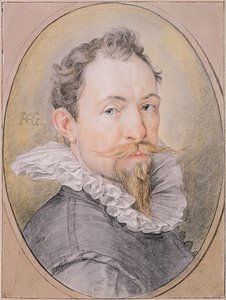
hendrik goltzius
1558 - 1617 , Italy
Quick Facts
- Artistic Movement Or Style: Northern Mannerism & Baroque engraving
- Artists Or Movements Influenced By This Artist: ['Jacques Bellange']
- Artists Who Influenced This Artist:
- Dirck Volckertszoon Coornhert
- Bartholomeus Spranger
- Date Of Birth: January or February 1558
- Full Name: Hendrick Goltzius
- Nationality: Dutch
- Notable Artworks:
- The Adoration of the Shepherds
- Arcadian Landscape
- Head of a Siren
- Hercules Killing Cacus
- Demogorgon and the Deities
- Apollo Belvedere
- The Last Supper
- Vries, Frederik de (died 1613)
- Place Of Birth: Braunschweig, Italy

