

 Preview
 Send
Send Share
Share
 Details

 Download
 Similars
 X-Ray
X-Ray Diaporama
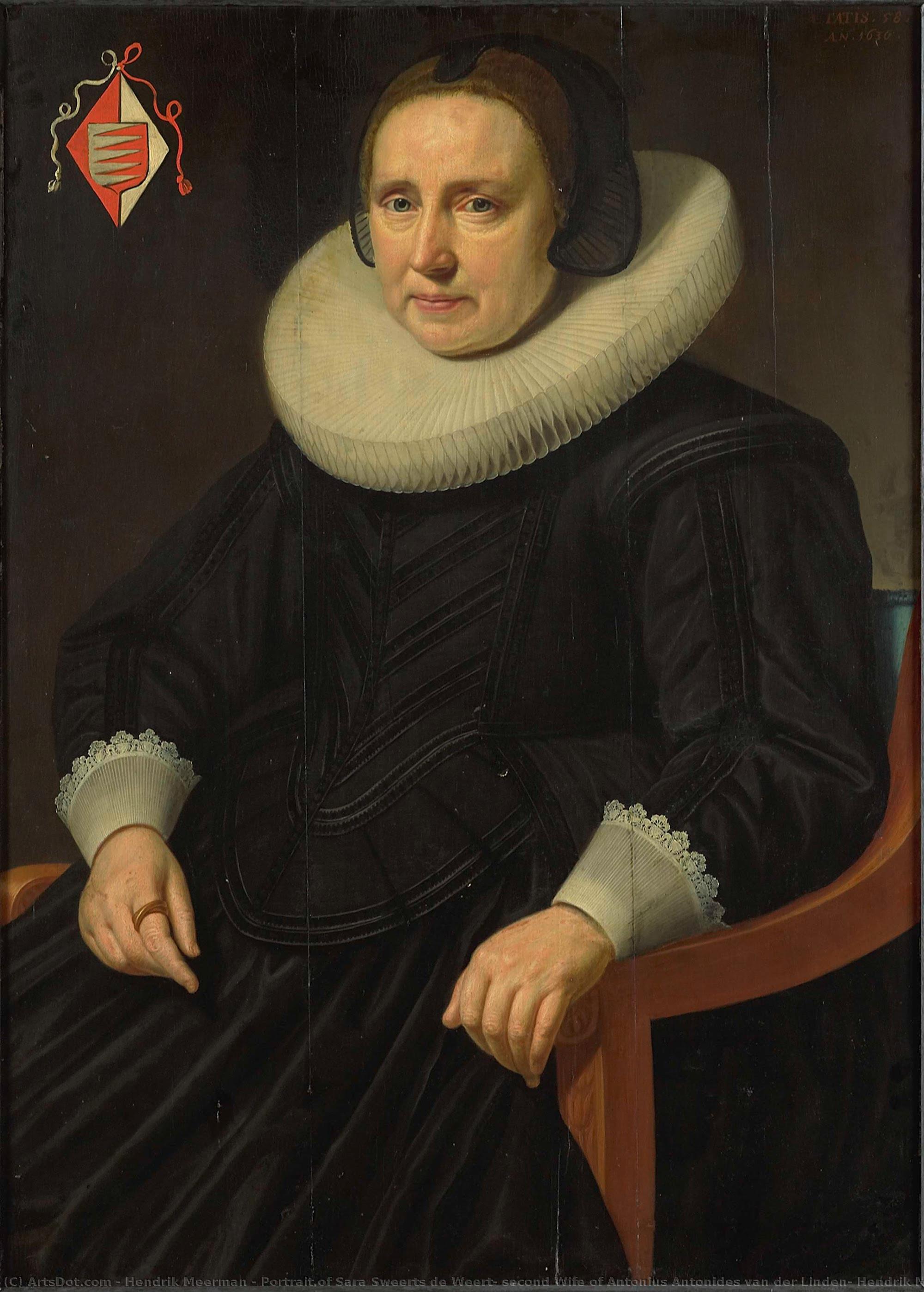
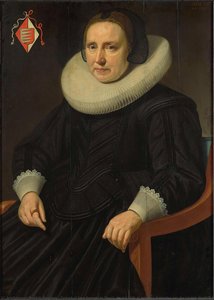
Portrait of Sara Sweerts de Weert, second Wife of Antonius Antonides van der Linden, Hendrik Meerman, 1636
 1636
1636 88.0 x 63.0 cm
 Read More
Giclée / Art Print
Museum-quality giclée or canvas print with fast production and flexible finish options. ( Buy Hand Made Painting Buy Image)




































Pick from our preset sizes that match the artwork's original proportions.

You may enter your own dimensions to fit a specific frame or space. If your selected size does not match the original image's proportions, we will either crop the artwork or extend the image with a mirrored or solid-fill edge. A digital mockup will be sent for your approval before production begins.
Please note that the on-screen preview does not reflect the actual cropping or extension. Only the mockup will accurately show the final composition.
While custom sizes are available, we recommend selecting a dimension from the predefined list to preserve the original proportions.
Worldwide Delivery () in 2 weeks instead of standard 4/5 weeks. (30 August)

Free Worldwide Express Shipping

High-Quality Linen Canvas

Full Shipping Insurance

Customs Tax Refund Guarantee

True Color Matching Guarantee

60-Day Return Policy (Defects Only)

100% Money-Back Guarantee

Bulk Discount Offer
 Glass option is only available in size under 110 CM

Portrait of Sara Sweerts de Weert, second Wife of Antonius Antonides van der Linden, Hendrik Meerman, 1636
Giclée / Art Print
Reproduction Size
-


Total Price
$ 63
Related Artworks





Artist Biography
The Soul Captured in Shadow: The Life and Art of Hendrik Meerman
In the vibrant, bustling heart of the Dutch Golden Age, where the canals of Amsterdam reflected both immense wealth and profound cultural shifts, the brush of Hendrik Meerman served as a mirror to the era's burgeoning humanism. Born in Cologne, Germany, around 1610, Meerman’s journey led him to the epicenter of European commerce and art by approximately 1633. He did not merely arrive as a visitor but established himself as a vital chronicler of Amsterdam’s elite, weaving his talent into the very fabric of the city's social identity. His work stands as a testament to a period when portraiture was more than mere documentation; it was an exploration of the psychological depth and the dignified essence of the individual.
Meerman’s artistic language was one of profound realism, a style that demanded an unwavering commitment to the truth of the human form. He possessed a rare ability to translate the tactile reality of silk, lace, and skin onto canvas, ensuring that every texture whispered of the subject's status and character. Central to his mastery was the sophisticated use of chiaroscuro. By orchestrating a dramatic interplay between light and deep, enveloping shadows, Meerman breathed life into his sitters, imbuing them with a sense of three-dimensional presence and emotional weight. This technique, reminiscent of the monumental shadows found in the works of Caravaggio and the psychological intensity of Rembrandt, allowed him to move beyond superficial likeness to capture the very spirit of his subjects.
Mastery of Expression and Notable Works
The true brilliance of Meerman’s oeuvre lies in his capacity for subtle observation. He did not shy away from the complexities of the human countenance, instead using meticulous brushwork to convey nuances of intellect, compassion, and even quiet melancholy. One of his most enduring achievements is the “Portrait of Antonius Antonides van der Linden,” painted in 1633. In this work, Meerman captures the essence of the renowned physician not just through physical accuracy, but through a masterful command of expression that suggests a man of profound intellect and empathy. This piece serves as a cornerstone of his legacy, demonstrating how he could elevate a commission into a timeless study of character.
His talent for capturing familial and social connections is further evidenced in works such as the “Portrait of Sara Sweerts de Weert,” the second wife of Antonius Antonides van der Linden. In this painting, Meerman showcases his ability to compose figures within a narrative context, often utilizing symbolic elements—such as family weaponry or heraldry—to anchor the subject within their historical and social lineage. Through these portraits, he created a visual genealogy for the Amsterdam merchant class, preserving their dignity and their stories for posterity.
Legacy of a Golden Age Portraitist
Though his life was relatively brief, spanning from 1610 to 1650, Hendrik Meerman left an indelible mark on the tradition of Dutch portraiture. His contribution to the visual culture of the 17th century helped define the aesthetic standards of an age characterized by realism and psychological depth. He remains a significant figure for art historians studying the transition of artistic influences from the dramatic Baroque traditions into the more localized, intimate realism of the Dutch masters.
The historical significance of Meerman’s work can be summarized through several key pillars of his contribution:
- Psychological Realism: His ability to use light and shadow to reveal the inner character of his subjects.
- Technical Precision: A dedication to the accurate representation of texture and form that aligned with the highest standards of the Dutch Golden Age.
- Social Documentation: Providing a vital visual record of the influential figures, physicians, and families that shaped Amsterdam's golden era.
- Artistic Continuity: Acting as a bridge between the intense chiaroscuro of the early Baroque and the refined portraiture styles that would follow in the Netherlands.
hendrik meerman
1610 - 1650 , Germany
Quick Facts
- Artistic Movement Or Style: Portraiture
- Date Of Birth: 1610 Cologne Germany
- Date Of Death: 1650
- Full Name: Hendrik Meerman
- Nationality: Dutch
- Notable Artworks: ['Portrait of Antonius Antonides van der Linden']
- Place Of Birth: Cologne Germany

