 Preview
 Send
Send Share
Share
 Details

 Download
 Similars
 X-Ray
X-Ray Diaporama
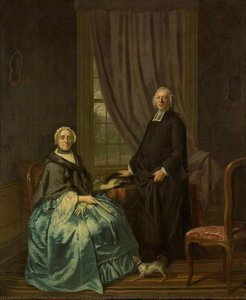
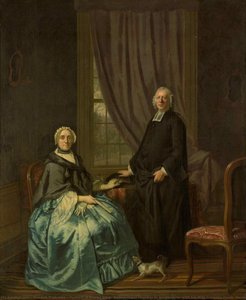
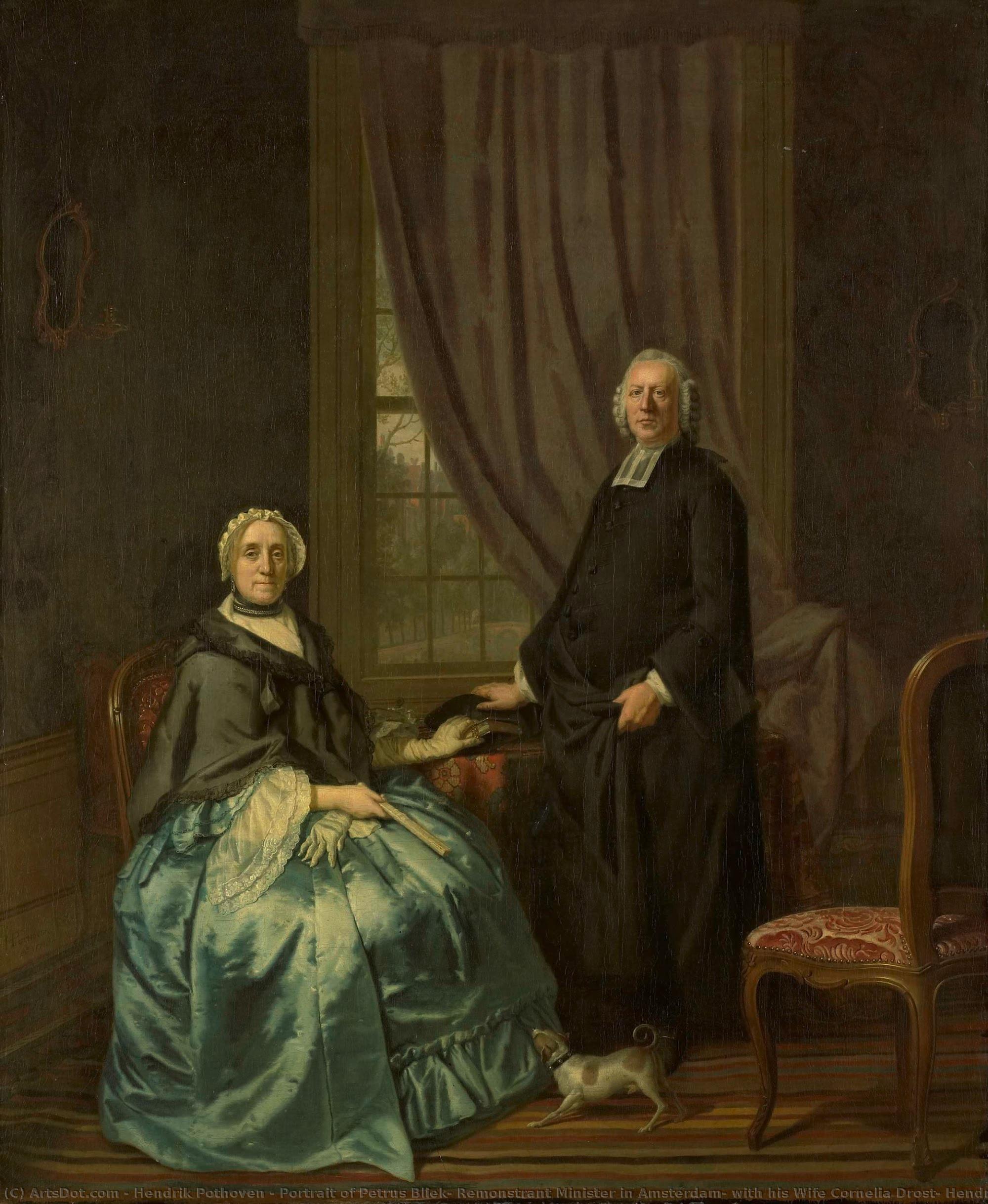
Portrait of Petrus Bliek, Remonstrant Minister in Amsterdam, with his Wife Cornelia Drost, Hendrik Pothoven, 1771
 1771
1771 89.0 x 74.0 cm
 Read More
Hand Made Oil Reproduction
Hand-painted oil on canvas in your size and frame, made to order by our artists. ( Buy Print Buy Image)




































Pick from our preset sizes that match the artwork's original proportions.

You may enter your own dimensions to fit a specific frame or space. If your selected size does not match the original image's proportions, we will either crop the artwork or extend the painting with additional hand-painted elements. A digital mockup will be sent for your approval before production begins.
Please note that the on-screen preview does not reflect the actual cropping or extension. Only the mockup will accurately show the final composition.
While custom sizes are available, we recommend selecting a dimension from the predefined list to preserve the original proportions.
After order, ArtsDot.com team will email client for instructions and provide a mockup preview
Worldwide Delivery () in 3/4 weeks instead of standard 5 weeks. (6 September). No compromise on quality.

Free Worldwide Express Shipping

High-Quality Linen Canvas

Full Shipping Insurance

Customs Tax Refund Guarantee

True Color Matching Guarantee

60-Day Return Policy (Defects Only)

100% Money-Back Guarantee

Bulk Discount Offer
 Glass option is only available in size under 110 CM

Portrait of Petrus Bliek, Remonstrant Minister in Amsterdam, with his Wife Cornelia Drost, Hendrik Pothoven, 1771
Reproduction Medium
Reproduction Size
-


Total Price
$ 263
Related Artworks





Artist Biography
A Portraitist of Amsterdam’s Golden Age: The World of Hendrik Pothoven
Hendrik Pothoven remains a somewhat enigmatic figure in the annals of 18th-century Dutch portraiture, largely known through his compelling and meticulously rendered depictions of Amsterdam's prominent citizens. While concrete biographical details are scarce—dates of birth and death remain uncertain, with “living” as the most current information available—his artistic legacy speaks volumes. Pothoven flourished during a period when the Netherlands was transitioning from its peak Golden Age prosperity, yet still retained a vibrant cultural life centered around commerce, scholarship, and civic duty. His work provides a fascinating glimpse into this society, capturing not just likenesses but also the status, character, and aspirations of his sitters. The attribution to Pothoven for many works is noted, suggesting a possible workshop practice or a degree of uncertainty in definitively assigning authorship, yet the consistent style and quality across these paintings point to a distinct artistic hand.The Style and Technique of a Masterful Observer
Pothoven’s portraits are characterized by a refined Baroque/Rococo aesthetic, though tempered with a distinctly Dutch sensibility—a restraint that avoids excessive ornamentation in favor of clarity and psychological insight. He possessed an exceptional talent for capturing the textures of fabrics – silks, velvets, and lace rendered with astonishing realism – and the subtle nuances of skin tones. His compositions are typically straightforward, often featuring sitters posed against neutral backgrounds or within elegantly appointed interiors. However, it is in the details—the carefully observed hands, the intelligent gaze, the slight turn of the head—that Pothoven’s artistry truly shines. Lighting plays a crucial role, dramatically illuminating the face and emphasizing the sitter's features while casting intriguing shadows that add depth and volume. He wasn’t merely recording appearances; he was striving to convey personality and social standing through visual cues. His brushwork is generally smooth and polished, indicative of careful planning and execution, though closer inspection reveals a lively energy beneath the surface calm.Subjects: Amsterdam's Elite
The majority of Pothoven’s known works are portraits of individuals connected to Amsterdam’s merchant class, intellectuals, and civic leaders. Pieter Meijer, Publisher and Bookseller, painted in 1781, is a particularly striking example—a dignified portrayal of a man deeply involved in the dissemination of knowledge. Similarly, his 1771 portrait of Petrus Bliek, a Remonstrant Minister, along with his wife Cornelia Drost, offers a more intimate glimpse into domestic life and religious conviction. The portrait of Harmen Hendrik van de Poll, Burgomaster of Amsterdam (1749), exemplifies Pothoven’s ability to convey authority and civic responsibility. These portraits weren't simply commissions; they were statements of identity, symbols of success, and affirmations of social position within a rapidly changing world. They reflect the values of a society that prized education, commerce, and religious tolerance—qualities often embodied by those who sat for Pothoven’s brush.Influences and Artistic Context
Pinpointing specific artistic influences on Pothoven is challenging due to limited documentation. However, his style clearly aligns with the broader trends in Dutch portraiture of the mid-18th century. Artists like Cornelis van der Sys, known for his refined portraits of Amsterdam’s elite, likely served as a source of inspiration. The influence of French Rococo painting—with its emphasis on elegance and decorative detail—can also be detected in Pothoven's work, though it is always tempered by a distinctly Dutch realism. He operated within a network of artists and patrons, contributing to the vibrant artistic milieu of Amsterdam. His portraits reflect not only his individual talent but also the broader cultural currents that shaped the city during this period.Legacy and Historical Significance
While Hendrik Pothoven may not be as widely recognized as some of his more famous contemporaries, his work remains a valuable resource for understanding 18th-century Dutch society. His portraits offer a compelling visual record of Amsterdam’s elite—their clothing, their homes, and their attitudes.- His meticulous technique and psychological insight set him apart.
- He captured the transition period between the Golden Age and a new era.
- His paintings provide invaluable insights into Dutch social history.