 Preview
 Send
Send Share
Share
 Details

 Download
 Similars
 X-Ray
X-Ray Diaporama
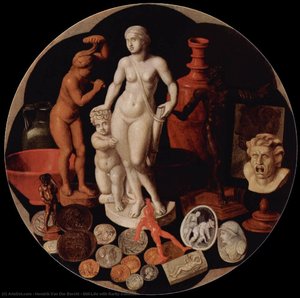
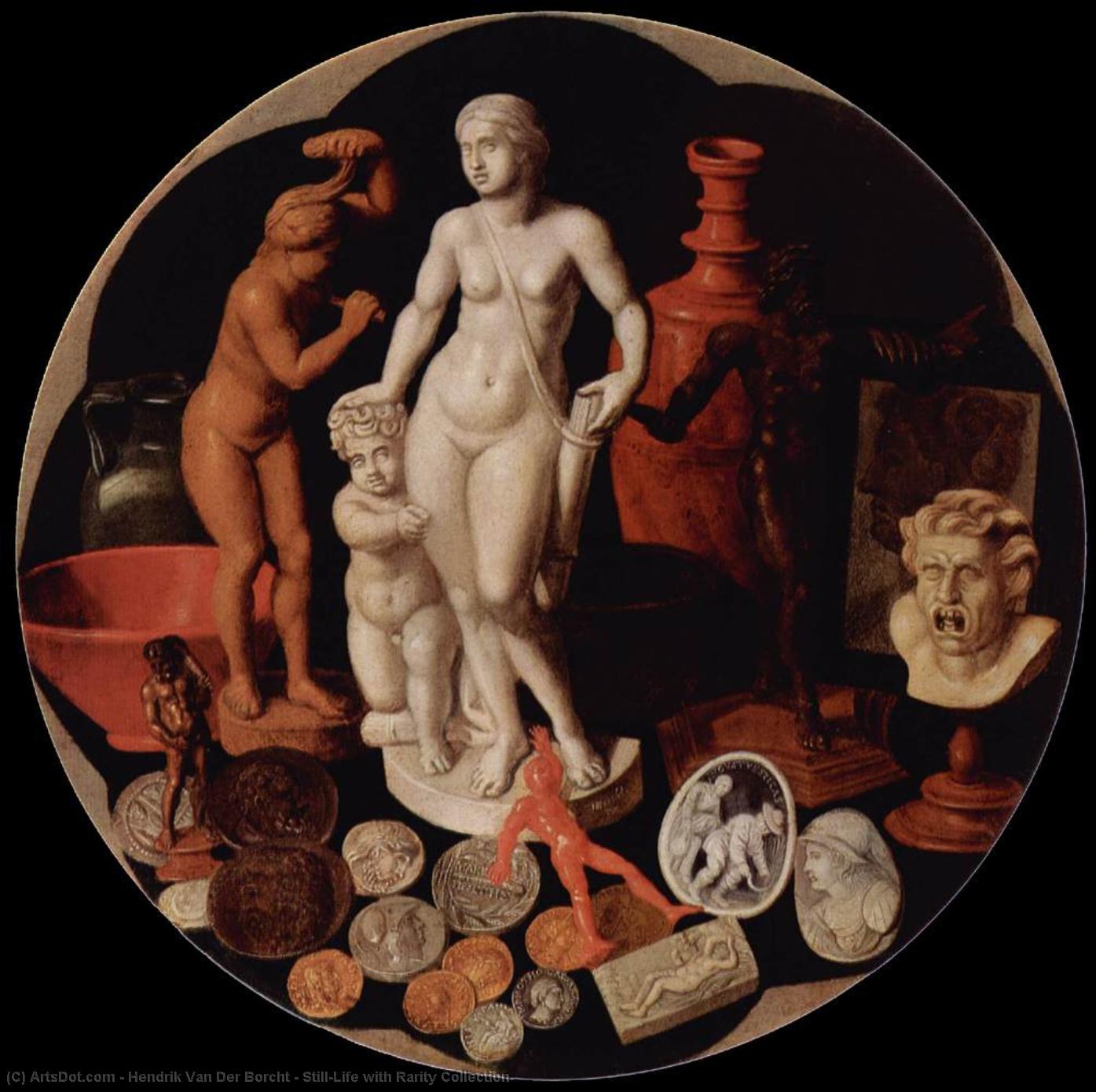
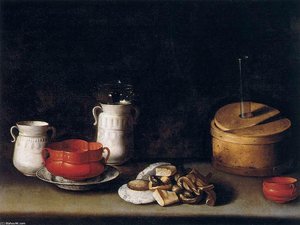
Still-Life with Rarity Collection
 Acrylic On Canvas
- WallArt
- Baroque Still Life
 34.0 x 34.0 cm
 Hermitage Museum
 Read More
Giclée / Art Print
Museum-quality giclée or canvas print with fast production and flexible finish options. ( Buy Hand Made Painting Buy Image)




P118B $10

P118H $10

P118W $10

P438Z $10

P508JH $12

P508YH $12

P805H $10

P805Z $10

P919BZ $10

P919G $10

P919XJ $10

P959ZH $10

P968JZ $12

W106C $8

W218G $10

W218JH $8

W218Y $10

W307PJ $10

W316G $10

W316PJ $8

W316Y $10

W398PJ $8

W4111J $10

W500HY $15

W500JH $15

W692G $12

W849H $8

W940BG $15

W953PJ $8




Pick from our preset sizes that match the artwork's original proportions.

You may enter your own dimensions to fit a specific frame or space. If your selected size does not match the original image's proportions, we will either crop the artwork or extend the image with a mirrored or solid-fill edge. A digital mockup will be sent for your approval before production begins.
Please note that the on-screen preview does not reflect the actual cropping or extension. Only the mockup will accurately show the final composition.
While custom sizes are available, we recommend selecting a dimension from the predefined list to preserve the original proportions.
Worldwide Delivery () in 2 weeks instead of standard 4/5 weeks. (26 August)

Free Worldwide Express Shipping

High-Quality Linen Canvas

Full Shipping Insurance

Customs Tax Refund Guarantee

True Color Matching Guarantee

60-Day Return Policy (Defects Only)

100% Money-Back Guarantee

Bulk Discount Offer
 Glass option is only available in size under 110 CM

Still-Life with Rarity Collection
Giclée / Art Print
Reproduction Size
-


Total Price
$ 63
Collectible Description
The Enigmatic Allure of Hendrik van der Borcht’s Still-Life with Rarity Collection
Hendrik van der Borcht's "Still-Life with Rarity Collection" isn't merely a depiction of objects; it’s a meticulously crafted tableau brimming with symbolic weight and an undeniable sense of timelessness. Painted around the mid-17th century, this work transcends the simple categorization of a still life, evolving into a complex meditation on wealth, mortality, and the fleeting beauty of earthly possessions. The painting immediately draws the eye to its central arrangement: a dazzling array of ancient coins, shimmering glass vessels, delicate snail shells, and a striking crab – each element carefully positioned within a richly textured, dark background that emphasizes their brilliance. It’s a scene frozen in a moment of opulent contemplation, inviting viewers to ponder the stories behind these seemingly disparate treasures.
- The Artist's Vision: Van der Borcht, a master of both landscape and still life, possessed an extraordinary ability to imbue his works with profound meaning. He wasn’t simply recording objects; he was using them as vehicles for exploring philosophical ideas – particularly those related to the transience of earthly pleasures and the pursuit of lasting value.
- A Dutch Golden Age Masterpiece: This painting exemplifies the artistic sensibilities of the Dutch Golden Age, a period renowned for its meticulous detail, vibrant colors, and sophisticated symbolism. Van der Borcht’s work stands alongside those of Rembrandt and Vermeer, showcasing the era's remarkable artistic achievements.
Decoding the Symbolism: Coins, Glass, and Mortality
Each element within the composition carries a specific symbolic weight, contributing to the painting’s layered meaning. The ancient coins, rendered with painstaking detail, represent wealth, power, and the passage of time – reminders of empires long gone and the inevitable decay of earthly kingdoms. The delicate glass vessels, often containing water or other liquids, symbolize fragility, transience, and the ephemeral nature of beauty. The inclusion of a crab, frequently associated with death and decay in Renaissance art, serves as a stark reminder of mortality, subtly interwoven into the scene’s apparent abundance. Even the snail shell, a symbol of patience and perseverance, hints at the slow but relentless march of time.
Vanitas paintings, popular during this period, frequently employed similar symbolic arrangements to convey these themes – a direct lineage evident in Van der Borcht's work.Technique and Artistic Detail: A Master’s Hand
Van der Borcht’s technical skill is immediately apparent in the painting’s remarkable detail. He employs a masterful use of chiaroscuro—the dramatic contrast between light and shadow—to highlight the objects, creating a sense of depth and realism. The textures of the coins, glass, and shells are rendered with astonishing accuracy, inviting close inspection. The dark background, achieved through careful layering of black pigments, serves to intensify the brilliance of the objects within the scene. Notice also the subtle variations in color – the warm hues of the gold coins juxtaposed against the cool tones of the glass—creating a dynamic and visually engaging composition.
Van der Borcht’s meticulous approach reflects his dedication to capturing not just the appearance but also the essence of each object, imbuing them with a sense of history and significance.A Timeless Reflection: The Enduring Appeal
“Still-Life with Rarity Collection” continues to captivate viewers centuries after its creation. Its potent symbolism, masterful technique, and evocative atmosphere resonate deeply, prompting reflection on the nature of wealth, mortality, and the enduring beauty of the natural world. Whether viewed as a historical artifact or a work of art, this painting offers a profound glimpse into the artistic sensibilities and philosophical concerns of the Dutch Golden Age. Reproductions allow us to appreciate Van der Borcht’s genius in our own homes, bringing this enigmatic masterpiece into a new generation's space.
Related Artworks
Artist Biography
The Silent Majesty of Hendrik van der Borcht
In the grand, sweeping tapestry of the Flemish Baroque, where the names of Rubens and Rembrandt often command the spotlight, there exists a more intimate, contemplative thread woven by Hendrik van der Borcht. Born in Brussels around 1583, Van der Borcht was an artist of profound sensitivity, a master who found divinity not in grand historical spectacles, but in the quiet textures of the natural world and the silent stories told by forgotten relics. His life, spanning from the late sixteenth to the mid-seventeenth century, was one of movement and transition, as he carried the artistic traditions of his Belgian roots into the heart of Germany and beyond.
The early years of Van der Borcht’s development were shaped by a rigorous discipline of sight. Apprenticeship under Abraham Jansz van Basel in Antwerp provided him with a foundational mastery of light and color, teaching him how to manipulate shadow to create volume and atmosphere. This training instilled in him a lifelong devotion to precision. As he matured, his work began to reflect a unique duality: the ability to capture the expansive, breathing life of a forest landscape alongside the microscopic, frozen stillness of a vanitas still life. His journey was not merely one of stylistic evolution, but an intellectual pursuit, as he became an eminent antiquarian, finding deep inspiration in the ancient coins and artifacts that populated the collections of his era.
A Symphony of Light and Shadow
To step into a Van der Borcht landscape is to enter a sanctuary of dappled sunlight and emerald depths. Unlike the panoramic vistas that sought to overwhelm the viewer with scale, his forest interiors invite a closer, more spiritual engagement. He possessed an unparalleled ability to use chiaroscuro—the dramatic interplay between light and dark—to breathe life into the woodland floor. Through his brush, one can almost feel the humidity of the shaded thickets and the warmth of a stray sunbeam piercing through a dense canopy. These works were far more than mere scenery; they served as meditative spaces where the viewer could contemplate themes of regeneration and the eternal cycle of nature.
This mastery of atmosphere extended seamlessly into his celebrated still lifes, particularly his Rarity Collections. In these compositions, Van der Borcht transformed collections of objects into complex philosophical narratives. A single canvas might feature:
- Ancient coins, shimmering with the reflected light of lost empires and serving as reminders of the inevitable passage of time.
- Delicate glass vessels, their transparency and fragility acting as metaphors for the ephemeral nature of human existence.
- Natural curiosities, such as snail shells or crabs, which grounded the opulent display in the tangible, biological reality of the earth.
Each element was meticulously placed within a richly textured, dark background, ensuring that every glint of gold or curve of shell commanded absolute attention. His technique allowed these disparate objects to coalesce into a unified meditation on wealth, mortality, and the fleeting beauty of earthly possessions.
Legacy of the Flemish Master
The historical significance of Hendrik van der Borcht lies in his ability to bridge the gap between the scientific observation of the Renaissance and the emotional intensity of the Baroque. While he may have been overshadowed by the titans of his age, his contribution to the genres of still life and landscape remains indispensable. He did not merely record the world; he interpreted it through a lens of profound reverence. His work stands as a testament to the power of detail, proving that the smallest snail shell or the most shadowed corner of a forest can hold as much weight as the grandest royal portrait.
Today, his legacy continues to resonate within the halls of museums and the hearts of art enthusiasts alike. He remains a pivotal figure whose work captures the very essence of the Dutch Golden Age—a period defined by an exquisite tension between the celebration of material abundance and a haunting awareness of its transience. Through his eyes, we are reminded that true beauty is often found in the quietest moments of observation.
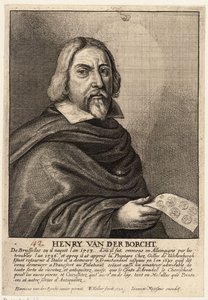
hendrik van der borcht
1583 - 1655 , Belgium
Quick Facts
- Artistic Movement Or Style: Baroque
- Artists Or Movements Influenced By This Artist: ['Anthonie Mirou']
- Artists Who Influenced This Artist: ['Anton Mirou']
- Date Of Birth: Brussels, Belgium (1583)
- Date Of Death: 1655
- Full Name: Hendrik van der Borcht
- Nationality: Flemish
- Notable Artworks:
- Still-Life with Rarity Collection
- Forest Landscape
- Place Of Birth: Brussels
Related Articles
Early Netherlandish Masters: 10 Paintings That Revolutionized Art & Decor
Journey into the Early Netherlandish Renaissance! Explore 10 iconic paintings by Jan van Eyck, Rogier van der Weyden & more. Discover stunning detail, symbolism, and oil painting techniques. Find museum-quality art reproductions for your home at ArtsDot.com.
Hugo van der Goes: Devotion, Innovation & the Psychological Depth of Early Netherlandish Painting
Explore the revolutionary art of Hugo van der Goes – a master of Early Netherlandish painting renowned for his dramatic realism, psychological depth & profound influence on Renaissance artists. Discover his iconic works and lasting legacy.

Rembrandt's Masterpieces: Explore 25 Iconic Paintings & Prints | ArtsDot
Journey through Rembrandt van Rijn's 25 most iconic paintings & etchings. Explore Dutch Golden Age masterpieces, dramatic chiaroscuro, and timeless portraits. Find museum-quality art reproductions to elevate your home decor on ArtsDot.com.
Early Netherlandish Masters: 10 Paintings That Revolutionized Art & Decor
Journey into the world of Early Netherlandish painting! Explore 10 masterpieces by Jan van Eyck, Rogier van der Weyden & more. Discover stunning detail, symbolism & Renaissance art for your home decor. Find museum-quality reproductions on ArtsDot.com
Abraham Hendricksz van Beyeren: Pioneering Dutch Still Life & the Banquet Tradition
Explore the captivating world of Dutch Golden Age still life with Abraham van Beyeren. Discover his innovative techniques, symbolic banquet scenes & lasting influence on art history. Learn about collecting these masterpieces.