

 Preview
 Send
Send Share
Share
 Details

 Download
 Similars
 X-Ray
X-Ray Diaporama
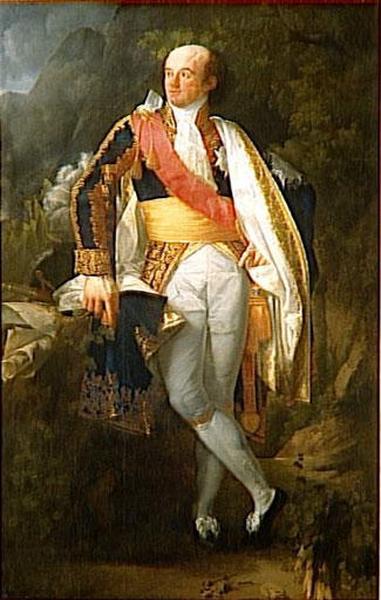
DOMINIQUE CATHERINE, MARQUIS PERIGNON, MARECHAL DE FRANCE (1754 1818)
 Read More
Purchase a high-resolution, enhanced digital image, far superior to the online preview.
Each file is meticulously prepared by our in-house specialists using advanced tools and expert manual retouching. We ensure every image has exceptional clarity, precise color accuracy, and fine detail.
The final file is delivered via email within 72 hours, optimized for immediate use in professional, editorial, and print environments. This is the same quality trusted by top-tier design studios, publishers, and galleries.
Digital Image
Download a high-resolution file for personal display, printing, and creative projects. ( Buy Print Buy Hand Made Painting)
Included in Every Digital Image Order
Expert Digital Delivery, Guaranteed
When you choose ArtsDot.com, you're not just getting an image - you're receiving a professionally enhanced digital artwork, crafted with precision and backed by a satisfaction guarantee. Here's everything that comes with your order, automatically:

Fast Email Delivery
Your high-resolution digital image file will be emailed to you within 72 hours of ordering - ready for immediate use.

AI-Enhanced Digital File
Your artwork is professionally optimized using advanced AI tools and manual editing, ensuring maximum detail, clarity, and color accuracy.

Free Lifetime Re-Delivery
Accidentally deleted or lost your file? No worries - we'll resend it to you anytime, free of charge.

No Import Fees - Ever
Enjoy your artwork instantly with zero customs, duties, or delivery fees - digital downloads are always tax-free.

Color Accuracy Guarantee
We ensure your digital image reflects the original colors as closely as possible using professional tools and color management.

60-Day Satisfaction Guarantee
If you're not satisfied with your digital image, we'll revise it or refund 100% within 60 days - no questions asked.

100% Money-Back Guarantee
Not satisfied? Get a full refund within 60 days of receiving your digital file - no questions asked.

Bulk Order Discounts
Buy 3 images, save 10% - Buy 5, save 15% - Buy 10+, save 20%. Great for creative projects, galleries, and agencies.
Related Artworks










Artist Biography
Early Life and Artistic Formation
Philippe Auguste Hennequin, born in 1762, emerged from a France poised on the cusp of revolution. While biographical details of his early years remain somewhat elusive, we know he initially honed his skills under the tutelage of Per Eberhard Cogell, a Swedish artist practicing in Lyon. This foundation provided him with a solid grounding in technique and an appreciation for classical form. However, Hennequin’s ambition led him to Paris, where he sought further instruction from Jacques-Louis David, the leading Neoclassical painter of the era. David's emphasis on moral subject matter, precise draftsmanship, and historical accuracy would profoundly shape Hennequin’s artistic trajectory. This period was crucial in establishing his commitment to large-scale history painting—a genre considered the pinnacle of academic achievement. The burgeoning political unrest of the late 1780s and early 1790s undoubtedly influenced the young artist, setting a stage for themes that would later dominate his work.Rome and the Tumultuous Years of Revolution
Driven by patronage from an English benefactor, Hennequin traveled to Rome, a traditional destination for aspiring French artists seeking inspiration in the masterpieces of antiquity and the Renaissance. His time there, however, was cut short by the escalating anti-French sentiment sweeping across Europe. The riots of 1793 forced his hasty departure, marking a turning point in his career. This experience instilled in him not only a sense of displacement but also a heightened awareness of the political forces at play. Upon returning to France, Hennequin found himself navigating a rapidly changing landscape—the monarchy overthrown, the Republic established, and war engulfing the nation. He adapted by embracing the new order, channeling his artistic talents into depicting scenes that celebrated the ideals of the Revolution and the rising power of Napoleon Bonaparte.The Napoleonic Era: Grand Compositions and Public Commissions
The First French Empire provided Hennequin with a fertile ground for his ambitions. He secured prestigious commissions to create large-scale historical compositions, works designed to glorify Napoleon’s military triumphs and the burgeoning national identity. His *Distribution of the Légion d'honneur at the Boulogne Camp* (1806) exemplifies this period—a dynamic scene capturing the moment of recognition for soldiers serving under Bonaparte. Similarly, his *Battle of the Pyramids* (1806) showcased his ability to depict dramatic historical events with a sense of scale and grandeur. Perhaps his most ambitious undertaking was *The Triumph of the French People on 10 August 1799*, a monumental canvas measuring four by six meters. This work, which initially garnered him first prize at the Paris Salon, unfortunately suffered a fragmented fate; in 1820, it was divided into sections and dispersed among museums in Rouen, Angers, Le Mans, and Caen—a testament to both its size and the shifting political winds. These paintings weren’t merely depictions of events; they were carefully constructed narratives intended to reinforce Napoleon's authority and inspire patriotic fervor.Restoration Exile and Later Life
The Bourbon Restoration brought a dramatic shift in artistic tastes and patronage. Hennequin, associated with the Napoleonic regime, found himself increasingly marginalized. He made the difficult decision to enter self-imposed exile in Belgium, where he accepted a position as director of the Académie de Tournai. This move allowed him to continue his artistic practice but also signaled a retreat from the center of the French art world. Despite holding this prestigious post, Hennequin struggled financially and died in poverty in 1833. His later years were marked by a sense of disillusionment, a stark contrast to the earlier period of success and acclaim.Legacy and Historical Significance
While Philippe Auguste Hennequin may not be as widely recognized today as some of his contemporaries like David or Ingres, his work offers valuable insights into the artistic climate of late 18th- and early 19th-century France. He was a skilled history painter who adeptly navigated the changing political landscape, adapting his style to suit the needs of successive regimes. His paintings provide a visual record of key moments in French history, from the fervor of the Revolution to the grandeur of the Napoleonic Empire. The drawings held at the Musée des Beaux-Arts de Lyon offer further evidence of his technical mastery and artistic vision. Hennequin’s career serves as a reminder that art is often inextricably linked to politics, patronage, and the broader currents of social change. He represents a generation of artists who sought to capture the spirit of their time—a time defined by upheaval, ambition, and ultimately, transformation.- Key Influences: Jacques-Louis David, Per Eberhard Cogell
- Major Themes: Historical events, Napoleonic campaigns, French Revolution
- Notable Works: *Distribution of the Légion d'honneur at the Boulogne Camp*, *Battle of the Pyramids*, *The Triumph of the French People on 10 August 1799*
hennequin philippe auguste
1762 - 1833
Quick Facts
- Artistic Movement Or Style: Historical Painting
- Artists Or Movements Influenced By This Artist: ['David']
- Artists Who Influenced This Artist: ['Per Eberhard Cogell']
- Date Of Birth: 1762
- Date Of Death: 1833
- Full Name: Philippe Auguste Hennequin
- Nationality: French
- Notable Artworks:
- Napoleon Distributing the Legion of Honour at the Camp of Boulogne
- A Battle of the Pyramids
- The Triumph of the French people on 10 August
- Place Of Birth: Lyon, France

