

 Preview
 Send
Send Share
Share
 Details

 Download
 Similars
 X-Ray
X-Ray Diaporama
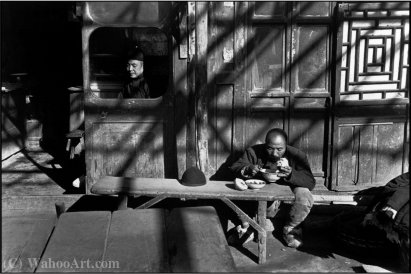
Pekin china large

 Read More
Purchase a high-resolution, enhanced digital image, far superior to the online preview.
Each file is meticulously prepared by our in-house specialists using advanced tools and expert manual retouching. We ensure every image has exceptional clarity, precise color accuracy, and fine detail.
The final file is delivered via email within 72 hours, optimized for immediate use in professional, editorial, and print environments. This is the same quality trusted by top-tier design studios, publishers, and galleries.
Digital Image
Download a high-resolution file for personal display, printing, and creative projects. ( Buy Print Buy Hand Made Painting)
Included in Every Digital Image Order
Expert Digital Delivery, Guaranteed
When you choose ArtsDot.com, you're not just getting an image - you're receiving a professionally enhanced digital artwork, crafted with precision and backed by a satisfaction guarantee. Here's everything that comes with your order, automatically:

Fast Email Delivery
Your high-resolution digital image file will be emailed to you within 72 hours of ordering - ready for immediate use.

AI-Enhanced Digital File
Your artwork is professionally optimized using advanced AI tools and manual editing, ensuring maximum detail, clarity, and color accuracy.

Free Lifetime Re-Delivery
Accidentally deleted or lost your file? No worries - we'll resend it to you anytime, free of charge.

No Import Fees - Ever
Enjoy your artwork instantly with zero customs, duties, or delivery fees - digital downloads are always tax-free.

Color Accuracy Guarantee
We ensure your digital image reflects the original colors as closely as possible using professional tools and color management.

60-Day Satisfaction Guarantee
If you're not satisfied with your digital image, we'll revise it or refund 100% within 60 days - no questions asked.

100% Money-Back Guarantee
Not satisfied? Get a full refund within 60 days of receiving your digital file - no questions asked.

Bulk Order Discounts
Buy 3 images, save 10% - Buy 5, save 15% - Buy 10+, save 20%. Great for creative projects, galleries, and agencies.
Related Artworks
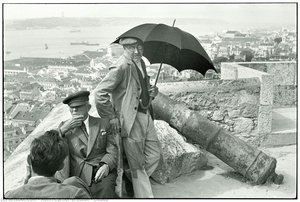
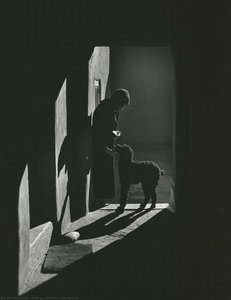
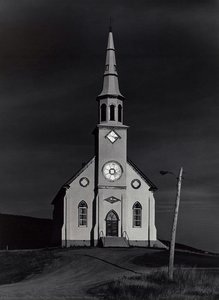
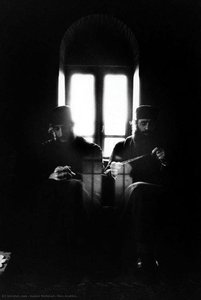
Artist Biography
A Life Composed in Moments: The World Through the Lens of Henri Cartier-Bresson
Henri Cartier-Bresson, born into a privileged French family in 1908, wasn’t destined for the artistic path he so brilliantly forged. His lineage was steeped in the textile industry—the “Cartier-Bresson thread” a common fixture in French households—and expectations leaned towards him inheriting the family business. Yet, from an early age, a different calling resonated within him, a fascination with capturing the world not through commerce, but through observation and art. His childhood, split between Chanteloup-en-Brie and Normandy, instilled in him a deep appreciation for the French landscape and a contemplative spirit that would later define his photographic vision. Though receiving a traditional bourgeois education at École Fénelon, preparing for Lycée Condorcet, young Henri’s true lessons began with sketching and experimenting with a simple box brownie camera—a nascent exploration of light, form, and composition. He studied painting under André Lhote, absorbing the principles of Cubism integrated with classical forms, a foundation that would profoundly influence his photographic eye, teaching him to see geometry within chaos. His intellectual curiosity extended far beyond art; he immersed himself in the works of Dostoevsky, Schopenhauer, Rimbaud, Nietzsche, Freud, Proust, Joyce, Hegel, Engels and Marx—a diverse range of thinkers who shaped his understanding of human nature and societal forces.The Decisive Moment: A Philosophy Takes Shape
The 1920s marked a pivotal period in Cartier-Bresson’s artistic development as he became entangled with the Surrealist movement, frequenting Café Cyrano and absorbing their techniques of tapping into the subconscious. This exploration of the irrational and unexpected found its expression in his early photography. However, it was the advent of the Leica 35mm camera that truly unlocked his potential. Its compact size and speed allowed for discreet, candid shooting—essential for capturing fleeting moments unnoticed. From this technical freedom emerged Cartier-Bresson’s defining concept: “the decisive moment.” It wasn't merely about timing; it was a profound understanding of composition, light, and subject matter converging at the precise instant to reveal a narrative truth. He didn’t *create* the scene, but rather *recognized* its inherent poetry, acting as a silent witness to life unfolding. This philosophy was deeply rooted in his admiration for Renaissance masters like Jan van Eyck, Paolo Uccello, Masaccio, and Piero della Francesca—artists who understood the power of geometric precision and balanced composition. The Surrealists’ recognition of unintended meanings within ordinary photographs also played a crucial role, encouraging him to see beyond the surface and discover hidden layers of significance.Witnessing History: From War to Magnum
Cartier-Bresson's life was inextricably linked with the tumultuous events of the 20th century. His early travels in the 1930s took him across Mexico, Europe, and beyond, documenting diverse cultures and social realities. The outbreak of World War II saw him serving in the French Resistance, followed by work for the MNPGD, a clandestine organization aiding escaped prisoners of war—experiences that instilled within him a deep sense of empathy and a commitment to bearing witness. A watershed moment arrived in 1947 with the co-founding of Magnum Photos alongside Robert Capa, David Seymour, and George Rodger. This revolutionary agency prioritized photographer control and independence, challenging the traditional power dynamics of photojournalism. Cartier-Bresson became a leading figure in humanist photography, focusing on everyday life and human dignity. He wasn’t interested in sensationalism or spectacle; instead, he sought to capture moments of joy, sorrow, struggle, and resilience that resonated with universal truths. His assignments were diverse—from documenting the coronation of Queen Elizabeth II and the Algerian War to covering political campaigns—but his approach remained consistent: a quiet observation, a respect for his subjects, and an unwavering commitment to capturing “the decisive moment.”A Lasting Legacy: The Father of Modern Street Photography
Henri Cartier-Bresson’s influence on the world of photography is immeasurable. He is widely considered the father of modern street photography, establishing its conventions and aesthetic principles. His concept of “the decisive moment” became a cornerstone of photographic theory and practice, inspiring generations of photographers to hone their observational skills and seek out those fleeting instances where meaning crystallizes. Beyond technique, Cartier-Bresson championed a humanist perspective, emphasizing empathy and understanding for the subjects he portrayed. He believed that photography could be a powerful tool for social commentary and cultural exchange. His co-founding of Magnum Photos revolutionized photojournalism, empowering photographers to maintain creative control over their work and report independently. Even as he largely abandoned photography in the 1970s to return to painting—a testament to his lifelong dedication to artistic exploration—his legacy continued to grow. His images remain timeless testaments to the beauty, complexity, and fragility of the human condition. He left behind a body of work that continues to inspire awe and provoke thought, solidifying his place as one of the most important photographers of all time.Beyond the Image: A Continuing Influence
The impact of Cartier-Bresson extends beyond the realm of photography itself. His approach—a blend of artistic vision, technical mastery, and humanist sensibility—has influenced filmmakers, writers, and artists across various disciplines. His work serves as a reminder that true artistry lies not in manipulating reality, but in recognizing its inherent beauty and capturing it with honesty and grace. The Fondation Henri Cartier-Bresson, established in Paris, continues to preserve his legacy and promote the work of emerging photographers, ensuring that his vision will continue to inspire future generations. His photographs are not merely documents of a bygone era; they are enduring works of art that speak to the universal human experience—a testament to the power of observation, the importance of empathy, and the magic of “the decisive moment.”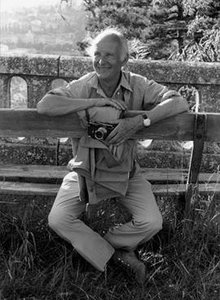
Henri Cartier-Bresson
1908 - 2004 , France
Quick Facts
- Artistic Movement Or Style: Street photography
- Artists Or Movements Influenced By This Artist:
- Street photographers
- Magnum Photos
- Artists Who Influenced This Artist:
- André Lhote
- Jan van Eyck
- Paolo Uccello
- Date Of Birth: 1908
- Date Of Death: 2004
- Full Name: Henri Cartier-Bresson
- Nationality: French
- Notable Artworks:
- Istanbul turquie
- Alberto Giacometti
- New Chinese woman
- Place Of Birth: Chanteloup, France

