 Preview
 Send
Send Share
Share
 Details

 Download
 Similars
 X-Ray
X-Ray Diaporama
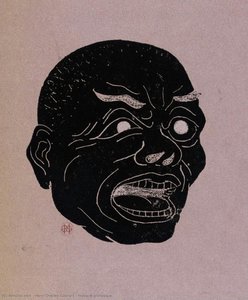
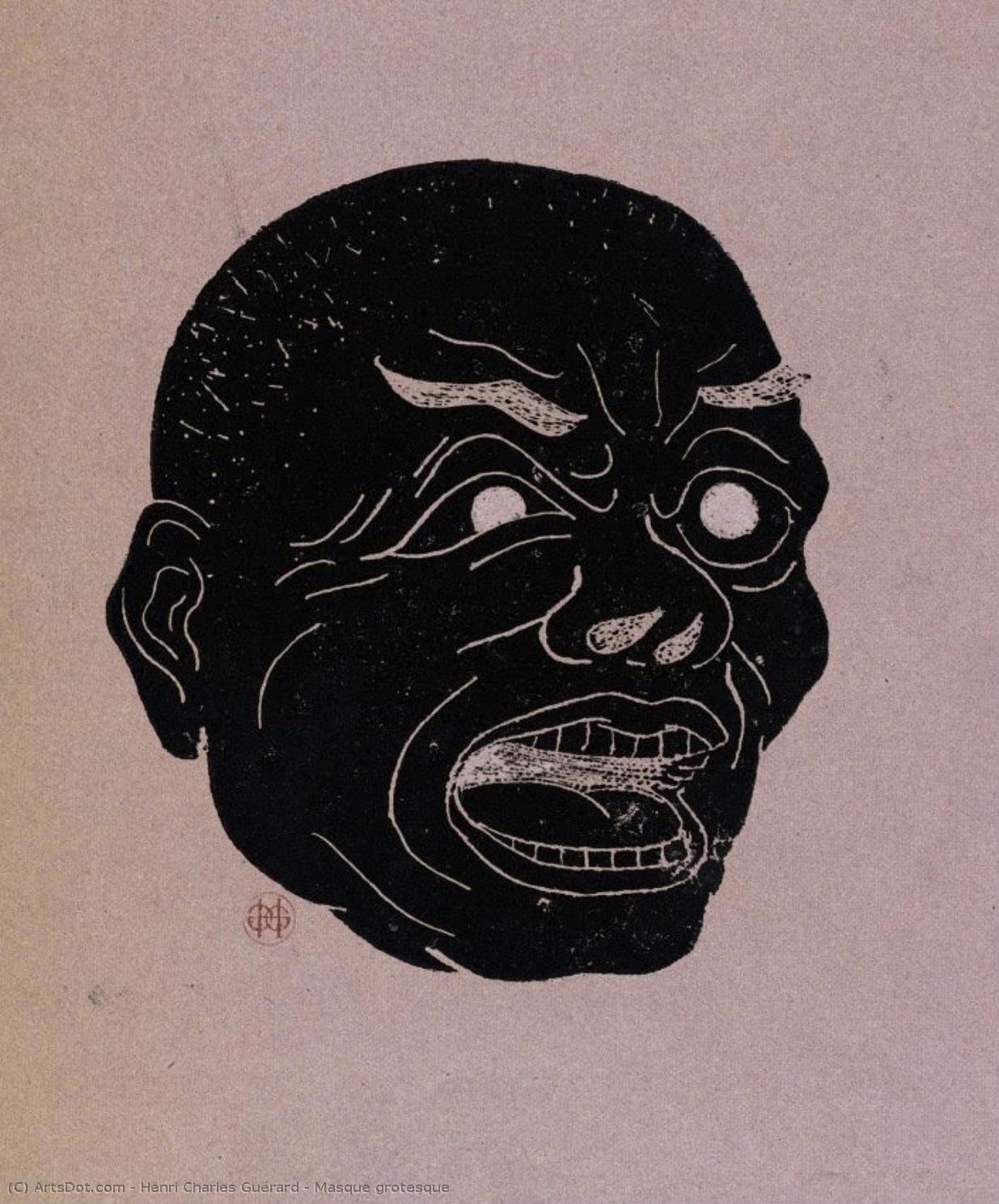
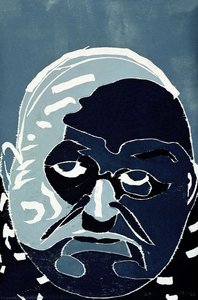
Masque grotesque
 1888
1888 24.0 x 17.0 cm
 Los Angeles County Museum of Art
 Read More
Hand Made Oil Reproduction
Hand-painted oil on canvas in your size and frame, made to order by our artists. ( Buy Print Buy Image)




































Pick from our preset sizes that match the artwork's original proportions.

You may enter your own dimensions to fit a specific frame or space. If your selected size does not match the original image's proportions, we will either crop the artwork or extend the painting with additional hand-painted elements. A digital mockup will be sent for your approval before production begins.
Please note that the on-screen preview does not reflect the actual cropping or extension. Only the mockup will accurately show the final composition.
While custom sizes are available, we recommend selecting a dimension from the predefined list to preserve the original proportions.
After order, ArtsDot.com team will email client for instructions and provide a mockup preview
Worldwide Delivery () in 3/4 weeks instead of standard 5 weeks. (17 August). No compromise on quality.

Free Worldwide Express Shipping

High-Quality Linen Canvas

Full Shipping Insurance

Customs Tax Refund Guarantee

True Color Matching Guarantee

60-Day Return Policy (Defects Only)

100% Money-Back Guarantee

Bulk Discount Offer
 Glass option is only available in size under 110 CM

Masque grotesque
Reproduction Medium
Reproduction Size
-


Total Price
$ 263
Related Artworks
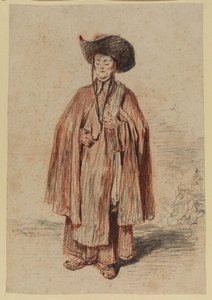
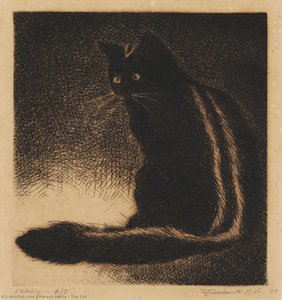
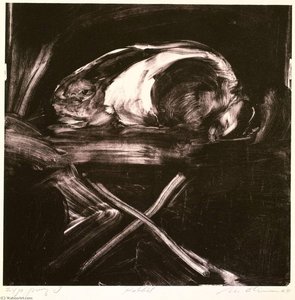
Artist Biography
Giuseppe De Nittis: A Painter of Light and Italian Soul
Giuseppe De Nittis (1846 – 1884) stands as a pivotal figure in the transition between academic painting and the burgeoning Impressionism that swept across Europe. More than simply an artist, he was a conduit—a bridge connecting the established traditions of Italian art with the revolutionary techniques and philosophies emerging from Paris. His canvases, imbued with a palpable sense of atmosphere and a deep connection to the natural world, reveal a unique artistic voice shaped by his birthplace in Barletta, Southern Italy, and his subsequent life immersed in the vibrant cultural landscape of France.
Born into a family deeply rooted in the land and politics of Apulia, De Nittis’s early years were marked by both privilege and political unrest. His father, Raffaele, a wealthy landowner and outspoken critic of the Bourbon monarchy, instilled in him a strong sense of social justice and an independent spirit. This upbringing profoundly influenced his artistic perspective, shaping a desire to capture not just appearances but also the emotional resonance of everyday life. His expulsion from the Reale Istituto di Belle Arti in Naples for insubordination at the age of 21 was a formative experience, forcing him to forge his own path and ultimately leading him to embrace a more direct approach to painting – one that prioritized observation and the fleeting effects of light.
- Early Influences: De Nittis’s artistic development began under the tutelage of Giovanni Battista Calò, a local painter who provided a solid foundation in traditional techniques. However, it was his exposure to the Macchiaioli movement in Florence that truly ignited his creative imagination. The Macchiaioli, known for their use of loose brushstrokes and vibrant color patches, encouraged De Nittis to break free from rigid academic conventions and explore the expressive potential of color and light.
- Parisian Sojourn: A pivotal moment arrived in 1867 when De Nittis moved to Paris, a hub of artistic innovation at the time. He entered into a contract with Adolphe Goupil, a prominent art dealer, which initially dictated that he produce commercially viable genre paintings – scenes of everyday life intended for sale. While this arrangement provided him with financial stability and exposure, it also constrained his creative freedom.
- Breaking Free: Recognizing the limitations imposed by his contract, De Nittis eventually severed ties with Goupil in 1872, liberating himself to pursue his own artistic vision. This decision proved transformative, allowing him to fully embrace Impressionistic techniques and explore his preferred subjects – landscapes, portraits, and scenes of rural life.
The Language of Light: De Nittis’s Technique
De Nittis's distinctive style is characterized by a masterful manipulation of light and color. He eschewed the meticulous detail favored by academic painters in favor of loose brushstrokes, vibrant hues, and an emphasis on capturing the ephemeral qualities of natural light. His technique can be described as “macchiano,” a term derived from the Macchiaioli movement, referring to his use of dabs or patches of color applied directly to the canvas – a method that created a sense of immediacy and spontaneity.
- Color Theory: De Nittis was deeply interested in color theory, meticulously studying the way light interacts with different surfaces. He often worked *en plein air* (outdoors), allowing him to directly observe and translate the shifting effects of sunlight onto his canvases.
- Atmospheric Perspective: His landscapes are particularly notable for their skillful use of atmospheric perspective – a technique that creates the illusion of depth by gradually reducing the intensity and saturation of colors as they recede into the distance.
- Brushwork: De Nittis’s brushstrokes were typically short, broken, and expressive, conveying a sense of movement and vitality. He avoided blending colors completely, instead allowing them to mingle and create subtle transitions that enhanced the overall luminosity of his paintings.
Key Works and Historical Context
De Nittis’s oeuvre encompasses a diverse range of subjects, reflecting his evolving artistic interests and his deep connection to both Italian and French landscapes. His most celebrated works include *Che freddo!* (1872), a poignant depiction of a winter scene that captures the stark beauty of the Apulian countryside; *The Olive Grove at Vernaccia* (1876), a luminous study of light and shadow in a rural setting; and numerous portraits, often characterized by their intimate portrayal of human emotion.
- “Che freddo!”: This painting, exhibited at the 1872 Paris Salon, is considered one of De Nittis’s masterpieces. Its evocative depiction of a solitary figure huddled against the cold captures the essence of Impressionistic art – its focus on capturing fleeting moments and subjective experiences.
- Vernaccia Landscape: This work exemplifies De Nittis's ability to translate the nuances of light and atmosphere onto canvas, creating a sense of tranquility and immersion in the natural world.
De Nittis’s artistic trajectory coincided with a period of significant social and political change in Italy. The unification of the country under King Victor Emmanuel II brought about profound transformations, but also exacerbated existing inequalities and tensions. De Nittis's art reflects this complex historical context, offering both a celebration of Italian beauty and a subtle critique of social injustice.
Legacy and Significance
Giuseppe De Nittis died prematurely in 1884 at the age of 37, leaving behind a relatively small but remarkably influential body of work. Despite facing numerous challenges throughout his career – including financial difficulties and artistic rejection – he persevered in pursuing his own unique vision. His innovative use of color, light, and brushstroke techniques paved the way for future generations of Italian Impressionists, solidifying his place as a key figure in the development of modern art. Today, De Nittis’s paintings are treasured for their beauty, emotional depth, and enduring appeal, offering viewers a glimpse into the soul of Italy and the transformative power of artistic expression.
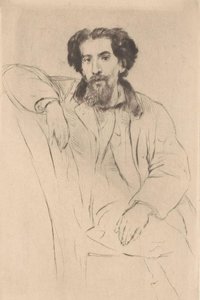
henri charles guérard
1846 - 1897 , France
Quick Facts
- Artistic Movement Or Style: Salon & Impressionism
- Artists Or Movements Influenced By This Artist:
- Macchiaioli
- Impressionism
- Artists Who Influenced This Artist: ['Giovanni Battista Calò']
- Date Of Birth: February 25, 1846
- Date Of Death: August 21, 1884
- Full Name: Giuseppe De Nittis
- Nationality: Italian
- Notable Artworks:
- Che freddo!
- Vesuvius views
- Place Of Birth: Barletta, Italy