 Preview
 Send
Send Share
Share
 Details

 Download
 Similars
 X-Ray
X-Ray Diaporama
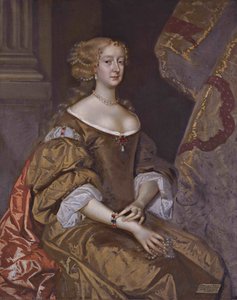
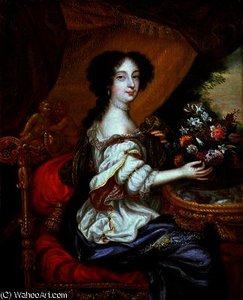
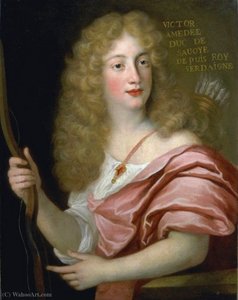
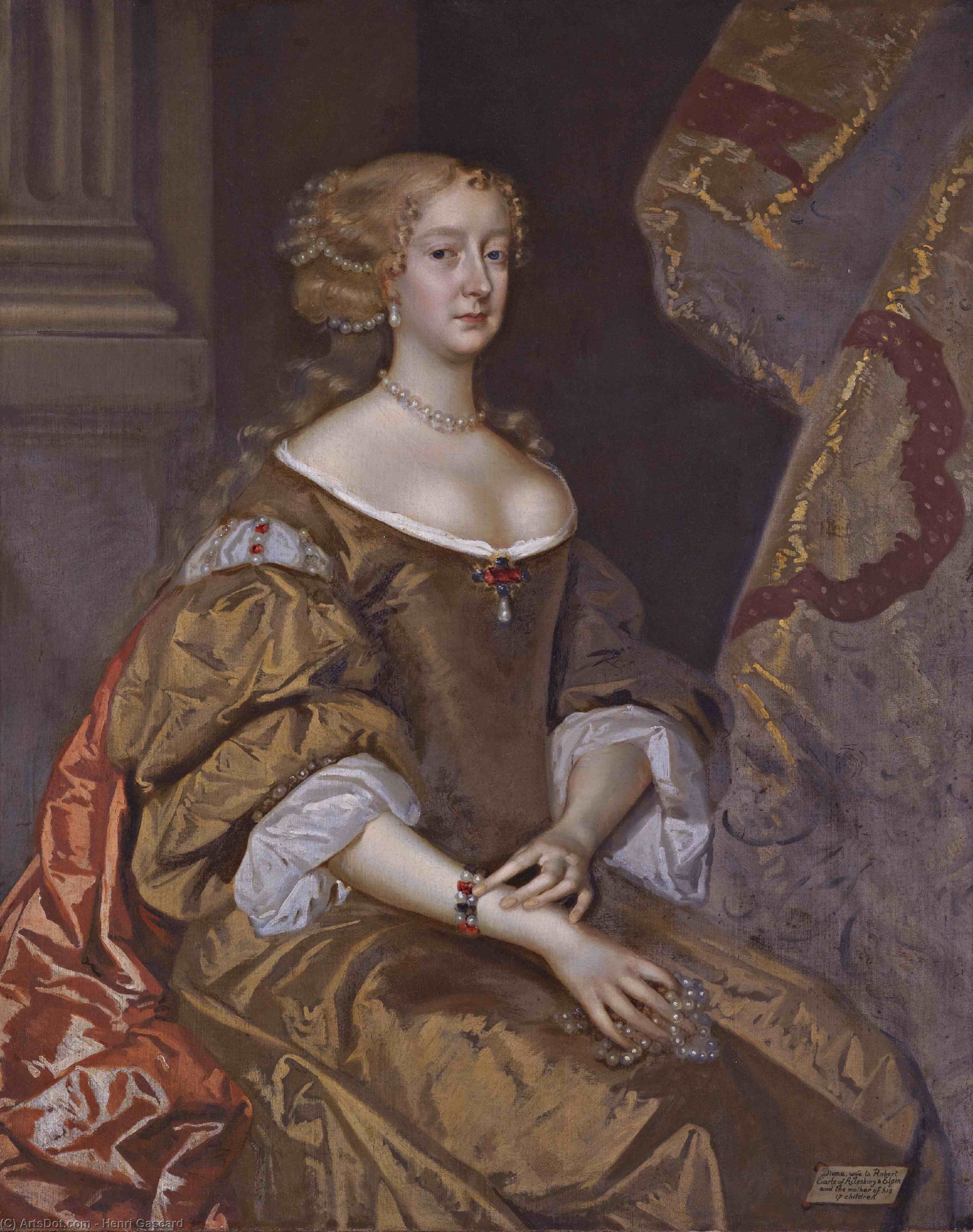
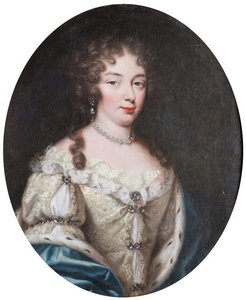
Diana
 Read More
Hand Made Oil Reproduction
Hand-painted oil on canvas in your size and frame, made to order by our artists. ( Buy Print Buy Image)




































Pick from our preset sizes that match the artwork's original proportions.

You may enter your own dimensions to fit a specific frame or space. If your selected size does not match the original image's proportions, we will either crop the artwork or extend the painting with additional hand-painted elements. A digital mockup will be sent for your approval before production begins.
Please note that the on-screen preview does not reflect the actual cropping or extension. Only the mockup will accurately show the final composition.
While custom sizes are available, we recommend selecting a dimension from the predefined list to preserve the original proportions.
After order, ArtsDot.com team will email client for instructions and provide a mockup preview
Worldwide Delivery () in 3/4 weeks instead of standard 5 weeks. (18 August). No compromise on quality.

Free Worldwide Express Shipping

High-Quality Linen Canvas

Full Shipping Insurance

Customs Tax Refund Guarantee

True Color Matching Guarantee

60-Day Return Policy (Defects Only)

100% Money-Back Guarantee

Bulk Discount Offer
 Glass option is only available in size under 110 CM

Diana
Reproduction Medium
Reproduction Size
-


Total Price
$ 263
Related Artworks
Artist Biography
The Splendor of the Baroque: The Life and Art of Henri Gascard
In the grand, theatrical tapestry of the seventeenth century, few painters captured the shimmering superficiality and underlying drama of courtly life as vividly as Henri Gascard. Born in Paris around 1635, Gascard emerged from a lineage of artistic endeavor, likely the son of Pierre Gascar, a painter and sculptor of modest renown. His early years were shaped by the vibrant pulse of French artistry, yet his spirit was far too expansive to be confined to a single capital. As a young man, he journeyed to Rome in 1659, an experience that would inevitably infuse his work with the classical grandeur and dramatic light characteristic of the Italian Baroque. This formative period allowed him to absorb the monumental scale of Roman masters, preparing him for a career that would eventually bridge the cultural landscapes of France, England, and Italy.
The true zenith of Gascard’s influence, however, was reached not in the halls of Paris, but within the opulent, often scandalous courts of Restoration England. Around 1674, drawn by the magnetic pull of patronage, Gascard arrived in London. He was famously championed by Louise de Keroualle, the Duchess of Portsmouth, one of the most powerful and celebrated mistresses of King Charles II. This connection provided him with unparalleled access to the highest echelons of English society. In an era where the monarchy was rebuilding its prestige following the austerity of Cromwell’s Commonwealth, Gascard’s arrival was a breath of much-needed continental flair. He brought with him a style that was unapologetically flamboyant, offering a striking contrast to the more somber and stolid English portraiture of the time.
A Master of Opulence and Ornamentation
To observe a Gascard portrait is to witness a celebration of texture, light, and social theater. While some critics of his era noted a certain lack of rigorous anatomical precision in his likenesses, they were quick to concede that he compensated for such subtleties through an unparalleled mastery of ornamentation. He possessed a singular ability to render the tactile reality of sumptuous draperies, shimmering silks, and the intricate lace that defined aristocratic fashion. His canvases were not merely records of faces, but stages upon which the wealth and status of his subjects were performed through the medium of paint.
His technique was deeply rooted in the Baroque tradition, utilizing chiaroscuro to sculpt figures out of deep, atmospheric shadows. This interplay of light served to highlight the "tawdry adornments" and brilliant jewels that adorned his sitters, creating a sense of movement and vitality. His work often featured:
- Regal Portraits: Capturing the commanding presence of monarchs such as Charles II and James II, emphasizing their divine right and political authority.
- Courtly Ladies: Evoking the elegance and fashionable allure of figures like Barbara, Duchess of Cleveland, and the influential Duchess of Portsmouth.
- Dynamic Composition: Using rich color palettes and dramatic lighting to convey the psychological energy of the Restoration court.
Legacy and the Final Roman Chapter
The trajectory of Gascard’s life eventually led him back toward the Mediterranean. After a period of immense success in England—where it is said he amassed a significant fortune—he returned to Paris, eventually finding his final resting place in Rome, where he died on January 1, 1701. His career represents a fascinating cultural bridge; he was an artist who could translate the French sense of elegance and the Italian mastery of light into a language that satisfied the English craving for prestige and spectacle.
Today, the historical significance of Henri Gascard lies in his role as a chronicler of an era defined by transition. He captured the fleeting moment when the rigid structures of the past were giving way to the decorative excesses of the late Baroque. Through his brush, we see the faces of a lost world—a world of powdered wigs, silken gowns, and the intense, performative politics of the royal court. His works, preserved in esteemed collections such as the Hermitage and various English estates, remain enduring testaments to the power of art to embody the splendor and the vanity of human ambition.
henri gascard
1635 - 1701 , France
Quick Facts
- Artistic Movement Or Style: Baroque
- Date Of Birth: Paris, France (1635)
- Date Of Death: 1701
- Full Name: Henri Gascard
- Nationality: French
- Notable Artworks:
- Charles II At Court
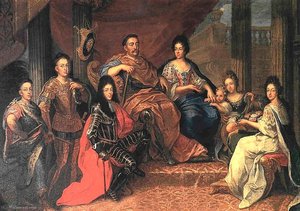
- John III Sobieski with his family
- James II of England
- Place Of Birth: Paris