

 Preview
 Send
Send Share
Share
 Details

 Download
 Similars
 X-Ray
X-Ray Diaporama
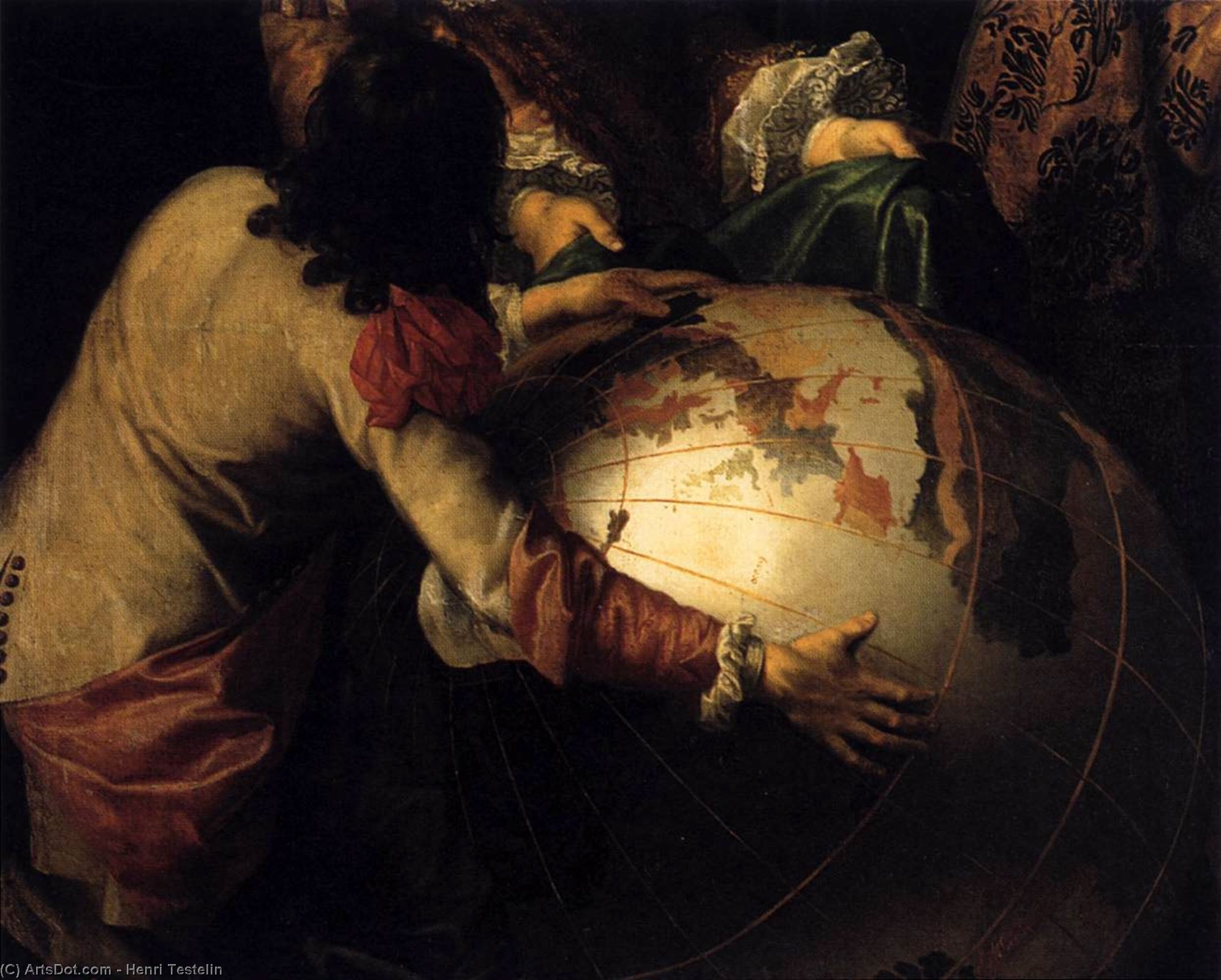
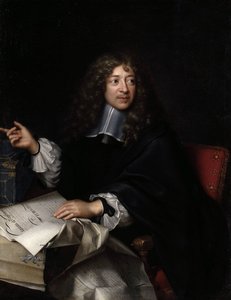
Colbert Presenting the Members of the Royal Academy of Sciences to Louis XIV in 1667 (detail)


 Read More
Purchase a high-resolution, enhanced digital image, far superior to the online preview.
Each file is meticulously prepared by our in-house specialists using advanced tools and expert manual retouching. We ensure every image has exceptional clarity, precise color accuracy, and fine detail.
The final file is delivered via email within 72 hours, optimized for immediate use in professional, editorial, and print environments. This is the same quality trusted by top-tier design studios, publishers, and galleries.
Digital Image
Download a high-resolution file for personal display, printing, and creative projects. ( Buy Print Buy Hand Made Painting)
Included in Every Digital Image Order
Expert Digital Delivery, Guaranteed
When you choose ArtsDot.com, you're not just getting an image - you're receiving a professionally enhanced digital artwork, crafted with precision and backed by a satisfaction guarantee. Here's everything that comes with your order, automatically:

Fast Email Delivery
Your high-resolution digital image file will be emailed to you within 72 hours of ordering - ready for immediate use.

AI-Enhanced Digital File
Your artwork is professionally optimized using advanced AI tools and manual editing, ensuring maximum detail, clarity, and color accuracy.

Free Lifetime Re-Delivery
Accidentally deleted or lost your file? No worries - we'll resend it to you anytime, free of charge.

No Import Fees - Ever
Enjoy your artwork instantly with zero customs, duties, or delivery fees - digital downloads are always tax-free.

Color Accuracy Guarantee
We ensure your digital image reflects the original colors as closely as possible using professional tools and color management.

60-Day Satisfaction Guarantee
If you're not satisfied with your digital image, we'll revise it or refund 100% within 60 days - no questions asked.

100% Money-Back Guarantee
Not satisfied? Get a full refund within 60 days of receiving your digital file - no questions asked.

Bulk Order Discounts
Buy 3 images, save 10% - Buy 5, save 15% - Buy 10+, save 20%. Great for creative projects, galleries, and agencies.
A Moment Frozen in Baroque Grandeur
In this evocative detail from Henri Testelin’s masterpiece, we are transported to the opulent corridors of 17th-century French history. The scene captures a profound moment of intellectual and political gravity, centered around the presentation of the members of the Royal Academy of Sciences to the Sun King, Louis XIV. While the broader composition celebrates the dawn of scientific enlightenment under royal patronage, this specific detail invites us into a more intimate, contemplative space. A central figure, lost in deep thought, cradles a large, intricate globe—a powerful emblem of human ambition and the era's burgeoning thirst for global knowledge. The atmosphere is thick with the weight of discovery, as if the very air within the chamber holds the breath of an age on the precipice of transformation.
The artistry of Testelin is nothing short of mesmerizing, utilizing a masterful chiaroscuro technique to sculpt light and shadow across the canvas. The lighting is dramatic and selective, emerging from deep, velvety darkness to illuminate the textures that define the scene's tactile reality. One can almost feel the heavy weight of the man’s velvet jacket and the delicate, ethereal touch of the lace cap worn by the sleeping figure in the background. This interplay of light does more than just provide visibility; it creates a sense of mystery and psychological depth, drawing the viewer into a world where the boundaries between reality and dream seem to blur.
Symbolism and the Language of Light
Every element within this composition serves a higher narrative purpose, making it an ideal piece for collectors who appreciate art with intellectual substance. The globe acts as the focal point of human endeavor, representing the mapped and unmapped reaches of the world that the Academy sought to master. Contrastingly, the presence of the sleeping woman introduces a layer of poignant symbolism; her vulnerability and stillness suggest the quiet, often overlooked dreams that exist alongside the rigorous pursuit of scientific truth. This duality between the active pursuit of knowledge and the passive state of dreaming creates a captivating emotional tension.
The color palette is a sophisticated arrangement of deep reds, earthy browns, and forest greens, punctuated by the regal glint of gold and soft creams. These tones evoke the warmth and prestige of the French court, lending the work an air of timeless authority. For the interior designer, this piece offers a profound sense of gravitas and historical elegance. Whether placed in a study, a library, or a grand salon, the painting serves as a conversation starter, anchoring a room with its rich textures and the somber, beautiful melancholy of the Baroque era.
A Legacy for the Modern Collector
Owning a reproduction of such a significant historical moment allows one to bring the spirit of the Enlightenment into a contemporary setting. Testelin’s meticulous brushwork and his ability to render the complex contours of faces and fabrics ensure that each viewing reveals new details. This is not merely a depiction of a historical event, but an exploration of the human condition—our curiosity, our ambitions, and our quiet moments of reflection. For those seeking to curate a collection that speaks to both prestige and profound emotion, this work stands as a testament to the enduring power of classical French portraiture.
Related Artworks



Artist Biography
A Portraitist of the Sun King’s Court: The Life and Art of Henri Testelin
Henri Testelin, born in Paris in 1616, emerged as a significant figure within the vibrant artistic landscape of 17th-century France. Though details surrounding his earliest training remain somewhat elusive, it is clear that he quickly developed a profound fascination with portraiture—a genre that would define his career and secure his place among the favored artists of Louis XIV’s court. He was born into an artistic family; his father, Gilles Testelin, served as painter to Louis XIII, and his brother, Louis Testelin, also achieved recognition as an artist. This familial foundation undoubtedly nurtured Henri's early inclinations and provided a crucial entry point into the competitive world of Parisian art. Immersed in the prevailing Baroque style, he absorbed influences that would shape his distinctive approach, demonstrating a keen eye for capturing not only physical likeness but also the subtle nuances of character and social standing within his subjects.Navigating Artistic Currents and Royal Favor
Testelin’s artistic development was deeply intertwined with the established portrait traditions of France, particularly those championed by artists like Jean Nocret and Charles Le Brun. From these masters, he gleaned a mastery of detail, refined brushwork, and an increasingly sophisticated understanding of color and composition. However, Testelin wasn't merely an imitator; he synthesized these influences into a style uniquely his own—one that resonated with the tastes of the French court. His rise to prominence was swift, fueled by his ability to portray Louis XIV not simply as a powerful monarch but as a complex individual possessing both authority and presence. Several of his paintings depicting the king, alongside portraits of other prominent figures, now grace the halls of the Palace of Versailles, serving as invaluable historical records and enduring artistic masterpieces. Beyond portraiture, Testelin demonstrated versatility in larger-scale compositions, such as *Foundation of the Académie de Sciences et l'Observatoire in 1666* and *Colbert Presenting the Members of the Royal Academy of Sciences to Louis XIV*, showcasing his skill in handling complex group scenes and historical narratives.A Scholar and Administrator of the Arts
Testelin’s contributions extended far beyond the canvas. He was a dedicated scholar and administrator, actively shaping the direction of French art through his involvement with the Académie Royale de Peinture et de Sculpture. In 1650, he became Secretary to the Academy, succeeding his brother Louis in this role, and later ascended to the position of Professor in 1656. These positions afforded him a platform to advocate for artistic standards and promote intellectual discourse within the art world. He championed the idea of regular lectures on art theory—a practice that quickly became central to the Académie’s activities. His commitment to documenting and disseminating knowledge culminated in the publication of *Sentimens des plus habiles peintres sur la pratique de la peinture et sculpture* in 1680, a comprehensive treatise reflecting the prevailing academic theories of the time. Furthermore, he authored *Mémoires pour servir à l'histoire de l'Académie royale de Peinture et de Sculpture*, providing an invaluable firsthand account of the Academy’s early years and its pivotal role in shaping French artistic identity.Exile and Enduring Legacy
Despite his success and significant contributions, Testelin faced a tragic turn of events later in life. The increasingly intolerant religious policies of Louis XIV led to his dismissal from the Academy in 1681 due to his Protestant faith. Forced into exile, he sought refuge in the Dutch Republic, ultimately dying in The Hague in 1695. This expulsion represents a poignant chapter in French art history, highlighting the challenges faced by artists who did not conform to the prevailing religious orthodoxy. Nevertheless, Henri Testelin’s legacy endures. His portraits offer invaluable insights into the lives and personalities of those who shaped the court of Louis XIV, while his writings provide crucial documentation of artistic practices and intellectual debates during a pivotal period in French history. He skillfully blended artistic talent with scholarly engagement, leaving behind a body of work that continues to captivate scholars and art enthusiasts alike—a testament to his enduring contribution to the Baroque era.Notable Works
- Portraits of Louis XIV: A series of paintings capturing the evolving image of the young king throughout his reign.
- Portrait of Pierre Seguier: A striking depiction of the Chancellor, showcasing Testelin’s skill in portraying aristocratic figures with dignity and precision.
- Foundation of the Académie de Sciences et l'Observatoire in 1666: A large-scale composition demonstrating his ability to handle complex group portraits and historical scenes, rich in detail and symbolic meaning.
- Colbert Presenting the Members of the Royal Academy of Sciences to Louis XIV: A detailed work illustrating a significant moment in French intellectual history, capturing the interplay between power, knowledge, and artistic representation.
Henri Testelin
1616 - 1695 , France
Quick Facts
- Artistic Movement Or Style: Baroque
- Artists Who Influenced This Artist:
- Jean Nocret
- Charles Le Brun
- Date Of Birth: 1616
- Date Of Death: 1695
- Full Name: Henri Testelin
- Nationality: French
- Notable Artworks:
- Portraits of Louis XIV
- Portrait of Pierre Seguier
- Foundation of Académie
- Colbert & Royal Academy
- Place Of Birth: Paris, France

