 Preview
 Send
Send Share
Share
 Details

 Download
 Similars
 X-Ray
X-Ray Diaporama
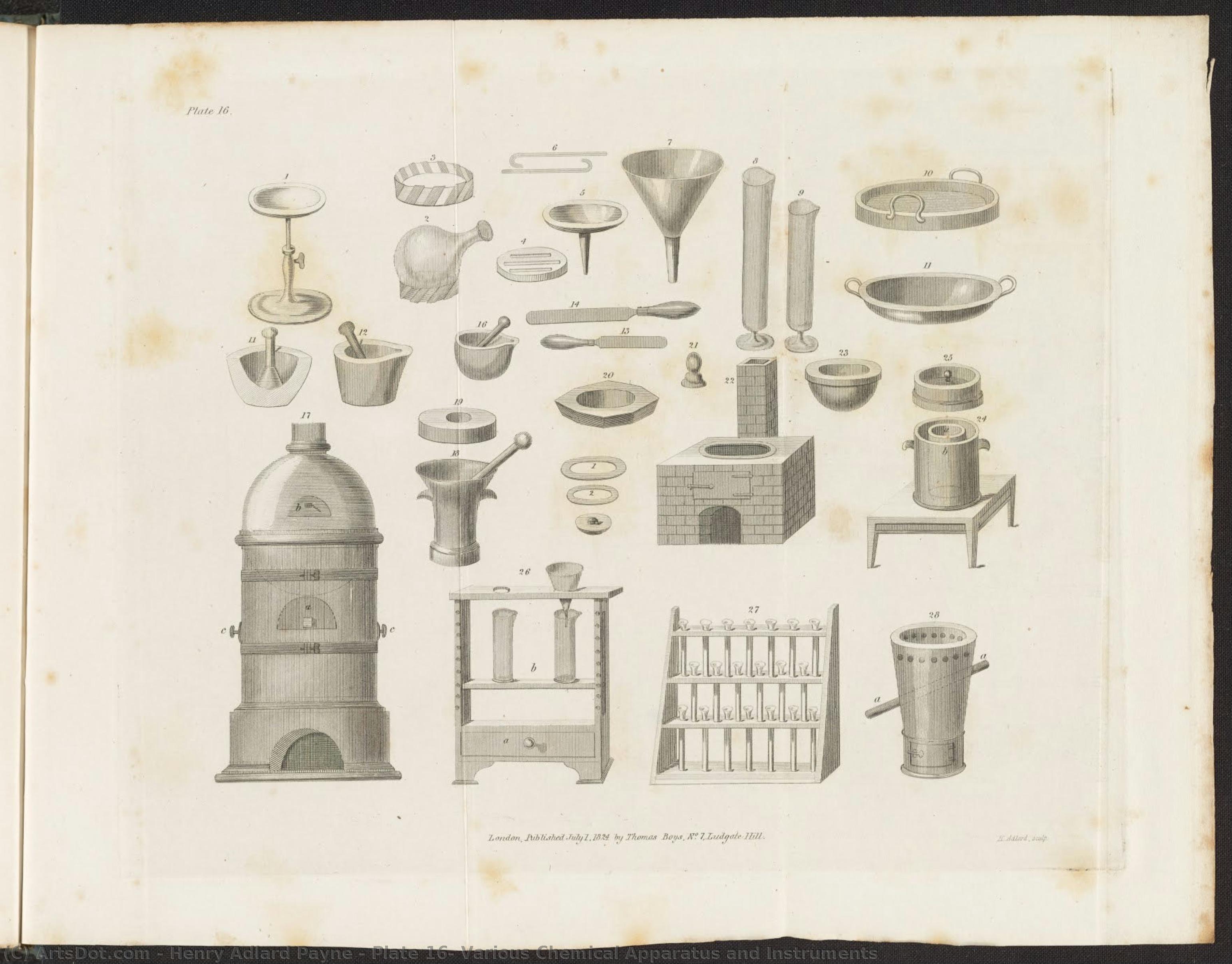
Plate 16: Various Chemical Apparatus and Instruments


 Read More
Hand Made Oil Reproduction
Hand-painted oil on canvas in your size and frame, made to order by our artists. ( Buy Print Buy Image)




































Pick from our preset sizes that match the artwork's original proportions.

You may enter your own dimensions to fit a specific frame or space. If your selected size does not match the original image's proportions, we will either crop the artwork or extend the painting with additional hand-painted elements. A digital mockup will be sent for your approval before production begins.
Please note that the on-screen preview does not reflect the actual cropping or extension. Only the mockup will accurately show the final composition.
While custom sizes are available, we recommend selecting a dimension from the predefined list to preserve the original proportions.
After order, ArtsDot.com team will email client for instructions and provide a mockup preview
Worldwide Delivery () in 3/4 weeks instead of standard 5 weeks. (27 August). No compromise on quality.

Free Worldwide Express Shipping

High-Quality Linen Canvas

Full Shipping Insurance

Customs Tax Refund Guarantee

True Color Matching Guarantee

60-Day Return Policy (Defects Only)

100% Money-Back Guarantee

Bulk Discount Offer
 Glass option is only available in size under 110 CM

Plate 16: Various Chemical Apparatus and Instruments
Reproduction Medium
Reproduction Size
-


Total Price
$ 263
Related Artworks









Artist Biography
Early Life and Artistic Foundations
Henry Adlard Payne, known as H.A. Payne, emerged from the vibrant artistic milieu of Victorian England in 1843, born in the bustling heart of London. While details surrounding his earliest upbringing remain somewhat elusive, it’s clear that he was destined for a life immersed in visual expression. The mid-19th century witnessed a flourishing demand for art reflecting both the romantic ideals of nature and the rapidly changing realities of urban life—a context that would profoundly shape Payne's artistic trajectory. He wasn’t born into privilege, but rather cultivated his skills through dedicated study and observation, laying the groundwork for a career defined by meticulous detail and evocative atmosphere. His initial training likely involved traditional methods, focusing on draftsmanship and an understanding of light and shadow—essential elements that would become hallmarks of his work.A Master of Landscape and Everyday Scenes
Payne quickly established himself as a painter and engraver specializing in landscapes and scenes of everyday life. He possessed a remarkable ability to capture the subtle nuances of the English countryside, from the rolling hills and tranquil waterways to the quaint villages nestled within them. However, he wasn’t solely devoted to idyllic rural settings; Payne also found beauty in the ordinary moments of Victorian society—bustling market squares, quiet domestic interiors, and the lives of working people. His paintings weren't grand historical narratives but intimate glimpses into a world undergoing significant transformation. This focus on realism, coupled with his refined technique, resonated with a growing audience eager for art that reflected their own experiences. He became particularly adept at watercolor, a medium perfectly suited to capturing the delicate light and atmospheric effects he so admired.Professional Recognition and Artistic Affiliations
Payne’s talent didn't go unnoticed by the established art world. He gained membership in prestigious societies—the Royal Society of Painters in Water Colours and the Royal Society of Painter-Etchers and Engravers—testaments to his skill and dedication. These affiliations provided him with valuable opportunities to exhibit his work alongside other leading artists of the time, further solidifying his reputation. Regular exhibitions at institutions like the Royal Academy, the British Institution, and the Royal Society of British Artists allowed Payne to reach a wider audience and garner critical acclaim. His participation in these events wasn’t merely about showcasing finished pieces; it was also an opportunity for professional networking and artistic exchange, fostering growth and innovation within his practice.Teaching and Legacy
Beyond his own artistic endeavors, Payne dedicated himself to education, serving as a teacher at the Westminster School of Art. This role speaks volumes about his commitment to nurturing the next generation of artists, sharing his knowledge and passion for painting and engraving. He wasn’t simply imparting technical skills but also instilling an appreciation for observation, composition, and the power of visual storytelling. While not widely celebrated as some of his contemporaries, Payne's work offers a valuable window into Victorian life and artistic sensibilities. His paintings and engravings continue to be appreciated for their meticulous detail, atmospheric quality, and ability to evoke a sense of nostalgia for a bygone era. He left behind a body of work that stands as a testament to the beauty found in both the grand landscapes and the quiet moments of everyday existence—a legacy that continues to inspire artists and art lovers alike. His influence can be seen in the continued appreciation for detailed landscape painting and the enduring appeal of Victorian realism.
henry adlard payne
1843 - 1912 , United Kingdom
Quick Facts
- Artistic Movement Or Style: Landscape, Engraving
- Date Of Birth: 1843
- Date Of Death: 1912
- Full Name: Henry Adlard Payne
- Nationality: English
- Notable Artworks: ['Plate 16: Various Chemical Apparatus']
- Place Of Birth: London, UK