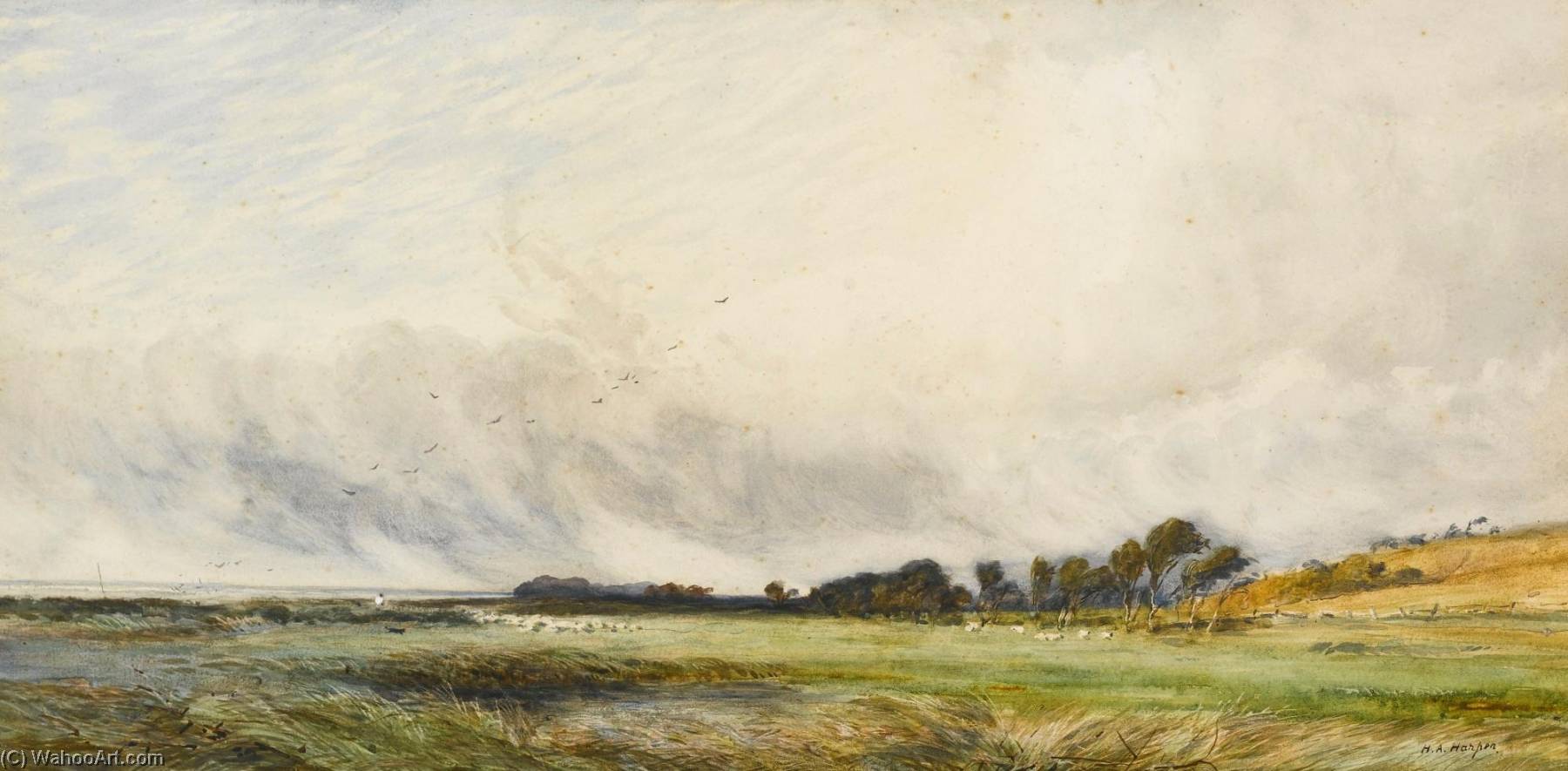
 Preview
 Send
Send Share
Share
 Details

 Download
 Similars
 X-Ray
X-Ray Diaporama
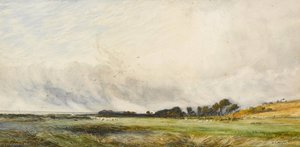
Sheep Grazing by the Coast
 Read More
Hand Made Oil Reproduction
Hand-painted oil on canvas in your size and frame, made to order by our artists. ( Buy Print Buy Image)




































Pick from our preset sizes that match the artwork's original proportions.

You may enter your own dimensions to fit a specific frame or space. If your selected size does not match the original image's proportions, we will either crop the artwork or extend the painting with additional hand-painted elements. A digital mockup will be sent for your approval before production begins.
Please note that the on-screen preview does not reflect the actual cropping or extension. Only the mockup will accurately show the final composition.
While custom sizes are available, we recommend selecting a dimension from the predefined list to preserve the original proportions.
After order, ArtsDot.com team will email client for instructions and provide a mockup preview
Worldwide Delivery () in 3/4 weeks instead of standard 5 weeks. (17 August). No compromise on quality.

Free Worldwide Express Shipping

High-Quality Linen Canvas

Full Shipping Insurance

Customs Tax Refund Guarantee

True Color Matching Guarantee

60-Day Return Policy (Defects Only)

100% Money-Back Guarantee

Bulk Discount Offer
 Glass option is only available in size under 110 CM

Sheep Grazing by the Coast
Reproduction Medium
Reproduction Size
-


Total Price
$ 263
Related Artworks

Artist Biography
Henry Andrew Harper: A Visionary of Palestine and Scotland
Henry Andrew Harper (1835-1900) emerges from the late 19th century as a quietly significant figure in British landscape painting, particularly renowned for his evocative depictions of biblical scenes and the rugged beauty of Scottish coastal vistas. While not commanding the immediate fame of some contemporary artists, Harper’s work possesses a distinctive serenity and spiritual depth that continues to resonate with viewers today. His career unfolded largely outside the bustling centers of artistic innovation, yet he cultivated a unique style characterized by meticulous detail, atmospheric perspective, and a profound sensitivity to light and color – elements that firmly establish him as an artist deeply attuned to his subjects.
Born in England, Harper’s early life remains somewhat shrouded in obscurity. Records suggest a formative period spent in Scotland, a landscape that would undoubtedly have profoundly influenced his artistic sensibilities. The dramatic cliffs, rolling hills, and ever-changing light of the Scottish coast provided an ideal backdrop for developing his observational skills and establishing a foundational understanding of composition and tonal value. It’s believed he initially trained as a draughtsman, honing his technical abilities before dedicating himself to painting. While formal academic training is undocumented, Harper's work demonstrates a mastery of technique indicative of considerable self-directed study and practice.
The Biblical Landscapes: A Spiritual Journey
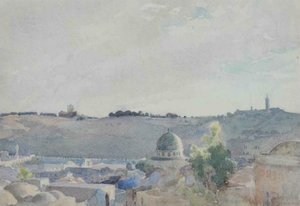
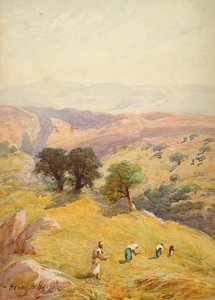
Harper’s most celebrated works are undoubtedly those depicting scenes from the Bible, primarily set in Palestine. These paintings—often characterized by their quiet contemplation and symbolic resonance—represent a significant departure from the more dramatic and overtly narrative approaches favored by some of his contemporaries. He eschewed grand gestures or heroic figures, instead focusing on capturing the essence of biblical narratives through carefully rendered landscapes and subtle expressions of human emotion. The ‘Fields Between Jerusalem and Jericho’ (as documented in ArtsDot's database) exemplifies this approach perfectly; a vast, undulating expanse of wheat fields bathed in golden light, conveying a sense of both solitude and spiritual yearning.
Harper’s artistic choices within these biblical scenes are deliberate. He frequently employed muted color palettes—earthy browns, ochres, and subtle greens—to create an atmosphere of timelessness and reverence. The lighting is consistently soft and diffused, lending a sense of ethereal beauty to the landscapes. Furthermore, Harper's meticulous attention to detail – from the texture of the soil to the folds in the garments of his figures – imbues these scenes with a remarkable realism that enhances their emotional impact. It’s clear he wasn’t simply illustrating biblical stories; he was attempting to evoke a feeling, a spiritual experience for the viewer.
Scottish Landscapes: Echoes of Raeburn and Beyond
Alongside his biblical works, Harper produced a substantial body of paintings depicting Scottish landscapes. These scenes share many similarities with the work of Henry Raeburn, another prominent Scottish painter known for his portraits and landscape views. Both artists demonstrated a keen eye for capturing the nuances of light and atmosphere, as well as a deep appreciation for the beauty of their native land. However, Harper’s approach is arguably more restrained and contemplative than Raeburn's, reflecting perhaps a greater emphasis on spiritual reflection.
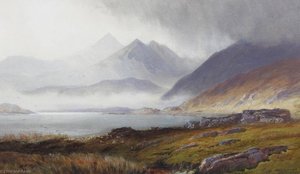
Harper’s Scottish landscapes frequently feature dramatic coastal scenes—rugged cliffs, windswept beaches, and turbulent seas. He skillfully employed atmospheric perspective to create a sense of depth and distance, conveying the vastness and power of the natural world. The influence of Romanticism is evident in his work, particularly in his depiction of wild and untamed landscapes, but Harper’s style remains distinctively his own—characterized by a quiet dignity and an understated elegance.
Legacy and Historical Significance
Despite not achieving widespread fame during his lifetime, Henry Andrew Harper's artistic legacy has been quietly recognized in recent decades. His paintings are now held in several prominent collections, including the ArtsDot database, and continue to be exhibited and studied by art historians and enthusiasts. Harper’s work represents a valuable contribution to British landscape painting—a testament to the power of observation, sensitivity, and spiritual reflection.
Furthermore, Harper's exploration of biblical themes through the lens of landscape offers a unique perspective on religious iconography. He avoids the traditional conventions of religious art, instead focusing on creating scenes that are both visually beautiful and emotionally resonant. His work serves as a reminder that faith can be expressed not only through grand gestures or dramatic narratives but also through quiet contemplation and an appreciation for the beauty of the natural world. The investigation into his life, including the tragic events surrounding his death (as documented in Wikipedia), adds another layer to understanding this artist’s profound connection with both landscape and spirituality.
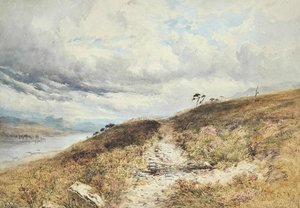
henry andrew harper
1835 - 1900
Quick Facts
- Artistic Movement Or Style: Biblical scenes, landscapes
- Artists Or Movements Influenced By This Artist: ['British Romanticism']
- Artists Who Influenced This Artist: ['Henry Raeburn']
- Date Of Birth: 1835
- Date Of Death: 1900
- Full Name: Henry Andrew Harper
- Nationality: British
- Notable Artworks:
- The Five Sisters of Kintail
- Fields between Jerusalem