

 Preview
 Send
Send Share
Share
 Details

 Download
 Similars
 X-Ray
X-Ray Diaporama
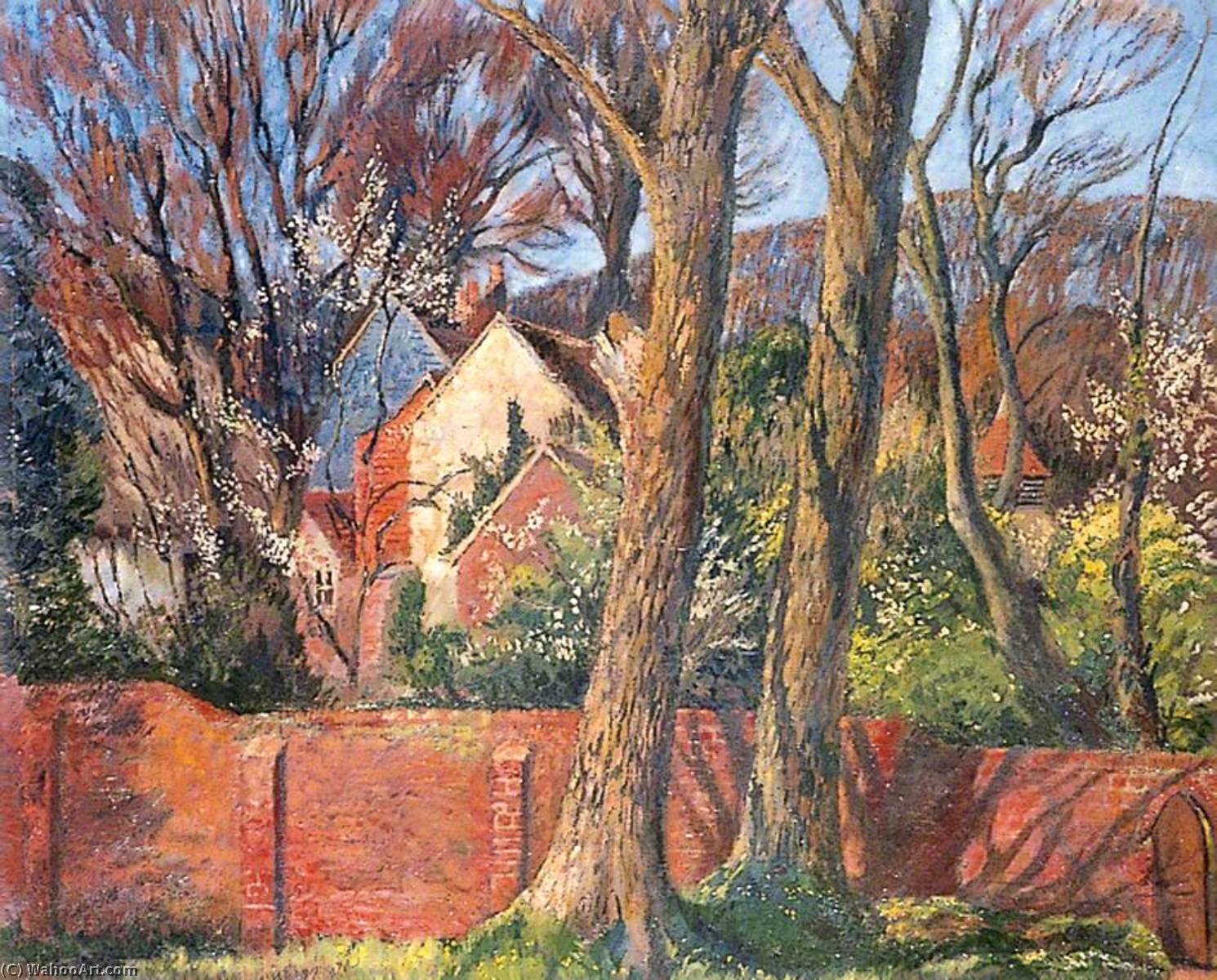
Spring, Farringford, Isle of Wight
 Painting
- Landscape Realism
 1948
1948- 19th Century
 51.0 x 61.0 cm
 Pallant House Gallery
 Read More
Purchase a high-resolution, enhanced digital image, far superior to the online preview.
Each file is meticulously prepared by our in-house specialists using advanced tools and expert manual retouching. We ensure every image has exceptional clarity, precise color accuracy, and fine detail.
The final file is delivered via email within 72 hours, optimized for immediate use in professional, editorial, and print environments. This is the same quality trusted by top-tier design studios, publishers, and galleries.
Digital Image
Download a high-resolution file for personal display, printing, and creative projects. ( Buy Print Buy Hand Made Painting)
Included in Every Digital Image Order
Expert Digital Delivery, Guaranteed
When you choose ArtsDot.com, you're not just getting an image - you're receiving a professionally enhanced digital artwork, crafted with precision and backed by a satisfaction guarantee. Here's everything that comes with your order, automatically:

Fast Email Delivery
Your high-resolution digital image file will be emailed to you within 72 hours of ordering - ready for immediate use.

AI-Enhanced Digital File
Your artwork is professionally optimized using advanced AI tools and manual editing, ensuring maximum detail, clarity, and color accuracy.

Free Lifetime Re-Delivery
Accidentally deleted or lost your file? No worries - we'll resend it to you anytime, free of charge.

No Import Fees - Ever
Enjoy your artwork instantly with zero customs, duties, or delivery fees - digital downloads are always tax-free.

Color Accuracy Guarantee
We ensure your digital image reflects the original colors as closely as possible using professional tools and color management.

60-Day Satisfaction Guarantee
If you're not satisfied with your digital image, we'll revise it or refund 100% within 60 days - no questions asked.

100% Money-Back Guarantee
Not satisfied? Get a full refund within 60 days of receiving your digital file - no questions asked.

Bulk Order Discounts
Buy 3 images, save 10% - Buy 5, save 15% - Buy 10+, save 20%. Great for creative projects, galleries, and agencies.
Collectible Description
A Symphony of Springtime Serenity
In the gentle embrace of Spring, Farringford, Isle of Wight, we are invited into a world where time seems to slow, held captive by the soft radiance of a burgeoning season. This exquisite painting captures a quintessential moment of renewal, presenting a village scene that breathes with the vitality of life returning to the English countryside. The composition is anchored by a weathered red brick wall, a tactile element that provides a sense of permanence and boundary against the ephemeral beauty of the blossoming flora. As the eye wanders through the canvas, it encounters a delicate dance of light and shadow; sunlight filters through the canopy of trees, casting soft, rhythmic patterns upon the earth and masonry, creating a visual rhythm that is both soothing and profoundly captivating.
The artist’s mastery lies in his ability to translate the fleeting atmosphere of a spring morning into a lasting visual poem. Through a delicate application of color and light, the scene achieves a luminous quality, where the pale hues of new blossoms contrast beautifully with the deep, earthy tones of the brickwork and the lush greenery. The technique evokes a sense of depth, pulling the viewer from the immediate texture of the foreground wall toward the distant, dreamlike silhouette of a house nestled among the trees. This layering of space creates an immersive experience, making the viewer feel less like a mere observer and more like a quiet participant in this peaceful afternoon on the Isle of Wight.
The Legacy of Landscape and Light
To understand the soul of this work, one must look to the artistic lineage of Henry Clarence Whaite. A painter whose life was deeply intertwined with the sublime beauty of the natural world, Whaite possessed a unique ability to capture the quiet dignity of the landscape. His training, rooted in the rigorous traditions of the Manchester School of Design and refined at the Royal Academy, allowed him to marry technical precision with an emotive, atmospheric sensibility. While his early inspirations were drawn from the dramatic peaks of Switzerland, his later works often found their most profound expressions in the intimate, pastoral settings of the British Isles, much like the tranquil Farrington scene presented here.
For the discerning collector or interior designer, this piece serves as more than just a decoration; it is an emotional anchor for a room. The painting carries a symbolic weight of hope and rebirth, making it an ideal centerpiece for spaces designed for contemplation, relaxation, or sophisticated elegance. Whether placed in a sun-drenched morning room to enhance the feeling of brightness, or in a quiet study to provide a window into a peaceful past, this reproduction brings with it the timeless charm of the Victorian landscape tradition. It is an invitation to rediscover the magic found in the simplest transitions of nature—the moment a bud breaks, and the world turns green once more.
Related Artworks
Artist Biography
A Life Immersed in Landscape: The Story of Henry Clarence Whaite
Born in Manchester in 1828, Henry Clarence Whaite’s artistic journey was deeply rooted in both the urban environment of his youth and the sublime beauty of the natural world he would come to so passionately depict. His father, a proprietor of an art gallery and picture framing business, provided young Clarence with early exposure to the visual arts, nurturing an inclination that would define his life's work. This formative period included education at Manchester Grammar School followed by studies at the Manchester School of Design, laying a solid foundation in artistic technique. Further refinement came through time spent at Leigh’s School and the Royal Academy in London, honing his skills and broadening his understanding of art history. However, it was a transformative visit to Switzerland in 1850 that truly ignited Whaite's lifelong fascination with mountainous landscapes – an inspiration he initially sought to recapture but ultimately found closer to home in the dramatic scenery of North Wales beginning in 1851.From Manchester Roots to Welsh Mastery
Though he eventually settled permanently near Conwy in 1870, Whaite maintained strong ties with his native Manchester for many years. He remained an active member of the Manchester Academy of Fine Arts from 1859, demonstrating a commitment to the artistic community of his birthplace. This dual existence – artist of Wales yet connected to Manchester’s art scene – speaks to a broader Victorian sensibility that embraced both industrial progress and romantic appreciation for nature. The move to North Wales marked a pivotal shift in Whaite's career. Immersing himself in the Welsh landscape, he found not merely subject matter but a profound source of spiritual and artistic inspiration. He wasn’t simply recording what he saw; he was striving to capture the very essence of the land, its changing moods, and the sense of awe it evoked. This dedication to capturing atmospheric effects and subtle nuances of light became a hallmark of his watercolor paintings, for which he gained considerable renown.Artistic Development & Influences
Whaite’s artistic development was shaped by several key influences. His early mentor, James Astbury Hammersley at the Manchester School of Design, undoubtedly instilled in him a strong technical foundation. Later, a critique from the influential art critic John Ruskin proved particularly formative. Ruskin encouraged Whaite to move away from excessive detail towards a bolder, more expressive style – advice that resonated with the artist and led to a significant refinement of his technique. Interestingly, Whaite’s oil paintings reveal an early exploration of color theory, employing small spots of pure color in a manner that foreshadowed the pointillist movement. Beyond technical considerations, Whaite's work was deeply informed by his religious beliefs. His landscapes often carry a moral or spiritual weight, and he didn’t shy away from explicitly Christian themes, as evidenced in works like “The Awakening of Christian” and “Arthur in the Gruesome Glen.” He admired the Pre-Raphaelites for their commitment to naturalism and detail, but ultimately forged his own path, blending meticulous observation with a uniquely personal vision. His admiration for J.M.W. Turner is also apparent, particularly in his attempts to capture the ephemeral qualities of light and atmosphere.Recognition & Legacy
Throughout his career, Whaite enjoyed considerable recognition within the British art world. He regularly exhibited at the Royal Academy from 1851 onwards, establishing a consistent presence on the London art scene. However, perhaps his most significant achievement was spearheading the founding of the Royal Cambrian Academy of Art in 1881 – a landmark event in Welsh art history that fostered artistic development and provided a platform for Welsh artists to showcase their work. He further demonstrated his leadership by serving as President of both the Cambrian Academy and the Manchester Academy, solidifying his position as a prominent figure within the British art community. A bronze portrait sculpted by John Cassidy in 1898 stands as a lasting testament to his standing and influence. Henry Clarence Whaite died in 1912, leaving behind a legacy as a pioneer of Welsh landscape painting. He not only captured the beauty of Wales but also played a crucial role in establishing landscape as a prominent genre within Welsh art, while simultaneously contributing significantly to artistic education and practice in the region. His work continues to resonate today, offering a glimpse into Victorian sensibilities – a time when nature, spirituality, and moral values were deeply intertwined.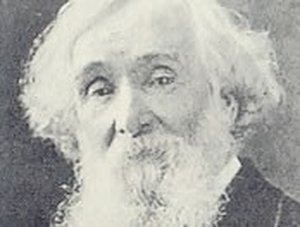
Henry Clarence Whaite
1828 - 1912 , United Kingdom
Quick Facts
- Artistic Movement Or Style: Watercolor, Victorian
- Artists Or Movements Influenced By This Artist: ['Pointillism precursor']
- Artists Who Influenced This Artist:
- J.M.W. Turner
- James Astbury Hammersley
- Pre-Raphaelites
- Date Of Birth: 1828
- Date Of Death: 1912
- Full Name: Henry Clarence Whaite
- Nationality: English
- Notable Artworks:
- Mountains in Wales
- The Rainbow
- Gipsy Camp, Sunrise
- Place Of Birth: Manchester, UK

