 Preview
 Send
Send Share
Share
 Details

 Download
 Similars
 X-Ray
X-Ray Diaporama
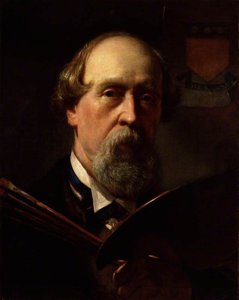
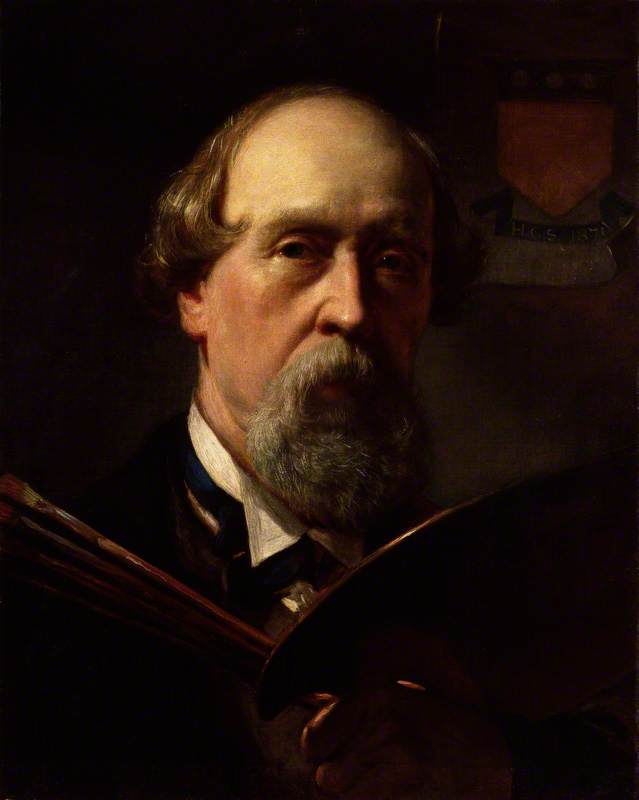
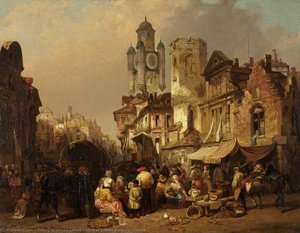
Henry Courtney Selous
 19th Century Portraiture
 1871
1871 53.0 x 43.0 cm
 Read More
Hand Made Oil Reproduction
Hand-painted oil on canvas in your size and frame, made to order by our artists. ( Buy Print Buy Image)




































Pick from our preset sizes that match the artwork's original proportions.

You may enter your own dimensions to fit a specific frame or space. If your selected size does not match the original image's proportions, we will either crop the artwork or extend the painting with additional hand-painted elements. A digital mockup will be sent for your approval before production begins.
Please note that the on-screen preview does not reflect the actual cropping or extension. Only the mockup will accurately show the final composition.
While custom sizes are available, we recommend selecting a dimension from the predefined list to preserve the original proportions.
After order, ArtsDot.com team will email client for instructions and provide a mockup preview
Worldwide Delivery () in 3/4 weeks instead of standard 5 weeks. (1 September). No compromise on quality.

Free Worldwide Express Shipping

High-Quality Linen Canvas

Full Shipping Insurance

Customs Tax Refund Guarantee

True Color Matching Guarantee

60-Day Return Policy (Defects Only)

100% Money-Back Guarantee

Bulk Discount Offer
 Glass option is only available in size under 110 CM

Henry Courtney Selous
Reproduction Medium
Reproduction Size
-


Total Price
$ 263
Related Artworks
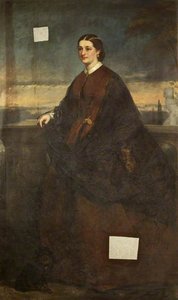
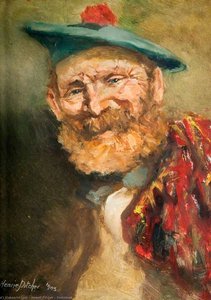
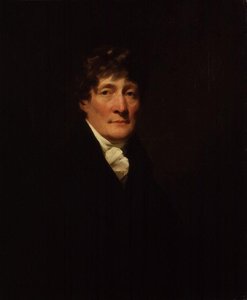
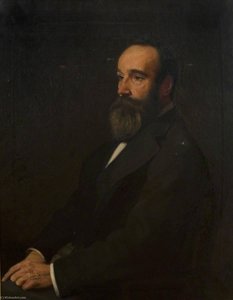
Artist Biography
The Visionary Chronicler of an Era
In the vibrant, shifting landscape of nineteenth-century Britain, few artists possessed the ability to capture the grand scale of human ambition and historical drama quite like Henry Courtney Selous. Born in London in 1803, Selous was a child of the arts, the son of the Flemish miniature painter Gideon Slous. His early years were steeped in the meticulous discipline of portraiture, yet his spirit yearned for something far more expansive than the intimate confines of a small canvas. This precocious talent led him to the Royal Academy Schools at the tender age of fourteen, where he honed a rigorous classical foundation, studying the human form with an intensity that would later define his ability to render dynamic, heroic figures in motion.
Selous’s artistic journey was one of constant evolution and remarkable versatility. While he began his career exhibiting animal portraits and human likenesses under his original family name, Slous, he eventually transitioned into the more sweeping realms of illustration and lithography. His early work as an illustrator for literary classics—ranging from the tempestuous worlds of Shakespeare to the spiritual journeys in The Pilgrim's Progress—demonstrated a profound capacity for narrative depth. He did not merely illustrate text; he breathed life into the written word, creating visual echoes of the epic themes that captivated the Victorian imagination.
Mastery of the Epic and the Historical
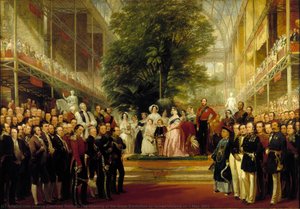
As his career matured, Selous moved away from the intimate and toward the monumental. He became a master of the panorama, working on vast canvases that offered audiences a sense of immersive spectacle. This period of his life was marked by an extraordinary ability to synthesize historical accuracy with dramatic flair. His work often served as a visual bridge between the past and the present, capturing the zeitgeist of a nation undergoing profound transformation. One cannot discuss his legacy without mentioning his most celebrated achievement: The Opening of the Great Exhibition (1851). This imposing oil painting, now held in the Victoria & Albert Museum, stands as a definitive visual record of a landmark moment in human history, capturing the grandeur and technological optimism of the age.
Beyond the spectacle of the exhibition, Selous found profound inspiration in the heroic and the legendary. His brush was equally adept at depicting the ferocity of battle and the solemnity of religious devotion. Whether he was rendering the intense energy of a military charge or the quiet majesty of the Holy Land following his travels, his work remained anchored by a deep respect for the human figure. This skill allowed him to participate in the great tradition of history painting, providing a visual counterpoint to the more domestic and introspective art movements of his time.
A Legacy Written in Light and Line
The significance of Henry Courtney Selous lies not only in his individual masterpieces but in his role as a chronicler of the Victorian soul. To look upon his work is to witness the era's fascination with progress, empire, and the enduring power of myth. His ability to navigate between the delicate precision of lithography and the sweeping drama of large-scale oil painting allowed him to reach a wide audience, from the elite collectors of the Royal Academy to the burgeoning middle class who found solace in his beautifully illustrated books.
Though much of his work was obscured by the shifting tides of art history, the enduring impact of his "illustrative genius" remains undeniable. He left behind a body of work that serves as a window into a world of grand ambitions and epic narratives. His life, which concluded in Devon in 1890, was a testament to the power of artistic versatility—a journey from the small, focused details of a miniature painter's studio to the vast, breathtaking horizons of historical legend.
Quick Facts
- Artistic Movement Or Style: Historical painting, Illustration
- Artists Who Influenced This Artist:
- Gideon Slous
- John Martin
- Date Of Birth: April 25, 1803
- Date Of Death: September 24, 1890
- Full Name: Henry Courtney Selous
- Nationality: English
- Notable Artworks:
- The Opening of the Great Exhibition
- King Alfred Submitting his Code of Law
- Place Of Birth: London, England
Related Articles
Henri Matisse's Masterpieces: Explore 25 Iconic Paintings & Art Decor Ideas
Journey through Henri Matisse's 25 most iconic paintings! Explore Fauvism, vibrant colors & the stories behind masterpieces like 'The Dance'. Find museum-quality art reproductions and curated decor ideas to elevate your space. Discover all masterpieces on ArtsDot.com.

The Enduring Legacy of Oil on Canvas: Technique, History & Aesthetic Impact
Explore the rich history & techniques of oil painting – from Renaissance masters to Impressionism. Discover pigments, layering methods, and why this timeless medium endures. Expert insights for artists & art enthusiasts.

Neo-Classicism's Greatest Hits: 10 Masterpieces for Your Home |
Journey through Neo-Classicism's finest! Explore 10 iconic masterpieces by David, Ingres & Canova. Discover art history, techniques & timeless beauty – perfect for inspiring your home decor. Find museum-quality reproductions at
19th Century Masterpieces: 10 Paintings That Defined an Era | ArtsDot
Journey through 19th century art with ArtsDot! Explore 10 iconic paintings – from Monet & Renoir to Courbet – and discover the stories behind Romanticism, Realism & Impressionism. Find museum-quality reproductions for your home decor. Explore the full collection online!

Oil on Canvas: A Historical & Technical Exploration of a Timeless Artistic Medium
Explore the rich history & enduring techniques of oil painting on canvas. Discover the science behind its longevity, conservation practices, and contemporary relevance. Expert insights for art enthusiasts.