 Preview
 Send
Send Share
Share
 Details

 Download
 Similars
 X-Ray
X-Ray Diaporama
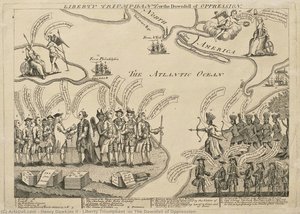
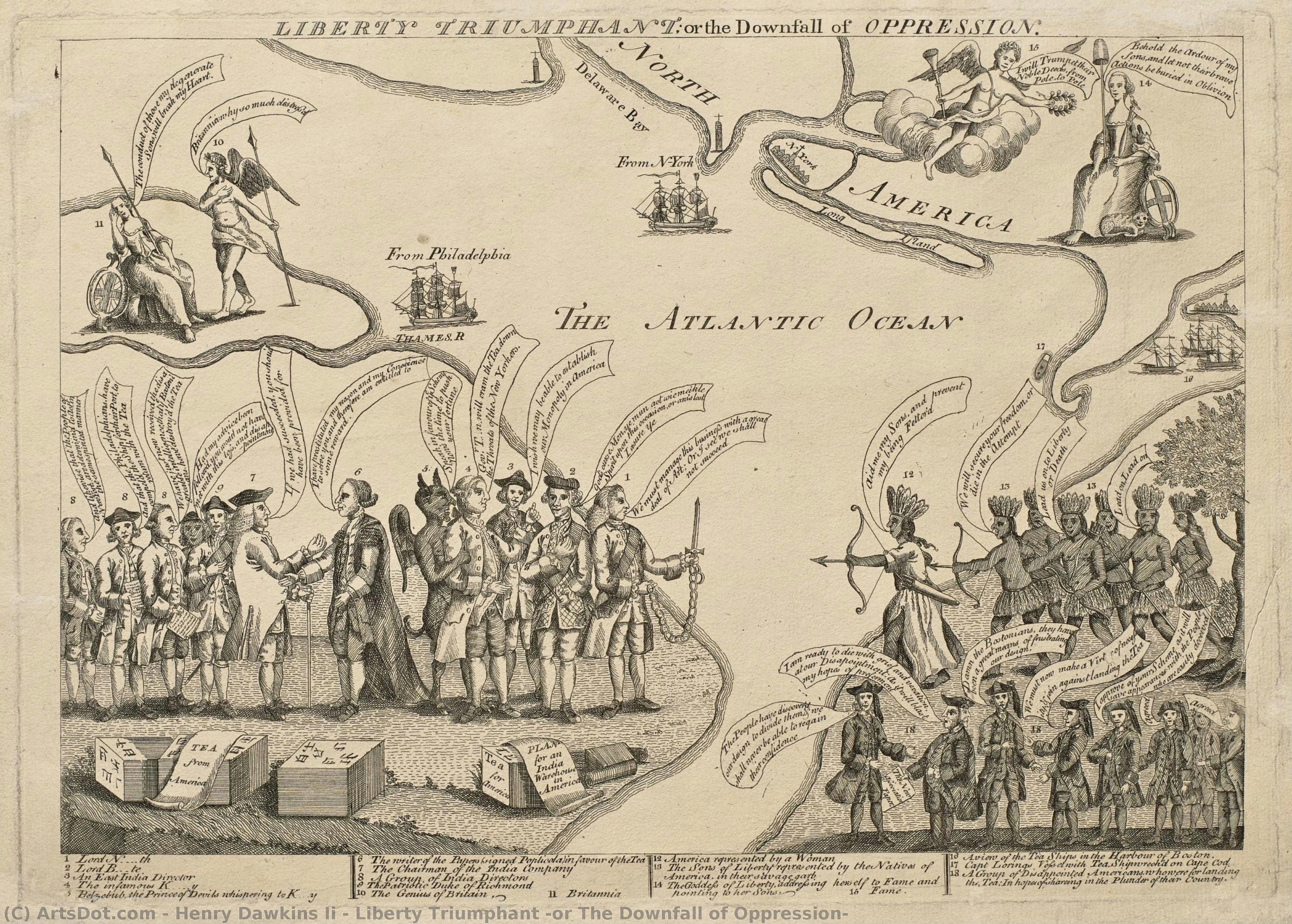
Liberty Triumphant (or The Downfall of Oppression)
 38.0 x 27.0 cm
 Read More
Giclée / Art Print
Museum-quality giclée or canvas print with fast production and flexible finish options. ( Buy Hand Made Painting Buy Image)




































Pick from our preset sizes that match the artwork's original proportions.

You may enter your own dimensions to fit a specific frame or space. If your selected size does not match the original image's proportions, we will either crop the artwork or extend the image with a mirrored or solid-fill edge. A digital mockup will be sent for your approval before production begins.
Please note that the on-screen preview does not reflect the actual cropping or extension. Only the mockup will accurately show the final composition.
While custom sizes are available, we recommend selecting a dimension from the predefined list to preserve the original proportions.
Worldwide Delivery () in 2 weeks instead of standard 4/5 weeks. (25 August)

Free Worldwide Express Shipping

High-Quality Linen Canvas

Full Shipping Insurance

Customs Tax Refund Guarantee

True Color Matching Guarantee

60-Day Return Policy (Defects Only)

100% Money-Back Guarantee

Bulk Discount Offer
 Glass option is only available in size under 110 CM

Liberty Triumphant (or The Downfall of Oppression)
Giclée / Art Print
Reproduction Size
-


Total Price
$ 63
Related Artworks









Artist Biography
A Life Between Two Worlds: The Dual Legacy of Henry Dawkins II
The life of Henry Dawkins II was a complex tapestry woven from the disparate threads of colonial prosperity and Enlightenment intellect. Born in 1728 amidst the lush, sugar-laden landscapes of Clarendon, Jamaica, his early years were defined by the immense wealth of the Dawkins dynasty. As the son of Henry Dawkins I, a man whose influence was rooted deeply in the soil of the West Indies, the young Dawkins was destined for a life of privilege. Yet, his journey took him far beyond the boundaries of the plantations, leading him to the hallowed, scholarly corridors of John Royse’s Free School in Abingdon and eventually to the prestigious St Mary Hall at Oxford. This transition from the tropical heat of Jamaica to the academic rigor of England instilled in him a liberal humanist perspective, a foundation that would later inform his unique approach to the burgeoning Romantic movement.
Politics, Power, and the Pulse of an Era
Beyond the quietude of artistic contemplation, Dawkins moved through the highest echelons of British political life. His tenure as a Member of Parliament for constituencies such as Southampton, Chippenham, and Hindon between 1768 and 1784 placed him at the very heart of an empire in flux. This period was one of profound transformation, where the ideals of liberty were being debated with increasing fervor. For Dawkins, politics was not merely a civic obligation but an arena that provided a window into the social and political tensions of his age. The weight of parliamentary responsibility and the intricate dance of diplomacy likely infused his creative sensibilities with a sense of gravity and historical awareness. It is within this intersection of political duty and artistic passion that we find the true essence of his character—a man navigating the contradictions of an era defined by both unprecedented growth and deep-seated social upheaval.
The Romantic Vision: Art as Expression
While the historical record regarding his specific techniques remains somewhat fragmented, the spirit of Dawkins’s work is undeniably captured in the essence of the Romantic era. His art emerged from a world where the emotional and the sublime were beginning to eclipse the purely rational. One can imagine the profound impact of works such as Liberty Triumphant (or The Downfall of Oppression), which likely sought to capture the dramatic shifts in the human condition during his lifetime. His artistic output serves as a poignant reflection of a man caught between the rigid structures of his class and the fluid, emotive possibilities of the Romantic movement. Through his eyes, we glimpse a period where:
- The Enlightenment ideals of reason met the raw emotion of nature.
- The complexities of colonial identity were reflected in the pursuit of classical beauty.
- The tension between political authority and the concept of freedom became a central theme of creative inquiry.
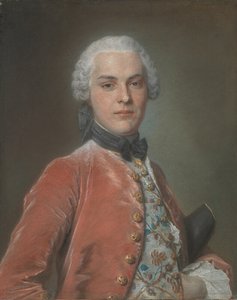
henry dawkins ii
1728 - 1814 , Jamaica
Quick Facts
- Artistic Movement Or Style: Romanticism
- Artists Or Movements Influenced By This Artist: ['William Salter']
- Artists Who Influenced This Artist: ['Maurice Quentin de La Tour']
- Date Of Birth: 1728 Clarendon Jamaica
- Date Of Death: 1814 London
- Full Name: Henry Dawkins II
- Nationality: Jamaican
- Notable Artworks:
- Liberty Triumphant
- Dawkins family Jamaica
- Place Of Birth: Clarendon Jamaica