 Preview
 Send
Send Share
Share
 Details

 Download
 Similars
 X-Ray
X-Ray Diaporama
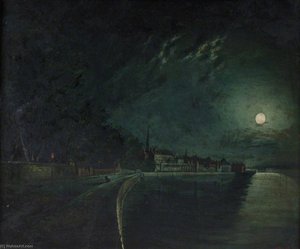
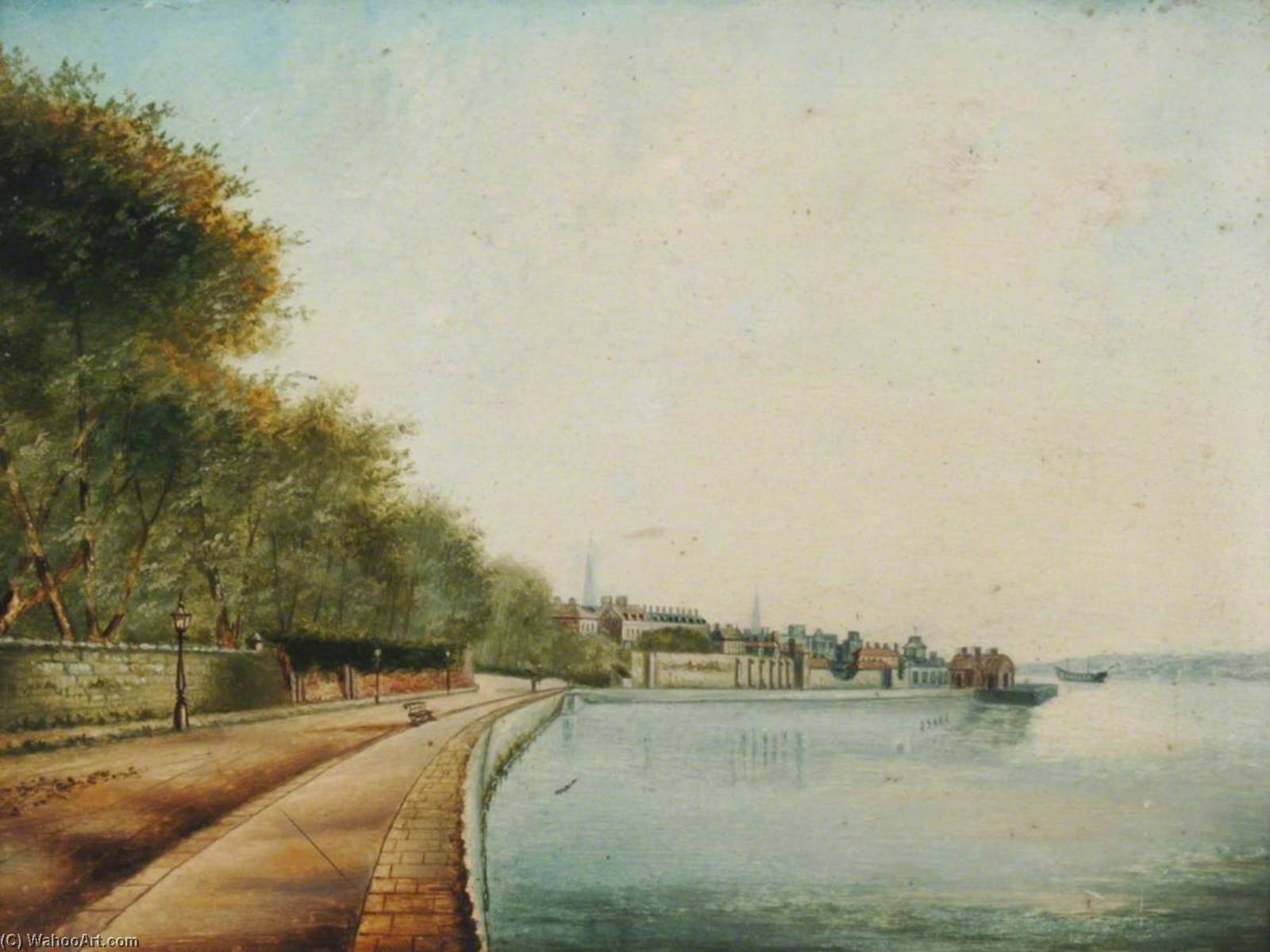
Western Shore
 1891
1891 39.0 x 59.0 cm
 Read More
Hand Made Oil Reproduction
Hand-painted oil on canvas in your size and frame, made to order by our artists. ( Buy Print Buy Image)




































Pick from our preset sizes that match the artwork's original proportions.

You may enter your own dimensions to fit a specific frame or space. If your selected size does not match the original image's proportions, we will either crop the artwork or extend the painting with additional hand-painted elements. A digital mockup will be sent for your approval before production begins.
Please note that the on-screen preview does not reflect the actual cropping or extension. Only the mockup will accurately show the final composition.
While custom sizes are available, we recommend selecting a dimension from the predefined list to preserve the original proportions.
After order, ArtsDot.com team will email client for instructions and provide a mockup preview
Worldwide Delivery () in 3/4 weeks instead of standard 5 weeks. (16 August). No compromise on quality.

Free Worldwide Express Shipping

High-Quality Linen Canvas

Full Shipping Insurance

Customs Tax Refund Guarantee

True Color Matching Guarantee

60-Day Return Policy (Defects Only)

100% Money-Back Guarantee

Bulk Discount Offer
 Glass option is only available in size under 110 CM

Western Shore
Reproduction Medium
Reproduction Size
-


Total Price
$ 263
Related Artworks


Artist Biography
A Chronicler of Southampton & Wirral: The Life and Art of Henry Edward Locke
Henry Edward Locke, born in Wrington, Somerset in 1862, emerged as a significant chronicler of the changing landscapes and civic life of Southern England during the late Victorian and early Edwardian eras. While not a household name today, Locke’s detailed paintings offer a fascinating glimpse into the architecture, coastal scenes, and historical landmarks of Southampton and the Wirral peninsula—a visual record imbued with both artistic skill and a palpable sense of place. His work stands as a testament to a period of rapid industrialization and social change, capturing moments before they were irrevocably altered by the tides of modernity. Locke’s life remains somewhat shrouded in mystery; biographical details are scarce, yet his paintings speak volumes about his keen observational eye and dedication to preserving the character of the regions he depicted. He wasn't merely recording scenes but interpreting them through a lens that blended realism with an emerging Impressionistic sensibility.Early Influences & Artistic Development
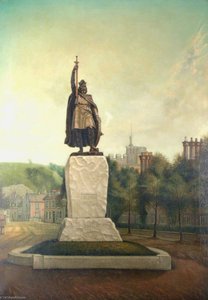
Locke’s artistic journey began during a period when landscape painting flourished in Britain, fueled by Romantic ideals and a growing appreciation for national identity. While specific mentors are undocumented, it's reasonable to assume he was influenced by the broader movement of British landscape artists who sought to capture the beauty and grandeur of their surroundings. The influence of John Locke’s philosophical emphasis on observation is also notable, given the artist’s meticulous attention to detail in his architectural renderings. His early work likely focused on establishing a solid foundation in traditional techniques—precise draftsmanship and accurate representation—before evolving towards a more expressive style. This development is evident in paintings like “Statue of King Alfred (849–899) in the Broadway),” completed in 1904, where he masterfully blends realistic depiction with an Impressionistic handling of light and atmosphere. The statue itself becomes a symbol of civic pride and historical continuity, rendered not as a static monument but as a vibrant presence within the bustling urban environment.Southampton & Wirral: A Focus on Place
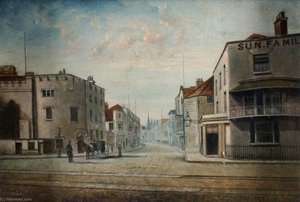
Locke’s artistic focus centered primarily around Southampton and the Wirral peninsula. He meticulously documented the architectural features of Southampton—Bargate, High Street, and various quayside scenes—capturing the city's evolving character during a period of significant growth. His paintings are not simply topographical records; they reveal a deep understanding of urban life, portraying the interplay between buildings, streets, and the people who inhabited them. Similarly, his depictions of the Wirral coastline showcase a sensitivity to the natural environment, capturing the subtle nuances of light, water, and coastal vegetation. These scenes often evoke a sense of tranquility and timelessness, offering a counterpoint to the bustling energy of urban life. He became known as an expert in art and lithography during the 1920s and 30s, further solidifying his position within the artistic community.Technique & Style: Realism Infused with Impressionistic Flair
Locke’s technique is characterized by a meticulous attention to detail combined with an emerging Impressionistic sensibility. He employed a realistic approach to rendering architectural forms and natural landscapes, ensuring accuracy in proportion and perspective. However, his paintings are not merely photographic reproductions; he infused them with a sense of atmosphere and emotional depth through the skillful use of light, color, and brushwork. His handling of light is particularly noteworthy—he captured the subtle variations of sunlight on buildings and water, creating a sense of vibrancy and realism. This blend of realism and Impressionistic flair distinguishes his work from purely topographical paintings, elevating it to a higher level of artistic expression.Legacy & Historical Significance
Although Henry Edward Locke did not achieve widespread fame during his lifetime, his paintings offer a valuable historical record of Southampton and the Wirral peninsula during a period of significant change. His detailed depictions of architecture, coastal scenes, and historical landmarks provide insights into the urban life and natural environment of these regions—a visual archive that complements written accounts and photographs. He died in 1925, leaving behind a body of work that continues to captivate viewers with its artistic skill and evocative sense of place. His paintings serve as a reminder of the importance of preserving local history and celebrating the beauty of our surroundings. His legacy lies not in grand pronouncements or revolutionary techniques but in his quiet dedication to documenting the world around him, creating a lasting testament to the character of Southampton & Wirral. He was my uncle by marriage to my Aunt Dot, as one Facebook post reveals, adding a personal touch to the artist’s story and highlighting his connection to the communities he so faithfully portrayed.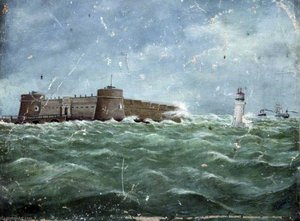
henry edward locke
1862 - 1925
Quick Facts
- Artistic Movement Or Style: Landscape Painting
- Artists Or Movements Influenced By This Artist: ['Romanticism']
- Artists Who Influenced This Artist: ['John Locke']
- Date Of Death: 1925
- Full Name: Henry Edward Locke
- Nationality: British
- Notable Artworks:
- Southampton Landscape
- Wirral Coastline
- Place Of Birth: Wrington, Somerset