

 Preview
 Send
Send Share
Share
 Details

 Download
 Similars
 X-Ray
X-Ray Diaporama
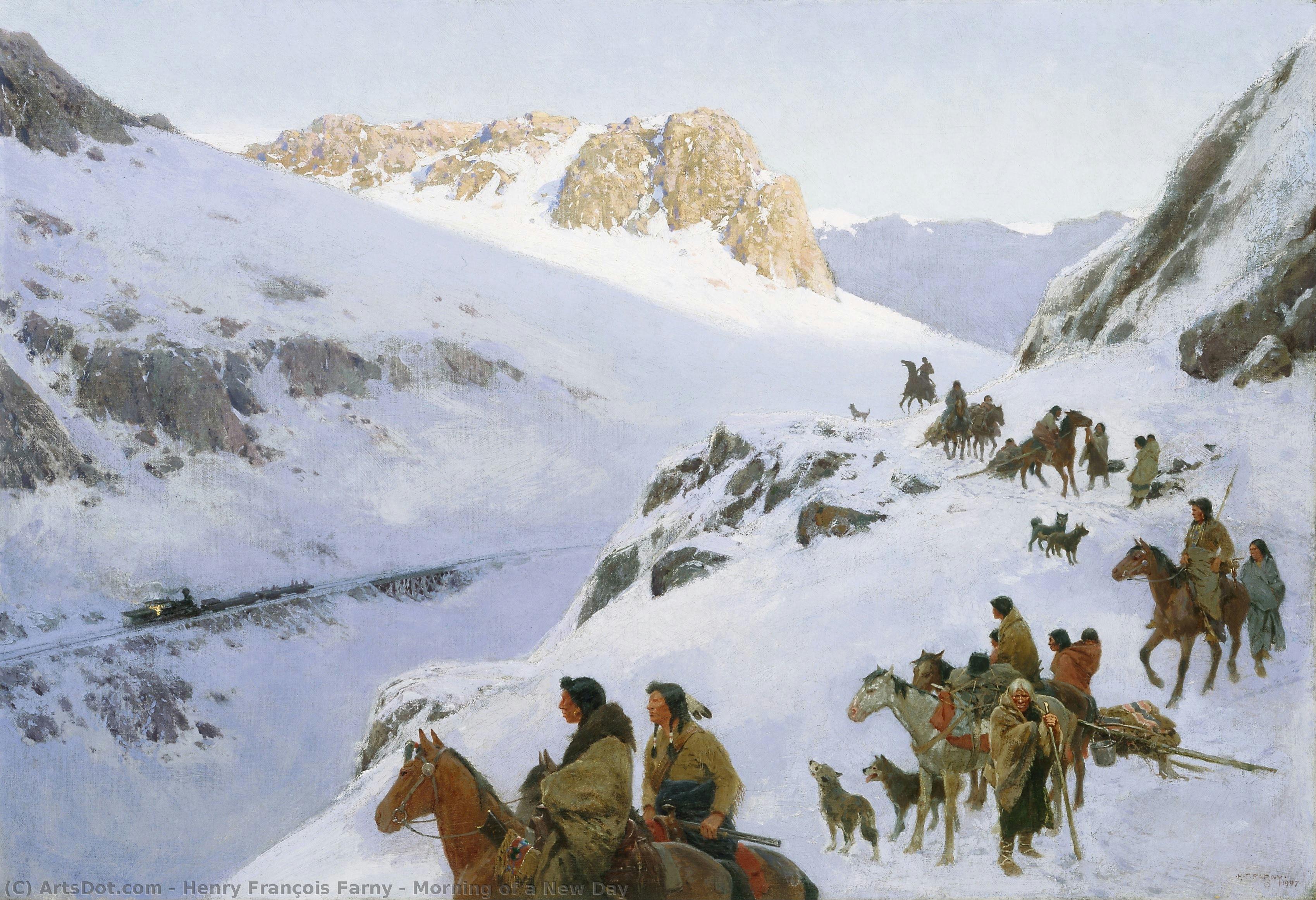
Morning of a New Day

 Read More
Purchase a high-resolution, enhanced digital image, far superior to the online preview.
Each file is meticulously prepared by our in-house specialists using advanced tools and expert manual retouching. We ensure every image has exceptional clarity, precise color accuracy, and fine detail.
The final file is delivered via email within 72 hours, optimized for immediate use in professional, editorial, and print environments. This is the same quality trusted by top-tier design studios, publishers, and galleries.
Digital Image
Download a high-resolution file for personal display, printing, and creative projects. ( Buy Print Buy Hand Made Painting)
Included in Every Digital Image Order
Expert Digital Delivery, Guaranteed
When you choose ArtsDot.com, you're not just getting an image - you're receiving a professionally enhanced digital artwork, crafted with precision and backed by a satisfaction guarantee. Here's everything that comes with your order, automatically:

Fast Email Delivery
Your high-resolution digital image file will be emailed to you within 72 hours of ordering - ready for immediate use.

AI-Enhanced Digital File
Your artwork is professionally optimized using advanced AI tools and manual editing, ensuring maximum detail, clarity, and color accuracy.

Free Lifetime Re-Delivery
Accidentally deleted or lost your file? No worries - we'll resend it to you anytime, free of charge.

No Import Fees - Ever
Enjoy your artwork instantly with zero customs, duties, or delivery fees - digital downloads are always tax-free.

Color Accuracy Guarantee
We ensure your digital image reflects the original colors as closely as possible using professional tools and color management.

60-Day Satisfaction Guarantee
If you're not satisfied with your digital image, we'll revise it or refund 100% within 60 days - no questions asked.

100% Money-Back Guarantee
Not satisfied? Get a full refund within 60 days of receiving your digital file - no questions asked.

Bulk Order Discounts
Buy 3 images, save 10% - Buy 5, save 15% - Buy 10+, save 20%. Great for creative projects, galleries, and agencies.
Related Artworks






Artist Biography
Henry François Farny: A Painter of the Vanishing West
Born in France in 1847, Henry François Farny’s artistic journey took an unexpected turn, leading him to become one of the most significant chroniclers of Native American life and the burgeoning American West during the late 19th century. His early years were steeped in a unique blend of European heritage and immersion within Seneca Indian culture, a formative experience that profoundly shaped his artistic vision. Farny’s family emigrated to Warren, Pennsylvania, in 1853, settling near a Seneca reservation – a strategic location that afforded him access to the lore, traditions, and daily lives of these indigenous people. As a boy, he spent countless hours sketching animals, birds, and Native Americans on the walls of his father’s boarding house, utilizing simple tools like nails and burnt sticks to create evocative images, a practice that foreshadowed his later meticulous approach to painting.
The move to Cincinnati, Ohio, around 1859 marked a crucial shift in Farny's trajectory. Drawn to the burgeoning world of illustration, he quickly found work with magazines and children’s books, honing his skills in drawing and composition. A particularly notable early commission was a double-page view of Cincinnati for Harper’s Weekly in 1867, showcasing his emerging talent for capturing urban landscapes and scenes of everyday life. However, Farny's ambition extended beyond commercial illustration; he sought formal training to elevate his craft. In 1867, he embarked on a transformative period of study with Albert Bierstadt, one of the leading landscape painters of the era, in Düsseldorf, Germany – a pivotal experience that exposed him to the tenets of the Düsseldorf School of Painting.
The Düsseldorf Influence and a Return to Realism
The Düsseldorf School, known for its emphasis on meticulous detail, tonal modeling, and historical subjects, profoundly influenced Farny’s artistic development. He spent several years diligently studying under Bierstadt, absorbing techniques of light, shadow, and composition. Yet, upon his return to Cincinnati in 1870, Farny found the city's art scene somewhat resistant to the School’s grand narratives. While realism was valued, the dramatic landscapes and historical scenes favored by Düsseldorf were not as readily embraced. This presented a challenge – how could he reconcile his formal training with the specific demands of the American market? Farny initially struggled to gain recognition for his paintings, utilizing his newly acquired skills in poster painting and other less prestigious commissions.
A Shift Towards Native American Subjects
The turning point arrived in 1873 when Farny was commissioned by the Chamber of Commerce to create a series of drawings documenting the stages of pork packing in Cincinnati. This project, though commercially driven, provided him with valuable experience and exposure. However, it was his subsequent fascination with Native American art that truly ignited his career. Inspired by the growing interest in depicting “the vanishing race,” Farny began undertaking extensive expeditions up the Missouri River, meticulously documenting indigenous cultures through sketches, notes, and photography – a practice remarkably ahead of its time. These journeys, spanning several years, resulted in a significant body of work focused on capturing the dignity, traditions, and daily lives of various Native American tribes.
Style and Historical Significance
Farny’s style is often described as “romantic realism,” characterized by a meticulous attention to detail combined with an emotional sensitivity towards his subjects. He avoided romanticized depictions, instead striving for a nuanced portrayal of Native Americans that reflected their humanity and cultural richness. His paintings, such as "A Successful Hunt," offer intimate glimpses into tribal life – hunting rituals, ceremonies, and interactions with the natural world. Farny’s work is significant not only for its artistic merit but also for its historical documentation of a rapidly changing America. He played a crucial role in shaping public perception of Native Americans during a period of profound cultural displacement, though it's important to acknowledge that his depictions, like many contemporary representations, were inevitably filtered through the lens of Western observation and potentially influenced by prevailing stereotypes. Despite this complexity, Henry François Farny remains a vital figure in American art history, a painter who captured the spirit of the West and left behind a legacy of evocative and historically significant works.
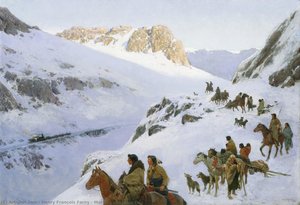
henry françois farny
1847 - 1916
Quick Facts
- Artistic Movement Or Style: Vanishing race style, Realism
- Date Of Birth: 1847
- Date Of Death: 1916
- Full Name: Henry François Farny
- Nationality: French-American
- Notable Artworks: ['A Successful Hunt']
- Place Of Birth: France

