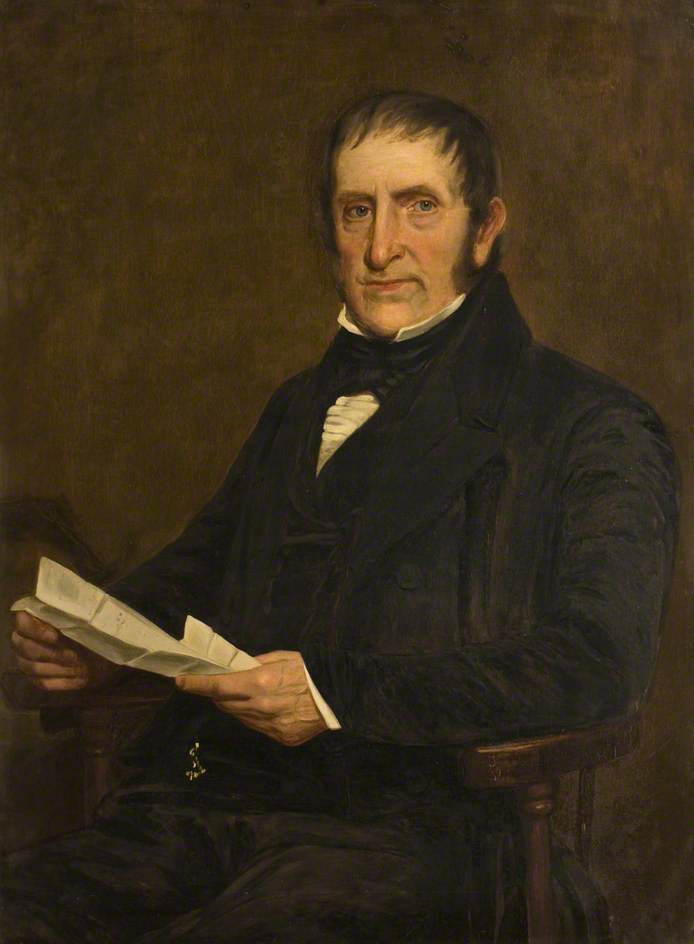
 Preview
 Send
Send Share
Share
 Details

 Download
 Similars
 X-Ray
X-Ray Diaporama
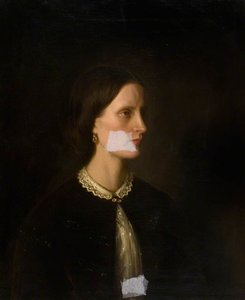
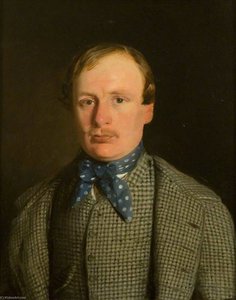
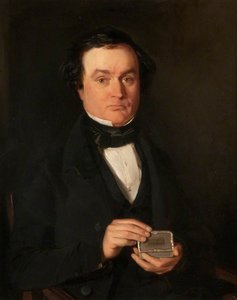
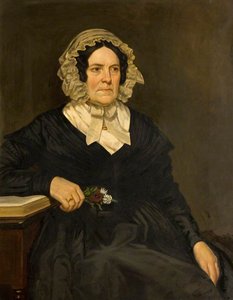
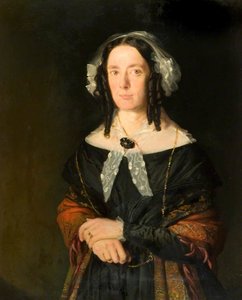
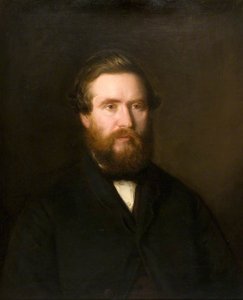
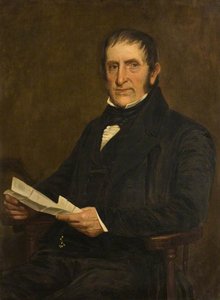
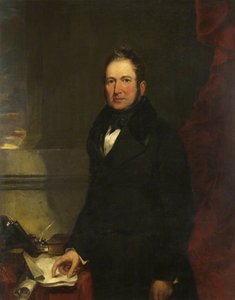
Andrew Spence (b.1774)
 92.0 x 71.0 cm
 Read More
Hand Made Oil Reproduction
Hand-painted oil on canvas in your size and frame, made to order by our artists. ( Buy Print Buy Image)




































Pick from our preset sizes that match the artwork's original proportions.

You may enter your own dimensions to fit a specific frame or space. If your selected size does not match the original image's proportions, we will either crop the artwork or extend the painting with additional hand-painted elements. A digital mockup will be sent for your approval before production begins.
Please note that the on-screen preview does not reflect the actual cropping or extension. Only the mockup will accurately show the final composition.
While custom sizes are available, we recommend selecting a dimension from the predefined list to preserve the original proportions.
After order, ArtsDot.com team will email client for instructions and provide a mockup preview
Worldwide Delivery () in 3/4 weeks instead of standard 5 weeks. (17 August). No compromise on quality.

Free Worldwide Express Shipping

High-Quality Linen Canvas

Full Shipping Insurance

Customs Tax Refund Guarantee

True Color Matching Guarantee

60-Day Return Policy (Defects Only)

100% Money-Back Guarantee

Bulk Discount Offer
 Glass option is only available in size under 110 CM

Andrew Spence (b.1774)
Reproduction Medium
Reproduction Size
-


Total Price
$ 263
Related Artworks
Artist Biography
A Life Between Duty and Brushstrokes: The Dual Path of Henry Harwood
Sir Henry Harwood Flintoff, known to the art world simply as Henry Harwood, occupies a fascinating, somewhat unusual place in British artistic history. Born in 1888, his life was not solely dedicated to the canvas; it was interwoven with a distinguished career in the Royal Navy, a commitment that profoundly shaped both his perspective and subject matter. This duality – the disciplined world of naval service alongside the expressive freedom of portraiture – is central to understanding Harwood’s unique artistic voice. He wasn't merely an officer who painted as a hobby; he was a dedicated artist whose experiences at sea and within British society informed a body of work that captures a specific moment in time, imbued with both realism and quiet dignity. While his name might not be instantly recognizable alongside the giants of 20th-century art, Harwood’s paintings offer a compelling glimpse into the lives of ordinary people and the echoes of a nation grappling with change.From Naval Academy to Artistic Pursuits
Harwood's path began within the rigorous structure of naval training. Entering the Royal Navy in 1903, he quickly demonstrated aptitude for leadership and service, rising through the ranks with notable efficiency. However, even amidst the demands of a seafaring life, Harwood cultivated his artistic talents. He received formal training at the Slade School of Fine Art, London, balancing his naval duties with dedicated study. This period was crucial in establishing his technical foundation – a mastery of oil paint and an understanding of composition that would become hallmarks of his style. The discipline instilled by the Navy undoubtedly influenced his approach to painting; his works are characterized by precision, careful observation, and a lack of ostentation. He wasn’t interested in flamboyant displays of technique but rather in capturing the essence of his subjects with understated skill. This early period also saw him develop an affinity for portraiture, specifically focusing on depicting individuals from working-class backgrounds – Scottish tradesmen, fishermen, and laborers.The River Plate and Beyond: A Naval Hero’s Artistic Legacy
Harwood's naval career reached its zenith during the Battle of the River Plate in 1939, a pivotal engagement in the early stages of World War II. As captain of HMS Ajax, he led his ship to victory against the formidable German pocket battleship Graf Spee. This triumph catapulted him to national hero status, and while celebrated for his bravery and strategic acumen, Harwood continued to pursue his artistic endeavors. The experience of command, the weight of responsibility, and the observation of human character under extreme pressure likely deepened his understanding of the individuals he later portrayed. Following the battle, and throughout his remaining naval service, he found time to paint, often returning to Scotland – a country that held a particular fascination for him. He established himself as a prominent artist in Dundee, capturing the spirit of its working population with sensitivity and respect.Style and Subject Matter: Portraits of Scottish Life
Harwood’s paintings are primarily portraits, though he also created landscapes and scenes depicting everyday life. His style is best described as representational, leaning towards realism but infused with a subtle warmth and psychological depth. He eschewed the more avant-garde movements of his time, preferring instead to focus on traditional techniques and subject matter. His most celebrated works are those that depict Scottish tradesmen, often shown in their working environments – shipbuilders, weavers, blacksmiths, and fishermen. These aren’t idealized depictions; they are honest portrayals of hard work, resilience, and the dignity of labor. He paid meticulous attention to detail, capturing the textures of clothing, tools, and surroundings with remarkable accuracy. The faces of his subjects reveal a quiet strength and determination, reflecting Harwood's respect for their craft and way of life. His palette is typically muted, employing earthy tones and subtle gradations of color to create a sense of atmosphere and intimacy.Historical Significance and Enduring Appeal
Henry Harwood’s historical significance lies not in revolutionizing artistic conventions but in providing a valuable record of a specific time and place – Scotland in the first half of the 20th century. His paintings offer a glimpse into the lives of ordinary people, often overlooked by mainstream art history.- He captured a vanishing way of life
- His work provides insight into the social fabric of post-Victorian Britain.
- The portraits serve as testaments to the resilience and dignity of working-class communities.
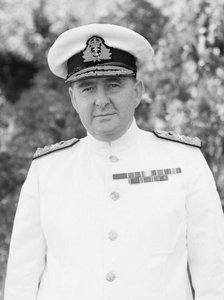
henry harwood
1888 - 1950
Quick Facts
- Artistic Movement Or Style: Portraiture
- Artists Or Movements Influenced By This Artist: ['']
- Artists Who Influenced This Artist: ['']
- Date Of Birth: 1888-01-19
- Date Of Death: 1950-06-09
- Full Name: Henry Harwood Flintoff
- Nationality: British
- Notable Artworks: ['The Battle of the River Plate']
- Place Of Birth: London, England