 Preview
 Send
Send Share
Share
 Details

 Download
 Similars
 X-Ray
X-Ray Diaporama
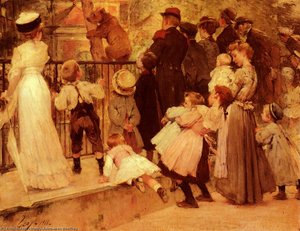
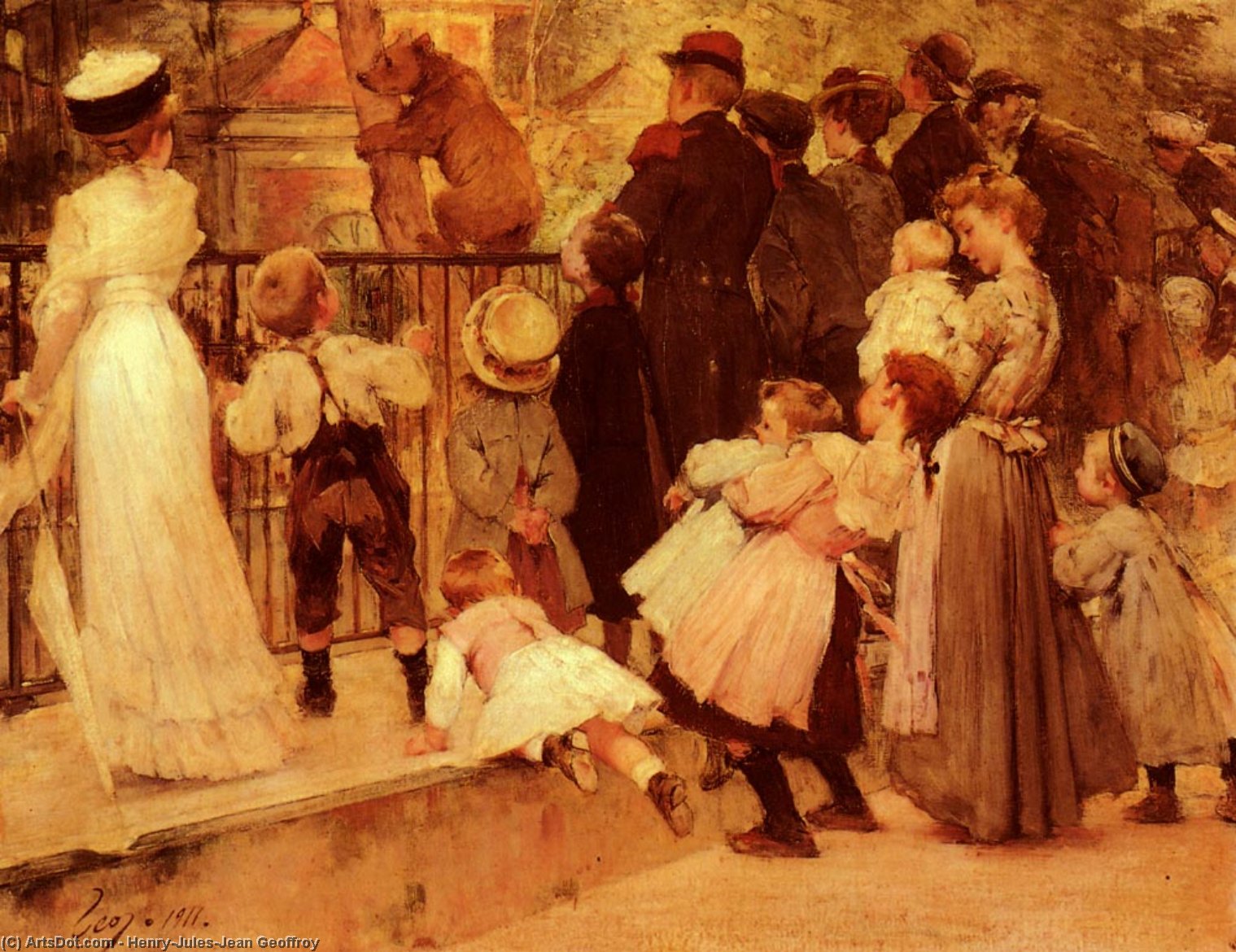
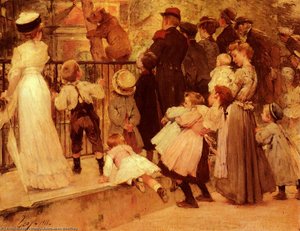
Geoffrey henry jules jean au jardin des plantes
 Read More
Giclée / Art Print
Museum-quality giclée or canvas print with fast production and flexible finish options. ( Buy Hand Made Painting Buy Image)




































Pick from our preset sizes that match the artwork's original proportions.

You may enter your own dimensions to fit a specific frame or space. If your selected size does not match the original image's proportions, we will either crop the artwork or extend the image with a mirrored or solid-fill edge. A digital mockup will be sent for your approval before production begins.
Please note that the on-screen preview does not reflect the actual cropping or extension. Only the mockup will accurately show the final composition.
While custom sizes are available, we recommend selecting a dimension from the predefined list to preserve the original proportions.
Worldwide Delivery () in 2 weeks instead of standard 4/5 weeks. (3 September)

Free Worldwide Express Shipping

High-Quality Linen Canvas

Full Shipping Insurance

Customs Tax Refund Guarantee

True Color Matching Guarantee

60-Day Return Policy (Defects Only)

100% Money-Back Guarantee

Bulk Discount Offer
 Glass option is only available in size under 110 CM

Geoffrey henry jules jean au jardin des plantes
Giclée / Art Print
Reproduction Size
-


Total Price
$ 63
Related Artworks






Artist Biography
The Dreamlike Parisian Painter: The Life and Art of Henri Geoffroy dit Geo
In the soft, hazy light of the Belle Époque, few artists captured the ephemeral essence of childhood and the quiet intimacy of Parisian life as poignantly as Henri-Jules-Jean Geoffroy. Known to the art world by the evocative pseudonym Géo, this French painter and illustrator possessed a rare ability to weave dreams into paint. His work does not merely represent reality; it invites the viewer into a nostalgic, psychological space where the boundaries between memory and presence begin to blur. While he may not have commanded the same thunderous fame as the titans of Impressionism, Géo’s mastery of atmosphere and his profound engagement with the emotional weight of everyday moments have secured his place as a captivating figure in late 19th-century French art.
Born on March 1, 1853, in Marennes, France, Geoffroy’s early years were steeped in an environment where craftsmanship and visual storytelling were part of the family fabric. His father, Jean-Baptiste, was a skilled tailor and costume designer, a profession that likely instilled in young Henri a deep respect for texture, detail, and the way fabric drapes across a form. This sensitivity to material was further enriched by his maternal lineage; his mother, Rosalie Dickinson, was the daughter of the English painter John Dickinson. This connection to the painterly tradition provided Géo with an early immersion into the nuances of color and light, fostering a lifelong fascination with the expressive potential of the canvas.
A Journey Through Symbolism and Tradition
The trajectory of Géo’s artistic development was shaped by a rigorous academic foundation tempered by a rebellious, searching spirit. After moving to Paris as a young child, he entered the prestigious École des Beaux-Arts in 1871. Under the tutelage of masters such as Léon Bonnat and Eugène Levasseur, he mastered the classical techniques of anatomy and composition. However, Géo’s heart beat to a different rhythm than the rigid academicism of his instructors. He found himself increasingly drawn toward the burgeoning Symbolist movement, an aesthetic that prioritized the internal landscape of the soul over the literal depiction of the external world.
This shift in focus was profoundly influenced by his admiration for Jean-François Millet. From Millet, Géo learned to find a sense of quiet spirituality within the mundane, observing how the dignity of labor and the simplicity of rural life could be elevated to something almost sacred. As his style matured during the late 1880s and 1890s, Géo began to move away from pure naturalism. His palette became more muted, favoring soft grays, melancholic blues, and earthy browns that contributed to a dreamlike, often hazy atmosphere. He sought to translate not just what he saw in the streets of Paris or the quiet corners of childhood, but the feeling of those moments—the fleeting sense of innocence, the weight of a secret, or the gentle sadness of a passing afternoon.
Legacy and Artistic Significance
The enduring allure of Géo’s oeuvre lies in its ability to evoke a profound sense of empathy. His genre scenes, particularly those featuring children, are celebrated for their psychological depth. Rather than presenting idealized or saccharine portraits, he captured the complex, often ambiguous emotions of youth—a mixture of curiosity, solitude, and wonder. His figures often exist within nebulous, atmospheric spaces that suggest a world caught between reality and imagination.
Throughout his life and until his death in Paris in 1924, Géo remained an artist of the interior. His contributions to the landscape of French art include:
- The mastery of atmosphere: Using light and muted tones to create a sense of temporal suspension.
- Psychological Realism: Moving beyond mere illustration to capture the nuanced emotional states of his subjects.
- Symbolist Integration: Blending classical training with the evocative, subjective imagery characteristic of the Symbolist era.
Today, the works of Henri Geoffroy dit Geo serve as a poignant window into a vanished era. He remains a vital subject for those interested in the intersection of 19th-century genre painting and the more experimental, emotive currents of Symbolism, reminding us that the most profound truths are often found in the softest shadows.
henry-jules-jean geoffroy
1853 - 1924
Quick Facts
- Artistic Movement Or Style: Symbolism
- Artists Or Movements Influenced By This Artist: ['Romanticism']
- Artists Who Influenced This Artist: ['Léon Bonnat']
- Date Of Birth: 1853
- Full Name: Henri Jules Jean Geoffroy
- Nationality: French
- Notable Artworks:
- Parisian Dreams
- Children's Play
- Place Of Birth: Marennes, France