 Preview
 Send
Send Share
Share
 Details

 Download
 Similars
 X-Ray
X-Ray Diaporama
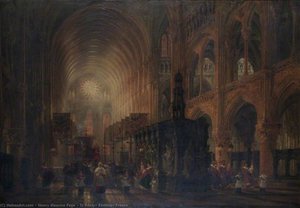
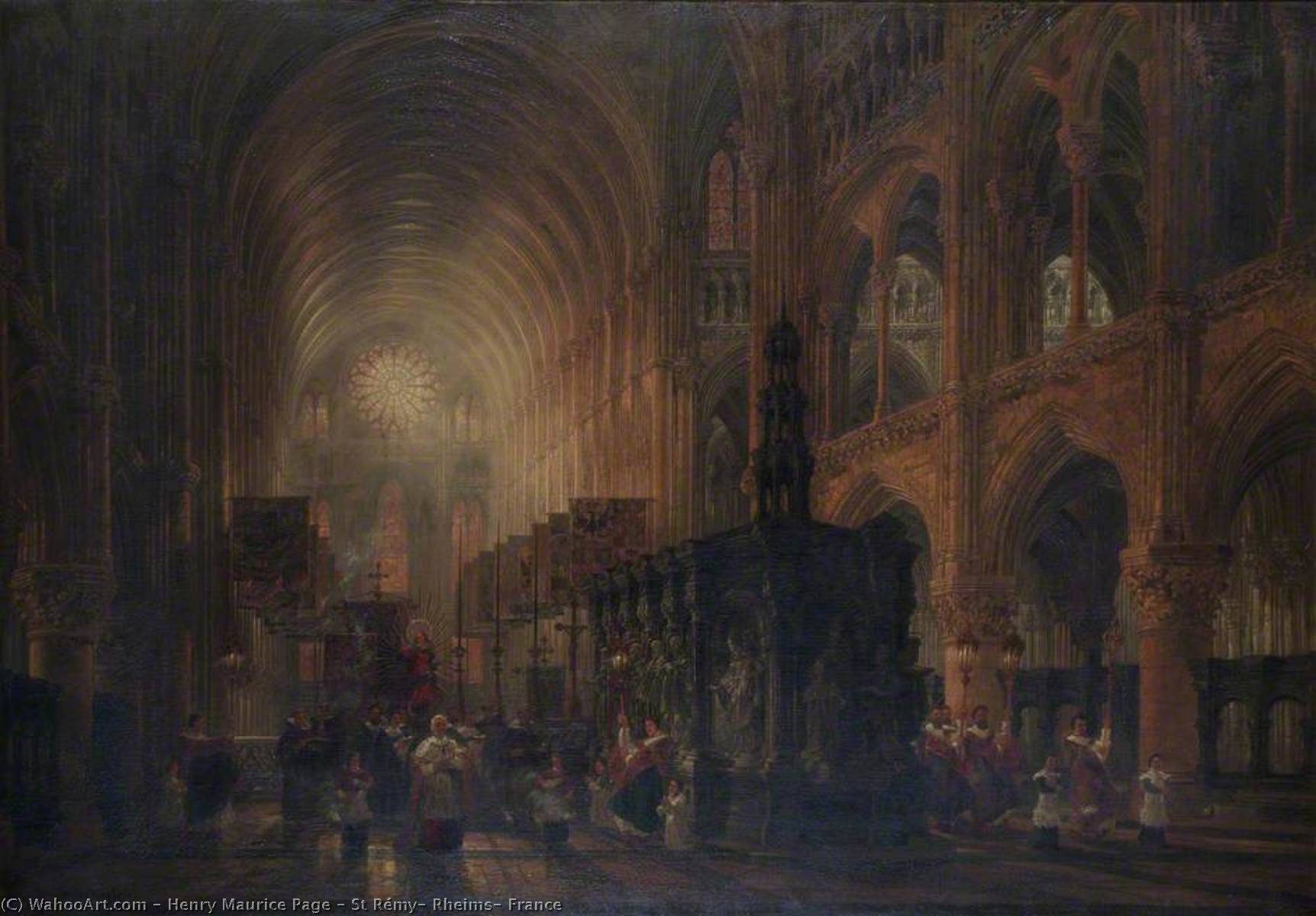
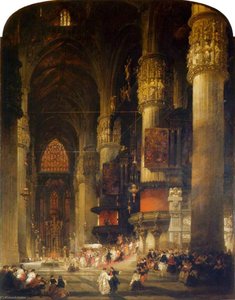
St Rémy, Rheims, France
 1890
1890 109.0 x 152.0 cm
 Read More
Hand Made Oil Reproduction
Hand-painted oil on canvas in your size and frame, made to order by our artists. ( Buy Print Buy Image)




































Pick from our preset sizes that match the artwork's original proportions.

You may enter your own dimensions to fit a specific frame or space. If your selected size does not match the original image's proportions, we will either crop the artwork or extend the painting with additional hand-painted elements. A digital mockup will be sent for your approval before production begins.
Please note that the on-screen preview does not reflect the actual cropping or extension. Only the mockup will accurately show the final composition.
While custom sizes are available, we recommend selecting a dimension from the predefined list to preserve the original proportions.
After order, ArtsDot.com team will email client for instructions and provide a mockup preview
Worldwide Delivery () in 3/4 weeks instead of standard 5 weeks. (26 August). No compromise on quality.

Free Worldwide Express Shipping

High-Quality Linen Canvas

Full Shipping Insurance

Customs Tax Refund Guarantee

True Color Matching Guarantee

60-Day Return Policy (Defects Only)

100% Money-Back Guarantee

Bulk Discount Offer
 Glass option is only available in size under 110 CM

St Rémy, Rheims, France
Reproduction Medium
Reproduction Size
-


Total Price
$ 263
Artwork Description
Artistic Style and Influences
Henry Maurice Page's work is characterized by his attention to detail and ability to capture the essence of a scene. In "St Rémy, Rheims, France", he masterfully depicts a large cathedral with a group of people gathered inside. The stained glass windows, a feature that Roger Bissière was known for designing, allow natural light to illuminate the space, creating a sense of warmth and tranquility. Key Features of the painting include:- The high vaulted ceiling and intricate architectural details of the cathedral
- The group of people gathered inside, each with their own unique expression and pose
- The use of light and color to create a sense of depth and atmosphere
Similar Works and Artists
Other notable paintings that share similarities with "St Rémy, Rheims, France" include "Abbaye aux hommes, Caen, France" by Wyke Bayliss and "Interior Of The Chapter House" by Frederick Mackenzie. These works can be found on ArtsDot.com, which offers handmade oil painting reproductions of famous artworks.For those interested in learning more about the artist and his style, Roger Bissière's biography on ArtsDot.com provides valuable insights into his life and work. Additionally, the Musée Réattu in Arles, France, is a museum that showcases an impressive collection of artworks, including those by French painters.
Related Artworks








Artist Biography
Henry Maurice Page: A Weaver of Light and Shadow in the British Impressionist Landscape
Henry Maurice Page (1907-1984) emerges from the rich tapestry of late 19th and early 20th-century British art as a quietly significant figure, a master of capturing the serene beauty of England’s rural landscapes and the intimate moments of human experience within them. While not commanding the same immediate recognition as some of his contemporaries – Whistler, Turner, or Monet – Page possessed a distinct artistic voice, characterized by a delicate handling of light, a subtle palette, and an ability to imbue even the most commonplace scenes with a profound sense of atmosphere and emotion. His work reflects both the influence of Impressionism and a distinctly British sensibility, rooted in observations of the natural world and the lives lived within it.
Born in ArtsDot, Page’s artistic journey began during a period of considerable change in Britain. The late Victorian era was giving way to a new century grappling with industrialization, social upheaval, and evolving aesthetic ideals. This context undoubtedly shaped his perspective – a desire to preserve the beauty of the countryside amidst encroaching modernity. Early influences included the luminist painters of France, particularly Monet and Pissarro, whose techniques of capturing fleeting light and atmosphere resonated deeply with Page’s own artistic aspirations. However, he quickly developed a unique style, informed by his native environment and a keen eye for detail.
The Language of Light and Color
Page's paintings are most immediately striking for their masterful manipulation of light and color. He rarely employed bold, vibrant hues, instead favoring a restrained palette of muted greens, blues, browns, and greys – colors that perfectly mirrored the subtle shifts in tone found within the English countryside. His technique involved layering thin washes of paint to create an almost translucent effect, allowing light to penetrate through the layers and illuminate the scene with remarkable subtlety. This approach wasn’t merely decorative; it was a deliberate attempt to capture the ephemeral quality of light and atmosphere – the way sunlight filters through trees, the hazy glow of dawn or dusk, the shimmering reflections on water.
He frequently worked en plein air (outdoors), directly observing and responding to the changing conditions of nature. This commitment to direct observation is evident in the immediacy and freshness of his paintings. His brushstrokes are often loose and expressive, conveying a sense of movement and spontaneity. He was particularly adept at depicting the effects of weather – rain-soaked fields, misty mornings, and dramatic sunsets – capturing the raw beauty and power of the elements.
Subjects and Themes
Page’s subject matter primarily revolved around the landscapes of England and Brittany—a region in France that held a particular fascination for him. He painted idyllic scenes of rolling hills, quaint villages, and picturesque waterways, often featuring figures engaged in rural activities – farmers tending their fields, children playing by the riverbank, or fishermen casting their nets. These scenes were not simply depictions of the physical environment; they were imbued with a sense of nostalgia and longing for a simpler time.
Beyond landscapes, Page also produced a significant body of work depicting nudes – often set within natural settings. These paintings are notable for their elegance and restraint, avoiding overt sensuality in favor of capturing the beauty of the human form in harmony with its surroundings. His figures are frequently bathed in soft light, evoking a sense of tranquility and contemplation.
Legacy and Influence
While Page’s name may not be as widely recognized as some of his contemporaries, his work continues to be appreciated for its quiet beauty and understated elegance. He was part of the British Impressionist movement, sharing common goals with other artists of the time but developing a distinct style that reflected his unique perspective. His paintings offer a poignant glimpse into the changing landscape of Britain during a period of profound transformation – a testament to the enduring power of nature and the human spirit.
Today, Page’s work can be found in private collections and museums across England and France, offering viewers a chance to experience the serene beauty of his landscapes and the quiet grace of his figures. His legacy lies not in grand gestures or dramatic displays, but in the subtle power of light, color, and observation – qualities that continue to resonate with audiences today.
henry maurice page
1907 - 1984
Quick Facts
- Artistic Movement Or Style: Impressionism
- Artists Or Movements Influenced By This Artist: ['None specified']
- Artists Who Influenced This Artist: ['None specified']
- Date Of Birth: 1907
- Date Of Death: 1984
- Full Name: Henry Maurice Page
- Nationality: British
- Notable Artworks:
- Serene scenes of England
- Brittany Landscapes
- Nude Art England
- Place Of Birth: WahooArt, England