 Preview
 Send
Send Share
Share
 Details

 Download
 Similars
 X-Ray
X-Ray Diaporama
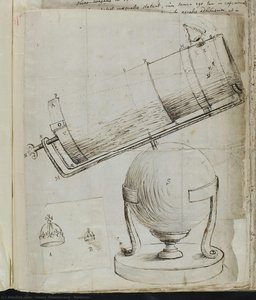
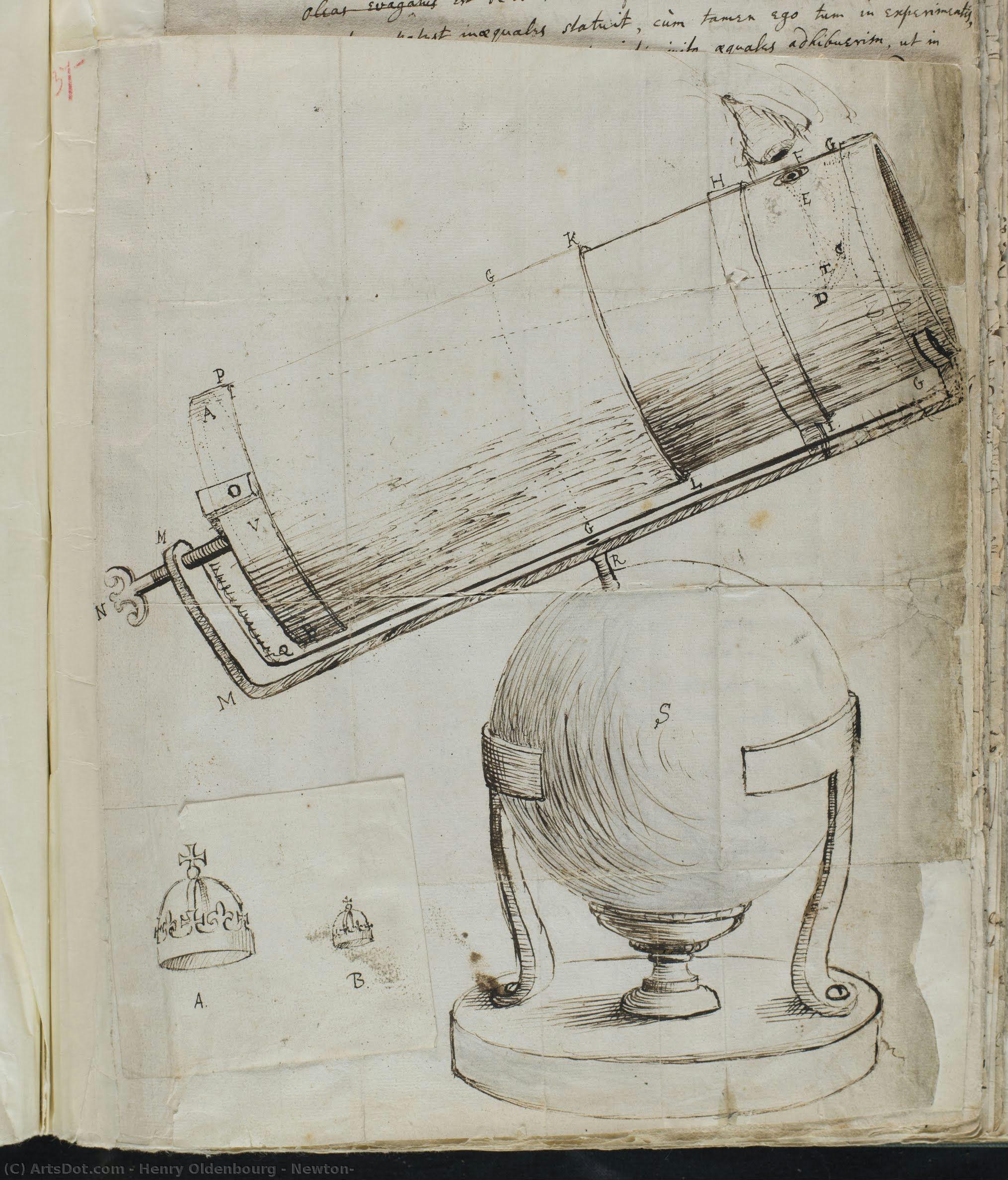
Newton


 Read More
Hand Made Oil Reproduction
Hand-painted oil on canvas in your size and frame, made to order by our artists. ( Buy Print Buy Image)




































Pick from our preset sizes that match the artwork's original proportions.

You may enter your own dimensions to fit a specific frame or space. If your selected size does not match the original image's proportions, we will either crop the artwork or extend the painting with additional hand-painted elements. A digital mockup will be sent for your approval before production begins.
Please note that the on-screen preview does not reflect the actual cropping or extension. Only the mockup will accurately show the final composition.
While custom sizes are available, we recommend selecting a dimension from the predefined list to preserve the original proportions.
After order, ArtsDot.com team will email client for instructions and provide a mockup preview
Worldwide Delivery () in 3/4 weeks instead of standard 5 weeks. (24 August). No compromise on quality.

Free Worldwide Express Shipping

High-Quality Linen Canvas

Full Shipping Insurance

Customs Tax Refund Guarantee

True Color Matching Guarantee

60-Day Return Policy (Defects Only)

100% Money-Back Guarantee

Bulk Discount Offer
 Glass option is only available in size under 110 CM

Newton
Reproduction Medium
Reproduction Size
-


Total Price
$ 263
Artwork Description
Related Artworks






Artist Biography
Henry Oldenburg: Pioneer of Scientific Discourse and Patron of Artistic Innovation
Henry Oldenburg (c. 1618 as Heinrich Oldenburg – 5 September 1677) stands as a pivotal figure in the intersection of science and art during the Enlightenment era, recognized primarily for his role as the inaugural Secretary of the Royal Society in London—a position that fundamentally reshaped the landscape of scientific communication and fostered collaborations between thinkers and artists alike. While often overshadowed by luminaries like Isaac Newton and Robert Boyle, Oldenburg’s meticulous dedication to fostering intellectual exchange and cultivating a supportive environment for artistic endeavors cemented his legacy as an indispensable architect of European cultural advancement.
Born in Bremen, Germany, Oldenburg's early life was marked by rigorous academic training—a cornerstone of his future pursuits. Educated in theology at the Gymnasium Illustre, he honed skills in Latin and Greek, languages crucial for navigating the intellectual currents of his time. His formative years instilled a profound appreciation for humanist scholarship and established him as an astute observer of societal trends. Notably, he cultivated relationships with influential figures like Robert Boyle—a chemist and philosopher who championed experimental methodology—and John Milton—the poet laureate whose literary prowess mirrored Oldenburg’s own commitment to intellectual rigor.
Oldenburg's diplomatic career spanned decades, serving as envoy for Bremen to various European courts. This experience honed his analytical abilities and broadened his understanding of international relations, equipping him with the perspective necessary to champion scientific progress amidst political complexities. He skillfully navigated the turbulent waters of the Anglo-Dutch Wars, securing vital support for England’s defense—a testament to his diplomatic acumen and unwavering dedication to national interests.
However, Oldenburg's most enduring contribution lies in his role as the founding Secretary of the Royal Society. Recognizing the limitations of disseminating scientific knowledge through traditional channels, he initiated a groundbreaking correspondence network—connecting scientists across Europe—that effectively established peer review as a cornerstone of scholarly advancement. This innovative approach dramatically accelerated the pace of scientific discovery and fostered collaborative endeavors that would have otherwise remained isolated. Oldenburg’s vision extended beyond mere communication; he actively championed artistic patronage, recognizing the symbiotic relationship between science and aesthetics.
His influence on art history is particularly noteworthy. He recognized the importance of fostering connections between artists and thinkers—a conviction reflected in his encouragement of collaborations between painters like Rembrandt and Rubens and scientists such as Boyle and Mersenne. Oldenburg’s astute understanding of cultural dynamics propelled artistic innovation, demonstrating that intellectual curiosity could inspire creative expression. The enduring legacy of Henry Oldenburg resides not only in his pioneering role in scientific discourse but also in his profound appreciation for the transformative power of artistic engagement—a testament to his multifaceted intellect and unwavering commitment to shaping the intellectual and cultural landscape of 17th-century Europe.
- Notable Achievements: Founding Secretary of the Royal Society, Establishing Scientific Peer Review
- Influences: Robert Boyle, Marin Mersenne, Fabri de Peiresc
- Early Life & Education: Gymnasium Illustre Bremen, Theology Degree
- Diplomatic Career: Envoy to Various European Courts during Anglo-Dutch Wars
- Artistic Patronage: Encouraging Collaborations Between Artists and Scientists
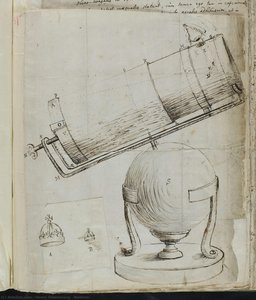
henry oldenbourg
1677 , Germany
Quick Facts
- Artistic Movement Or Style: Scientific Peer Review
- Artists Or Movements Influenced By This Artist: ['Henri Matisse']
- Artists Who Influenced This Artist:
- Fabri de Peiresc
- Marin Mersenne
- Ismaël Boulliau
- Date Of Death: 1677
- Full Name: Henry Oldenburg
- Nationality: German
- Notable Artworks: ['Newton']
- Place Of Birth: Bremen, Germany