 Preview
 Send
Send Share
Share
 Details

 Download
 Similars
 X-Ray
X-Ray Diaporama
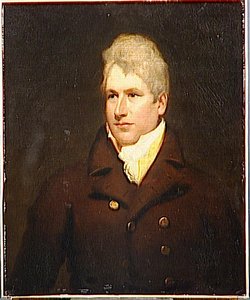
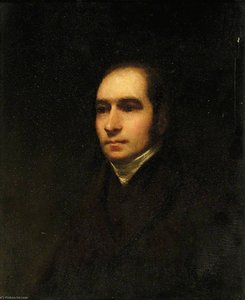
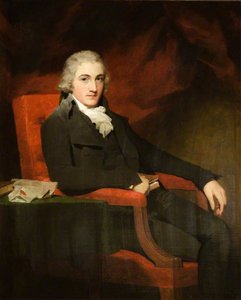
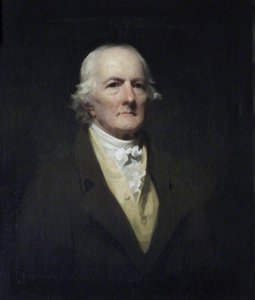
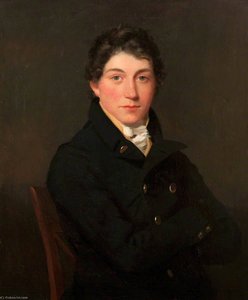
PORTRAIT D'HOMME


 Read More
Giclée / Art Print
Museum-quality giclée or canvas print with fast production and flexible finish options. ( Buy Hand Made Painting Buy Image)




P118B $10

P118H $10

P118W $10

P438Z $10

P508JH $12

P508YH $12

P805H $10

P805Z $10

P919BZ $10

P919G $10

P919XJ $10

P959ZH $10

P968JZ $12

W106C $8

W218G $10

W218JH $8

W218Y $10

W307PJ $10

W316G $10

W316PJ $8

W316Y $10

W398PJ $8

W4111J $10

W500HY $15

W500JH $15

W692G $12

W849H $8

W940BG $15

W953PJ $8




Pick from our preset sizes that match the artwork's original proportions.

You may enter your own dimensions to fit a specific frame or space. If your selected size does not match the original image's proportions, we will either crop the artwork or extend the image with a mirrored or solid-fill edge. A digital mockup will be sent for your approval before production begins.
Please note that the on-screen preview does not reflect the actual cropping or extension. Only the mockup will accurately show the final composition.
While custom sizes are available, we recommend selecting a dimension from the predefined list to preserve the original proportions.
Worldwide Delivery () in 2 weeks instead of standard 4/5 weeks. (17 August)

Free Worldwide Express Shipping

High-Quality Linen Canvas

Full Shipping Insurance

Customs Tax Refund Guarantee

True Color Matching Guarantee

60-Day Return Policy (Defects Only)

100% Money-Back Guarantee

Bulk Discount Offer
 Glass option is only available in size under 110 CM

PORTRAIT D'HOMME
Giclée / Art Print
Reproduction Size
-


Total Price
$ 63
Collectible Description
A Study in Dignity: The Timeless Allure of Portrait d'Homme
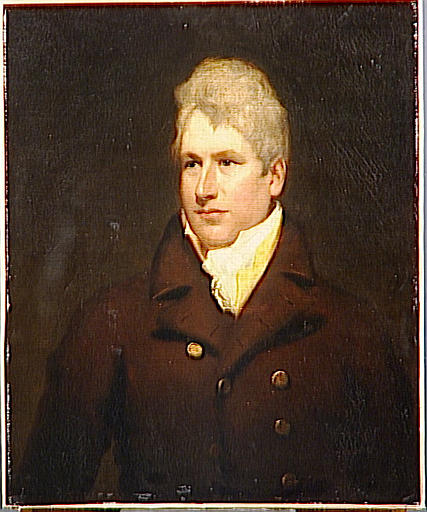
In the quiet, commanding presence of Henry Raeburn Dobson’s Portrait d'Homme, one encounters more than just a mere likeness; one meets a soul captured in a moment of profound stillness. This masterful oil on canvas serves as a window into an era defined by formal elegance and a stoic sense of duty. The subject, rendered with a direct and unwavering gaze, commands the viewer's attention, inviting a silent dialogue that transcends the centuries. Through Dobson’s skilled hand, the portrait becomes an exploration of character, where the subtle interplay of light and shadow breathes life into the features of a man who seems to emerge from the very depths of history.
The composition is a masterclass in focused minimalism. By eschewing a distracting background, Dobson ensures that every ounce of emotional weight is concentrated upon the sitter. The palette is a sophisticated arrangement of somber, earthy tones—deep blacks, rich browns, and midnight blues—which provide a dramatic stage for the luminous highlights of the face and collar. This deliberate use of color creates a sense of gravity and importance, making the piece an ideal centerpiece for a curated collection or a refined interior space where understated luxury is desired.
Technique and the Art of Neoclassical Realism
To observe Portrait d'Homme is to appreciate the meticulous layering of oil paint that characterizes Dobson’s technical prowess. The artist employs a technique that balances the precision of Neoclassicism with the burgeoning emotional warmth of the Romantic movement. There is a palpable texture to the work; while the skin of the subject possesses a smooth, porcelain-like finish achieved through delicate glazing, the fabric of his jacket reveals a more rugged, tactile quality. This contrast in textures adds a three-dimensional depth to the bust-length figure, making the subject feel physically present within the frame.
The lighting is soft and diffused, reminiscent of the gentle glow found in classical portraiture, avoiding harsh shadows in favor of subtle tonal transitions. These gradations define the contours of the face and the structure of the clothing, creating a sense of volume and weight. For the discerning collector or interior designer, this mastery of light offers a versatile aesthetic appeal, as the painting’s mood can shift beautifully depending on the ambient lighting of a room, moving from a quiet, scholarly presence in daylight to a dramatic, commanding force under evening illumination.
A Legacy of Scottish Artistry
The emotional resonance of this piece is deeply rooted in the artistic lineage of Henry Raeburn Dobson. Born into a family of Scottish painters and merchants, Dobson carried the weight of tradition in every brushstroke. His training under masters such as Thomas Faed and David Wilkie infused his work with a commitment to realism and an ability to capture the essence of his subjects. In Portrait d'Homme, we see the culmination of this heritage—a portrait that does not merely document a face, but captures a sense of dignity, status, and the enduring human spirit.
Whether viewed as a historical artifact or a contemporary decorative masterpiece, this work offers an unparalleled opportunity to possess a fragment of art history. It is a piece designed for those who appreciate the nuances of fine art—the way a single button catches the light, or how a direct gaze can evoke a sense of shared humanity. As a high-quality reproduction, it brings the prestige and contemplative atmosphere of a museum gallery into the private home, providing an anchor of sophistication and timeless beauty.
Related Artworks
Artist Biography
A Legacy of Lineage: The Early Life of Henry Raeburn Dobson
The story of Henry Raeburn Dobson is one deeply intertwined with the very fabric of Scottish artistic heritage. Born in 1901, Dobson did not merely enter the world of art; he was born into a lineage that breathed it. His roots can be traced back to the storied town of Kirkcudbright, a place steeped in the traditions of itinerant painters and industrious wool merchants. This familial connection provided a foundation of creative DNA, though it was often shadowed by the complexities of economic struggle. His father, Henry John Dobson, had famously abandoned the family’s mercantile pursuits to chase the ephemeral dream of artistic mastery, a decision that left a profound, if bittersweet, imprint on the young Dobson’s development.
Growing up amidst the tension between financial hardship and creative passion, Dobson learned early on that art was both a calling and a challenge. The shadows of his father's struggles served as a silent motivator, driving him to refine a craft that could bridge the gap between the modest circumstances of his birth and the prestigious circles of the Edinburgh art scene. This period of his life was characterized by a quiet determination to honor his ancestors while forging a distinct identity within the rigorous traditions of Scottish painting.
Mastery of Form: Influences and Artistic Development
Dobson’s technical evolution was shaped by the mentorship of some of Scotland's most formidable painters. Under the watchful eyes of masters such as Thomas Faed, Henry Wright Kerr, and David Wilkie, he absorbed a diverse palette of stylistic sensibilities. From Faed, he inherited a devotion to meticulous realism, learning how to capture the minute textures of skin, fabric, and light. From Kerr, he drew inspiration for his expressive approach to landscapes, discovering how to imbue nature with emotional resonance. The influence of Wilkie is perhaps most evident in Dobson's ability to weave narrative wit into his compositions, a skill that allowed him to transcend mere representation.
As his style matured, Dobson became a master of the genre tradition, blending the observational precision of his teachers with a personal vision that felt uniquely contemporary to his era. His work began to reflect a deep appreciation for the dignity of Scottish life. Whether through the heavy, textured strokes of his oil portraits or the ethereal, translucent washes of his watercolors, Dobson sought to capture the soul of his subjects. His landscapes, predominantly executed in watercolor, stand as serene meditations on the natural beauty of Scotland, characterized by delicate brushwork and subtle tonal gradations that evoke a sense of profound tranquility.
The Portraitist’s Vision: Achievements and Lasting Significance
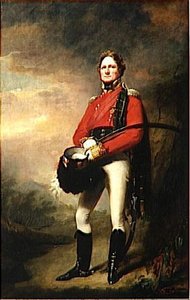
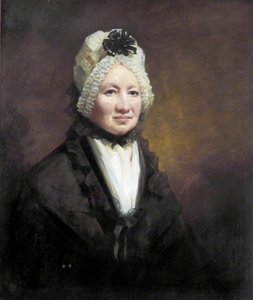
Throughout his career, Dobson achieved significant acclaim, becoming a sought-after figure for commissions from wealthy patrons who valued his ability to convey both status and character. His oeuvre is perhaps most celebrated for its masterful oil portraits, which serve as windows into the lives of the era's prominent individuals. In works such as Sir John Hay and Mrs Liddell, one observes a breathtaking command of light; he utilized a soft, diffused glow reminiscent of neoclassical painting to bathe his subjects in an aura of grace and permanence. Even in more intimate settings, such as his depiction of Boy and Rabbit, Dobson demonstrated an uncanny ability to capture tender, fleeting moments with lasting emotional weight.
The historical significance of Henry Raeburn Dobson lies in his role as a bridge between the classical traditions of the past and the evolving sensibilities of the twentieth century. He did not seek to rebel against the masters who preceded him, but rather to refine and carry their legacy forward into a new age. His ability to resonate with audiences across both Britain and America solidified his reputation as an artist of international reach. Today, his work remains a vital testament to the enduring power of Scottish portraiture and landscape painting, reminding us of a time when the brush was used to capture not just the likeness of a person, but the very essence of their spirit.
Henry Raeburn Dobson
1901 - 1985
Quick Facts
- Artistic Movement Or Style: Neoclassical
- Artists Who Influenced This Artist:
- Thomas Faed
- Henry Wright Kerr
- David Wilkie
- Date Of Birth: 1901
- Date Of Death: 1985
- Full Name: Henry Raeburn Dobson
- Nationality: Scottish
- Notable Artworks:
- Sir John Hay
- Mrs Liddell
- Boy and Rabbit
- Place Of Birth: Edinburgh, Scotland
Related Articles
Henry Raeburn Dobson: A Scottish Colourist Bridging Tradition & Modernity
Explore the life & work of Henry Raeburn Dobson, a key figure bridging Scottish tradition & modern art. Discover his neoclassical portraits, landscapes, and connection to the Colourists. Learn about collecting his works.
Henri Matisse's Masterpieces: Explore 25 Iconic Paintings & Art Decor Ideas
Journey through Henri Matisse's 25 most iconic paintings! Explore Fauvism, vibrant colors & the stories behind masterpieces like 'The Dance'. Find museum-quality art reproductions and curated decor ideas to elevate your space. Discover all masterpieces on ArtsDot.com.
Henry Raeburn: A Scottish Portraitist's Mastery of Light, Character & National Identity
Explore the life & work of Henry Raeburn, a master Scottish portraitist. Discover his innovative techniques, captivating portraits of the Enlightenment era, and lasting legacy in art history. Learn more at ArtsDot.
Sir John Watson Gordon: A Study in Scottish Landscape Painting & Tonal Impressionism
Explore the captivating portraits of Sir John Watson Gordon, a leading Scottish master. Discover his evolution from neoclassical style to atmospheric Tonalism and influence on 19th-century British art. Learn about his iconic sitters & legacy.

The Enduring Legacy of Oil on Canvas: Technique, History & Aesthetic Impact
Explore the rich history & techniques of oil painting – from Renaissance masters to Impressionism. Discover pigments, layering methods, and why this timeless medium endures. Expert insights for artists & art enthusiasts.