

 Preview
 Send
Send Share
Share
 Details

 Download
 Similars
 X-Ray
X-Ray Diaporama
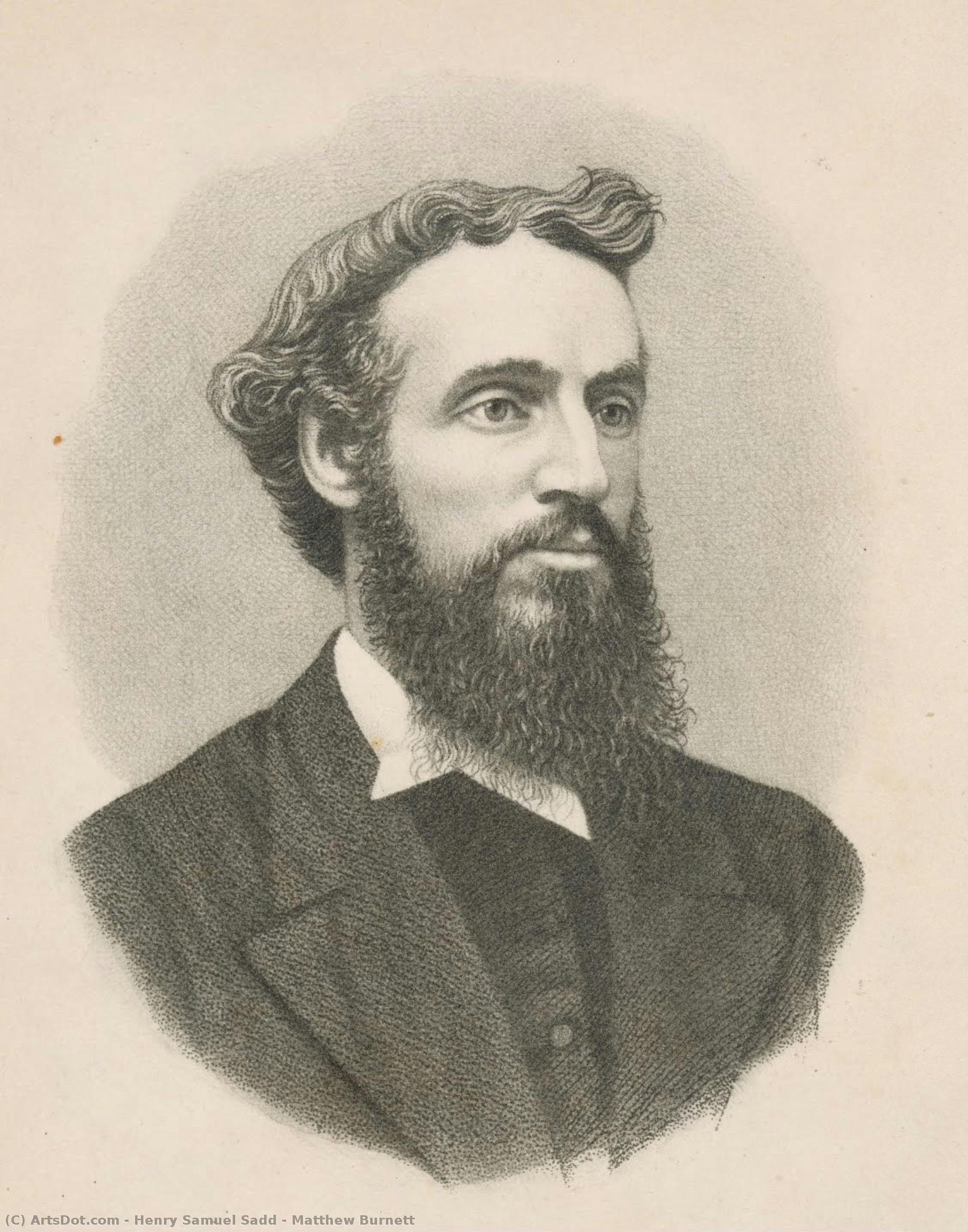
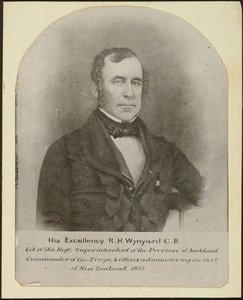
Matthew Burnett
 1865
1865 10.0 x 6.0 cm
 National Portrait Gallery
 Read More
Purchase a high-resolution, enhanced digital image, far superior to the online preview.
Each file is meticulously prepared by our in-house specialists using advanced tools and expert manual retouching. We ensure every image has exceptional clarity, precise color accuracy, and fine detail.
The final file is delivered via email within 72 hours, optimized for immediate use in professional, editorial, and print environments. This is the same quality trusted by top-tier design studios, publishers, and galleries.
Digital Image
Download a high-resolution file for personal display, printing, and creative projects. ( Buy Print Buy Hand Made Painting)
Included in Every Digital Image Order
Expert Digital Delivery, Guaranteed
When you choose ArtsDot.com, you're not just getting an image - you're receiving a professionally enhanced digital artwork, crafted with precision and backed by a satisfaction guarantee. Here's everything that comes with your order, automatically:

Fast Email Delivery
Your high-resolution digital image file will be emailed to you within 72 hours of ordering - ready for immediate use.

AI-Enhanced Digital File
Your artwork is professionally optimized using advanced AI tools and manual editing, ensuring maximum detail, clarity, and color accuracy.

Free Lifetime Re-Delivery
Accidentally deleted or lost your file? No worries - we'll resend it to you anytime, free of charge.

No Import Fees - Ever
Enjoy your artwork instantly with zero customs, duties, or delivery fees - digital downloads are always tax-free.

Color Accuracy Guarantee
We ensure your digital image reflects the original colors as closely as possible using professional tools and color management.

60-Day Satisfaction Guarantee
If you're not satisfied with your digital image, we'll revise it or refund 100% within 60 days - no questions asked.

100% Money-Back Guarantee
Not satisfied? Get a full refund within 60 days of receiving your digital file - no questions asked.

Bulk Order Discounts
Buy 3 images, save 10% - Buy 5, save 15% - Buy 10+, save 20%. Great for creative projects, galleries, and agencies.
Collectible Description
Related Artworks
Artist Biography
Constant Troyon: Bridging Porcelain and Pastoral
August 28, 1810, marked the birth of Constant Troyon in Sèvres, a town intrinsically linked to the exquisite world of porcelain. His early life was far removed from the delicate artistry of the Royal Manufactory, however; he began his career as a decorator for those very same workshops, meticulously applying intricate designs to countless pieces. This demanding apprenticeship instilled within him an unparalleled attention to detail and a profound understanding of surface texture – skills that would later prove surprisingly vital in his transition to landscape painting. For decades, Troyon’s artistic journey was defined by this initial training; he traveled extensively, capturing the fleeting beauty of rural scenes with a dedication bordering on obsession. Yet, it wasn't until his late twenties that he began to truly forge his own distinctive style, influenced profoundly by the burgeoning Barbizon school and its emphasis on direct observation and the celebration of nature’s raw power.
- Early Influences: The meticulous craftsmanship of porcelain decoration undoubtedly shaped Troyon's eye for detail.
- Travel and Observation: His wanderings across France provided a rich source of inspiration, documenting diverse landscapes with increasing confidence.
- The Barbizon School: The movement’s core tenets – plein air painting, rejection of academic conventions, and focus on the natural world – profoundly impacted his artistic direction.
A Shift to Animals: Mastering the Essence of Nature
While Troyon initially established himself as a landscape painter, it was his encounter with Paulus Potter’s “Young Bull” in The Hague that irrevocably altered the course of his career. This monumental work, a testament to the power and dignity of livestock, ignited within him a deep fascination with animals – not merely as subjects for representation, but as embodiments of nature's fundamental forces. He spent years meticulously studying cattle, horses, and other farm animals, observing their movements, postures, and interactions with an almost scientific rigor. This dedication culminated in a series of paintings that transcended mere depiction; they captured the very *essence* of animal life – its strength, vulnerability, and inherent beauty.
- The Influence of Potter: Potter’s masterful portrayal of livestock served as a crucial catalyst for Troyon's artistic evolution.
- Years of Observation: He devoted considerable time to studying animals in their natural habitats, developing an intimate understanding of their behavior and anatomy.
- Beyond Representation: Troyon sought to convey the spirit and vitality of his subjects, moving beyond simple imitation towards a deeper engagement with nature’s power.
The Barbizon Style and Artistic Development
Troyon's artistic development is inextricably linked to the Barbizon school, though he never fully embraced its rigid doctrines. He shared with other Barbizon painters a commitment to painting *en plein air* – directly from nature – and a rejection of the artificiality often associated with academic art. However, Troyon’s approach was characterized by a unique sensitivity to light and color, coupled with an extraordinary ability to render texture and form. His paintings are notable for their atmospheric depth, achieved through subtle gradations of tone and carefully observed details. He skillfully blended elements of the Barbizon style with his own distinctive vision, creating works that are both grounded in observation and imbued with a profound sense of emotion.
- Plein Air Painting: Like other Barbizon artists, Troyon prioritized direct observation of nature.
- Atmospheric Depth: His paintings are distinguished by their evocative use of light, shadow, and color to create a sense of depth and atmosphere.
- A Unique Vision: While influenced by the Barbizon school, Troyon developed a distinctive style characterized by sensitivity and emotional resonance.
Legacy and Recognition
Constant Troyon’s career spanned several decades, culminating in widespread recognition as one of the most accomplished animal painters of his time. His works gained considerable acclaim in Britain and America, where they were celebrated for their realism, beauty, and emotional depth. Despite a period of relative obscurity following the decline of the Barbizon school, Troyon’s paintings have since been re-evaluated and appreciated for their artistic merit and historical significance. Today, his canvases are housed in prestigious collections worldwide, offering a glimpse into the life and vision of an artist who bridged the worlds of porcelain decoration and pastoral landscapes – a testament to the enduring power of observation and the profound beauty of the natural world.
- International Recognition: Troyon’s paintings achieved significant acclaim in Britain and America.
- A Lasting Legacy: His works continue to be appreciated for their realism, beauty, and emotional depth.
- Preservation of Works: His paintings are now housed in prominent collections around the globe.
henry samuel sadd
1810 - 1893 , United Kingdom
Quick Facts
- Artistic Movement Or Style: Barbizon School
- Artists Or Movements Influenced By This Artist:
- Camille Roqueplan
- Jules Dupré
- Artists Who Influenced This Artist:
- Paulus Potter
- Aelbert Cuyp
- Rembrandt
- Date Of Birth: August 28, 1810
- Date Of Death: February 21, 1865
- Full Name: Constant Troyon
- Nationality: French
- Notable Artworks:
- Young Bull
- The Raft of the Medusa
- Place Of Birth: Sèvres, France

